Uncategorized
Meet the Researcher: Fred Ramsdell, Nobel winner



Fred Ramsdell is Founder and Advisor, Sonoma Biotherapeutics and one of three co-winners of the 2025 Nobel Prize in Physiology or Medicine for the discovery of regulatory T cells (Tregs). He shares his career highlights with Diana Turner.
DT: Can you tell us what you’re working on at the moment or your most recent area of research?
FR: As you probably know, I attempted to semi-retire about 18 months ago. That has been sorely tested in the past few months. However, throughout, I have maintained a close relationship with both the Parker Institute for Cancer Immunotherapy where I was the first CSO as well with Sonoma Bio, a company I helped found to utilise Treg cells to treat autoimmunity. The focus of the past several years has been to identify the best approaches to generate highly active Treg cells from patients in an effort to treat diseases, with the initial focus being rheumatoid arthritis.
DT: What’s been the highlight of your career so far?
FR: Well, the Nobel Prize is a pretty obvious answer to that. And, coupled with the Crafoord Prize in 2017, I’m incredibly grateful for the recognition that the field has received. We knew this was important when we did it – but to have the broader community recognise the value of the discovery is extremely satisfying. I would say, however, that one of the most impactful consequences of winning the Nobel is the response of my friends and colleagues who have been so thrilled for me and for the science.
DT: What drug discovery breakthrough has been most impactful to your research?
FR: There have been so many advances in the past 25 years – the ability to sequence DNA (and RNA) at the scale we now can, including at the single cell level, has opened up new ways to answer fundamental questions. I would say however, that our ability to manipulate the genome in a very targeted way using technologies like CRISPR has really helped open the potential for both genetic and cellular therapies to become a mainstay of treating disease over the next 20 years.
DT: What impact do you see your discovery of Tregs having in the next five to 10 years?
FR: I believe that as we understand the most appropriate context for applying these cells, we’ll see them used in multiple autoimmune and inflammatory settings – well beyond the areas being developed today. I’m confident the cells will impact autoimmune diseases, but also other diseases such as ALS or in acute settings like ARDS. And I think in the five to 10 year time frame, we’ll be doing in vivo gene manipulation such that how we think of cell therapy will be evolving beyond the ex vivo approach we use today. I don’t know that it will be routine in 10 years, but I do think the technology will be well on its way to success and this will allow cellular therapy to become a more practical, cost-effective and routine drug platform.
DT: What has been the best piece of career-related advice you have received?
FR: I can’t identify a single piece of advice or person, but I’ve had a lot of colleagues and friends from which I’ve learned enormously. Being curious is a given, but being stubborn is also important at times. Listen to others’ experience and look at the data, but sometimes you need to make your own conclusions and stick to them.
DT: What advice would you offer to someone hoping to follow in your footsteps?
FR: Surround yourself with colleagues that are smarter than you are. At least smarter at some things. I’ve always worked with people that were very good at what they did, and it’s always productive and fun to be around such people. And when you’re in these settings, pay attention. Be in the moment.
DT: If you could make everyone read one book, article or academic paper, what would it be and why?
FR: There isn’t any single scientific piece that I’d suggest. Just read as much as you can and see what’s exciting and makes you think – if you’re engaged, you’ll be better at whatever you decide to pursue. Most of my reading is fiction, and there are so many choices – and I guess I’d say 100 Years of Solitude by Gabriel Garcia Marquez.
From DDW Volume 27 – Issue 2, Spring 2026 – Read the digital issue here
The post Meet the Researcher: Fred Ramsdell, Nobel winner appeared first on Drug Discovery World (DDW).

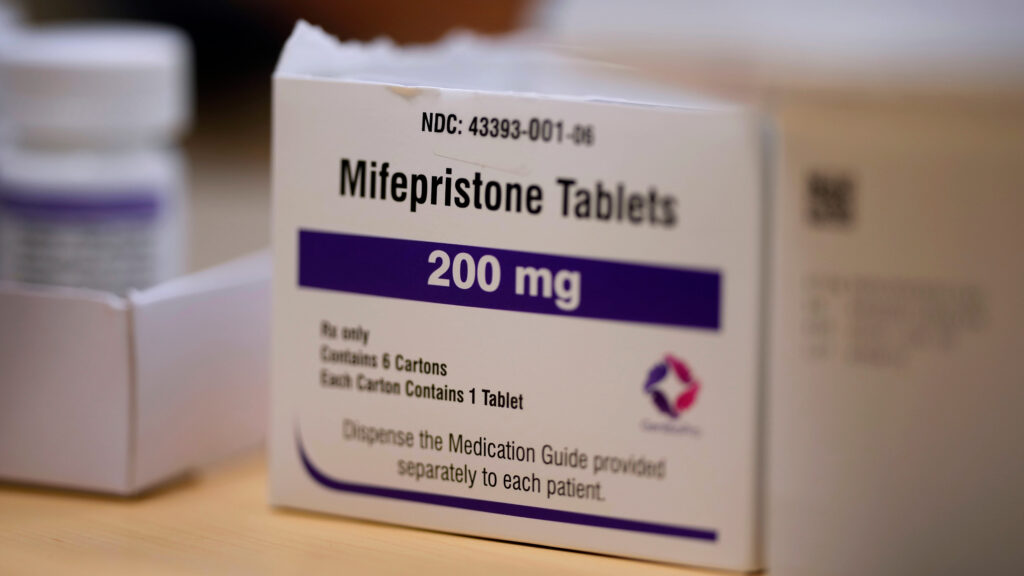
A federal appeals court has restricted access to one of the most common means of abortion in the U.S. by blocking the mailing of mifepristone prescriptions.
Friday’s unanimous ruling from a three-judge panel of the New Orleans-based 5th U.S. Circuit Court of Appeals is requiring that the abortion pill be distributed only in person and at clinics, overruling regulations set by the federal Food and Drug Administration.
Uncategorized
Bristol Myers’ pivotal year; Should AI be swinging bigger?; and more
Bristol Myers’ pivotal year; Should AI be swinging bigger?; and more
Welcome back to Endpoints Weekly! The last week of April brought a downpour of news as several pharma companies reported their first-quarter earnings. Max Gelman took a close look at a make-or-break moment for Bristol … Read More
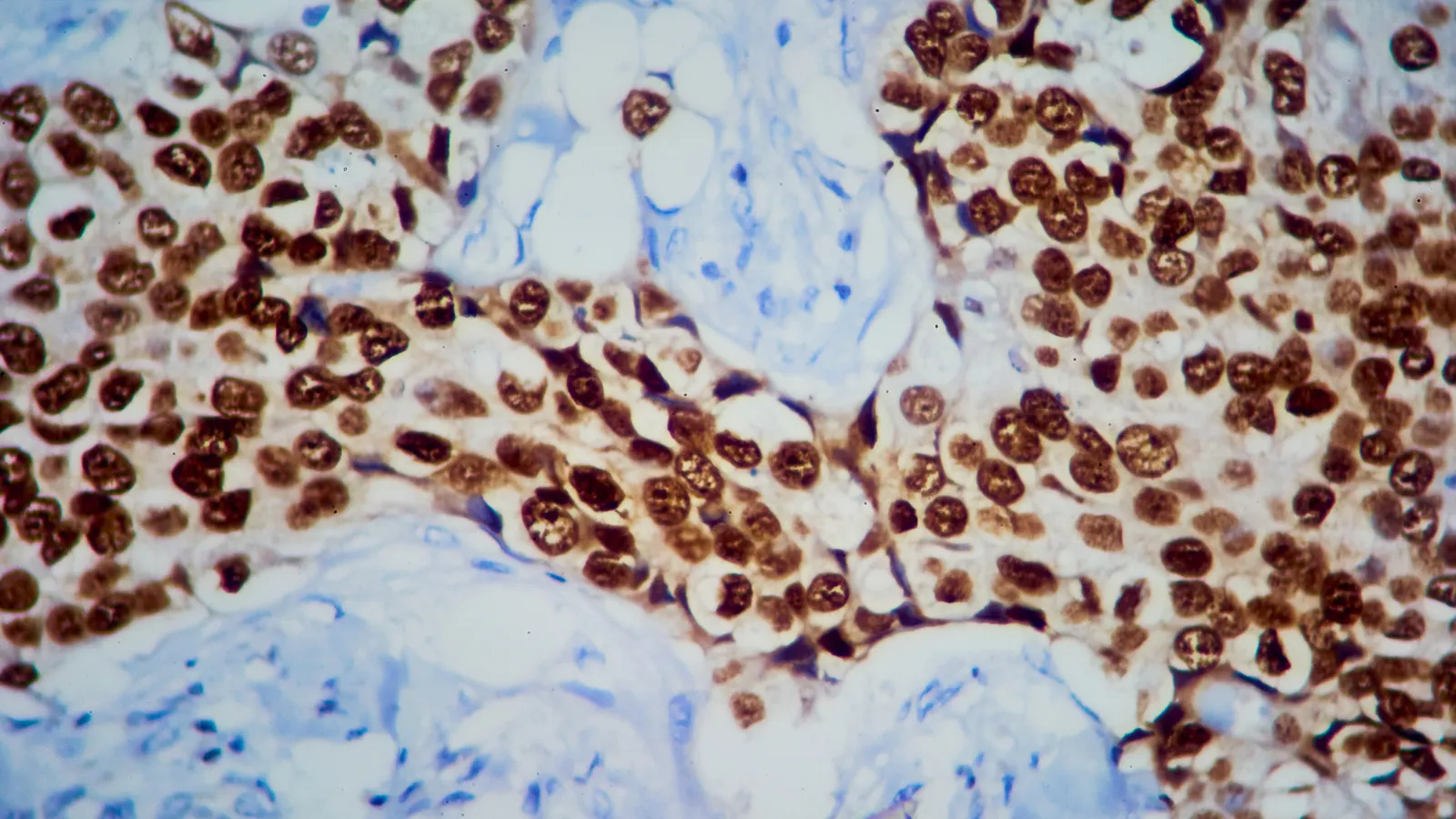
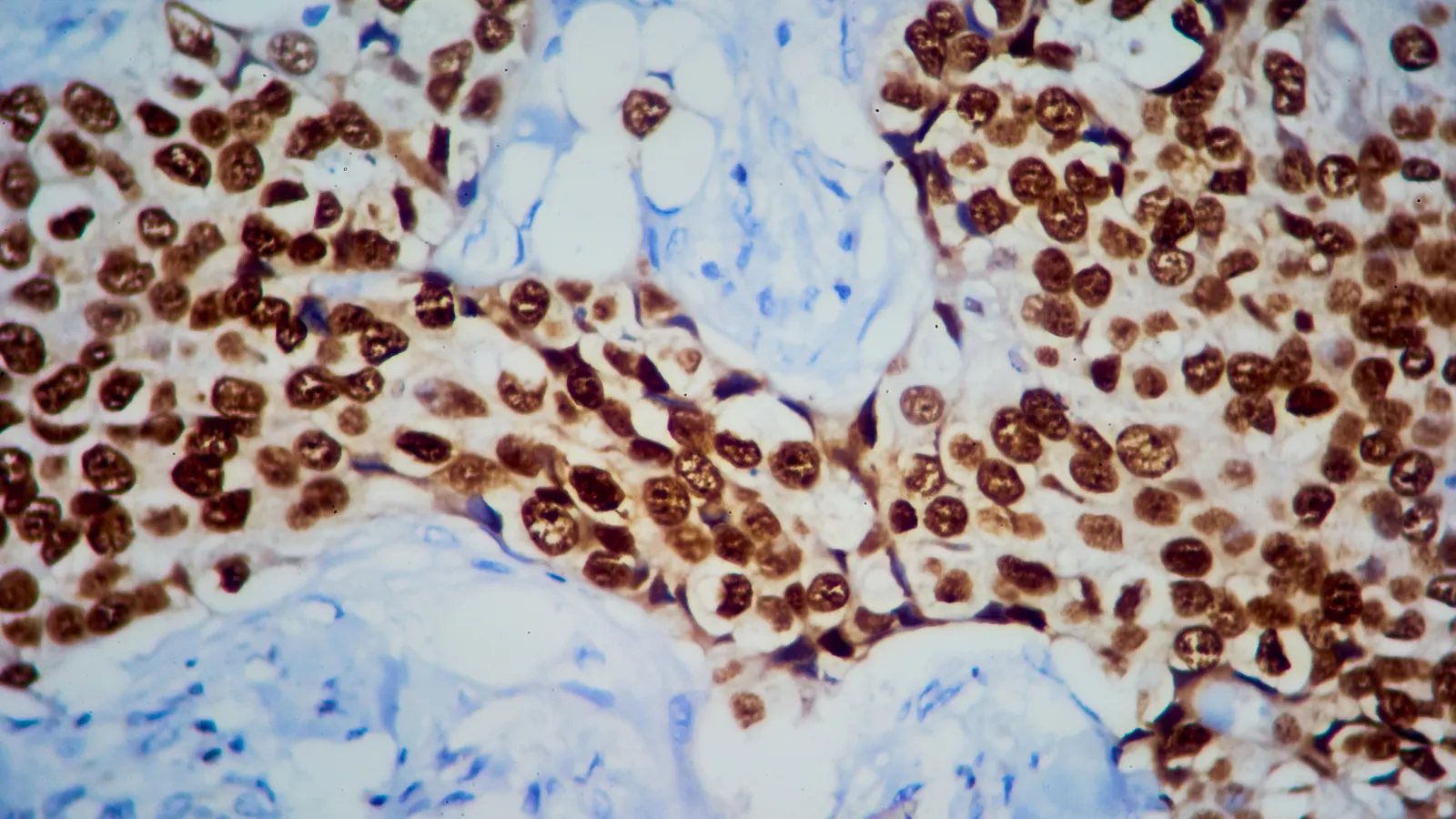
Known as Veppanu, the drug is the first of its kind to get to market. But Arvinas and partner Pfizer are still searching for a new partner to sell it.


Illinois’ financial crisis could bring the state to a halt
The final 6 ‘Game of Thrones’ episodes might feel like a full season
New Season 8 Walking Dead trailer flashes forward in time
Mod turns ‘Counter-Strike’ into a ‘Tekken’ clone with fighting chickens
Meet Superman’s grandfather in new trailer for Krypton
Disney’s live-action Aladdin finally finds its stars

Federal appeals court blocks mailing of abortion pill mifepristone
Bristol Myers’ pivotal year; Should AI be swinging bigger?; and more

Arvinas’ ‘Protac’ breast cancer drug cleared by FDA
DNA-Containing Extracellular Vesicles Boost Antitumor Responses in Mice
Moderna in talks with FDA over Phase 4 Covid vaccine data
FDA approves Pfizer and Arvinas’ breast cancer drug despite underwhelming data
Illinois’ financial crisis could bring the state to a halt
The final 6 ‘Game of Thrones’ episodes might feel like a full season
New Season 8 Walking Dead trailer flashes forward in time
Mod turns ‘Counter-Strike’ into a ‘Tekken’ clone with fighting chickens
Meet Superman’s grandfather in new trailer for Krypton
Disney’s live-action Aladdin finally finds its stars
-
 Uncategorized9 years ago
These ’90s fashion trends are making a comeback in 2017
-
Contributors9 years ago
The final 6 ‘Game of Thrones’ episodes might feel like a full season
-
Uncategorized9 years ago
According to Dior Couture, this taboo fashion accessory is back
-
Uncategorized9 years ago
Uber and Lyft are finally available in all of New York State
-
Uncategorized9 years ago
Phillies’ Aaron Altherr makes mind-boggling barehanded play
-
Uncategorized9 years ago
The old and New Edition cast comes together to perform
-
Uncategorized9 years ago
Steph Curry finally got the contract he deserves from the Warriors
-
Uncategorized9 years ago
Disney’s live-action Aladdin finally finds its stars