

Uncategorized
Hydrogel-Based Axon Model Improves Early Testing for MS Remyelination Therapies

Axons—the long, cable‑like projections that relay electrical signals across the nervous system—depend on tightly wrapped layers of myelin to keep those messages fast and reliable. When this insulation is damaged, as in multiple sclerosis (MS) and other neurodegenerative diseases, signal transmission slows and neurons eventually degenerate. Although oligodendrocytes can repair myelin early on in the process, this capacity declines with age and repeated inflammatory attacks, leaving researchers searching for therapies that can restore myelin more effectively.
A team at University College London (UCL) has now developed a more physiologically realistic way to study how myelin forms—and how potential drugs might influence that process. Their new hydrogel‑based axon model, described in Nature Methods in a paper titled “Tunable hydrogel‑based micropillar arrays for myelination studies,” recreates both the geometry and softness of real axons. The platform is designed to address a longstanding problem in the field: many drug candidates that appear promising in rigid, plastic‑based lab models ultimately fail in human trials.
“To stop MS, we need therapies that repair myelin,” said senior author Emad Moeendarbary, PhD, professor of cell mechanics and mechanobiology at UCL and CEO of BioRecode. “Promising drug candidates in the past have failed when tested in human patients. One factor might be that laboratory models do not replicate the basic physical properties of the human brain.”
The UCL team engineered vertical micropillars—each tens of times thinner than a human hair—using a microfabrication process called photolithography that allowed them to precisely tune diameter, spacing, and stiffness. Unlike earlier artificial axons made from hard polymers, these pillars are composed of polyacrylamide hydrogel, a material whose elasticity can be adjusted to match the ~5 kPa softness of native axons. As the authors noted in the paper, the system “mimics the three‑dimensional architecture and softness of axons,” enabling oligodendrocytes to form “multilayered compact myelin” around the pillars.
The researchers seeded the hydrogel pillars with human and rodent oligodendrocytes and tested several candidate remyelination drugs. When the pillars were tuned to realistic softness, drug performance dropped—suggesting that overly rigid models may have produced misleading hits in the past. “Our work suggests that commonly used rigid models, hundreds of times stiffer than real axons, can generate misleading drug hits,” Moeendarbary said. “We believe that our more life-like model can be used as a more robust early test of drug candidates and as a platform to discover new drugs.”
The study also marks the first demonstration of compact, multilayered myelin grown from human oligodendrocytes in a fully hydrogel‑based system. The platform’s design allows high‑content imaging, transcriptomic profiling, and systematic variation of mechanical cues—capabilities that could help researchers dissect how myelin forms and why it fails in disease.
Building such a soft, microscale structure was not trivial. “Hydrogel is a close mimic of living cells… but to fabricate a soft hydrogel at such a small scale is not an easy task,” Moeendarbary noted, crediting the five years of work led by PhD student Soufian Lasli and Claire Vinel, PhD.
By more faithfully recreating the physical environment of the brain, the UCL team hopes their model will provide a more reliable proving ground for remyelination therapies before they reach clinical trials.
The post Hydrogel-Based Axon Model Improves Early Testing for MS Remyelination Therapies appeared first on GEN – Genetic Engineering and Biotechnology News.

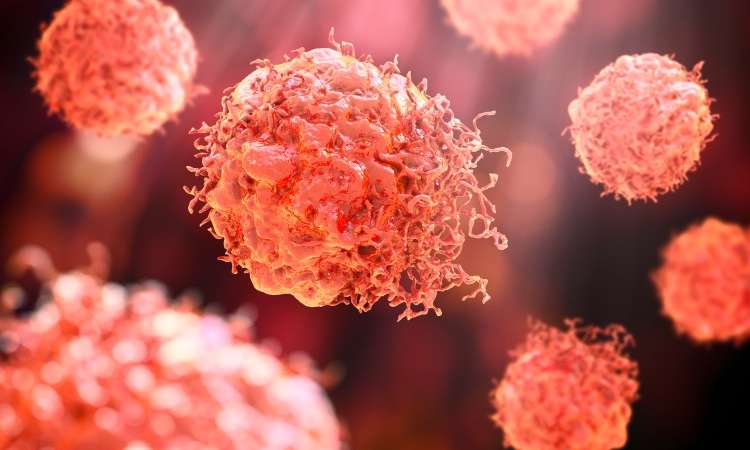

Hosted by Drug Discovery World and supported by Sartorius and BioIVT, this webinar will explore the opportunities and challenges that exist within cancer research drug discovery and development.
You will hear from Dr Sudha Rao, Chief Scientific Officer of Kazia Therapeutics, Karol Budzik, PhD, Business Development Associate at Vyriad Therapeutics and Lars van der Veen, Chief Scientific Officer at iOnctura.
Presentations will cover how cancer treatments have shifted towards reprogramming the biology driving tumour growth, immune escape and treatment resistance, the trajectory that in vivo CAR-T treatments are taking, and how challenging tumours burdened by stroma and immune-mediated resistance can be tackled.
Q&A with the speakers follows the presentations.
The post New webinar: Tackling drug discovery challenges in cancer research appeared first on Drug Discovery World (DDW).
Amid the rise of psychedelics in the mental health space, researchers have begun to explore psilocybin as a treatment for chemotherapy-induced peripheral neuropathy.
Uncategorized
New Spectrometry Technique Could Aid Formulation Development
New Spectrometry Technique Could Aid Formulation Development
A new technique combining two forms of spectrometry could help biopharmaceutical companies improve their choice of formulation buffer for antibody manufacturing by revealing how molecular forms and three-dimensional shapes of complex biologics respond to their environment. That’s the view of Christian Bleiholder, PhD, a professor at Florida State University who helped develop the technique.
According to Bleiholder, what happens structurally when a complex biological molecule, such as an antibody or viral spike protein, binds to its target is currently poorly understood.
“This is where [this approach] can help with the bioprocessing and formulation,” he says, as structural changes “can affect the lifespan [of the product] and lead to issues, such as aggregation.”
Because antibodies are complex, existing techniques tend to be powerful at different levels of complexity, he explains. Mass spectrometry is particularly powerful for distinguishing molecular composition, while structural approaches such as X-ray crystallography and cryo-electron microscopy can provide high-resolution structural information.
The challenge is understanding the link between these things within a heterogeneous sample, he says.
To overcome this, Bleiholder and his team worked with Bruker Daltonics to develop Tandem-Trapped Ion Mobility Spectrometry (Tandem-TIMS). This combines tandem ion mobility spectrometry with tandem mass spectrometry to disentangle three overlapping layers of molecular complexity: molecular form, three-dimensional shape, and binding or assembly state, he says.
He explains that, if the proteins have different structures, they can be characterized with tandem ion mobility spectrometry, and then mass spectrometry can be used to look at their molecular forms and binding states.
Going forward, Bleiholder hopes the technique can be used for formulation development but also earlier, during drug discovery of new products, such as multi-specific antibodies, to determine which molecular states are important and how those change when a biologic engages its target. He also plans to look at automating the technique.
Bleiholder spoke about using Tandem-TIMS at the Bioprocessing Summit in Boston earlier this year.
The post New Spectrometry Technique Could Aid Formulation Development appeared first on GEN – Genetic Engineering and Biotechnology News.


Novo’s Denecimig Demonstrates Tolerability After Switch from Emicizumab in FRONTIER5 Study of People with Haemophilia A as Published in the Journal of Thrombosis and Haemostasis

Animal Rule Information

Non-Compliance Letters under 505B(d)(1) of the Federal Food, Drug, and Cosmetic Act

Korea Filler Experts – 718706 – 11/03/2025

Verified Clinical Benefit | Cancer Accelerated Approvals

Novo notches up to $1.4B pact with Orbis to develop oral macrocycle cardiometabolic drugs
-
Fierce Biotech6 months ago
Scientists turn pig semen extract into eye drops that kill cancer in mice
-
Endpoints News6 months ago
Novartis to pay $2B upfront to take next-gen PI3Kα inhibitor from Synnovation
-

 Uncategorized6 months ago
Novartis buys Synnovation’s PI3Kα inhibitors for $3 billion
-
Nature Biotechnology6 months ago
Sustained nitric oxide production by engineered E. coli remodels the tumor microenvironment and potentiates immunotherapy
-
 Uncategorized5 months ago
Optical Pooled CRISPR Screen Reveals Regulators of NF-κB Dynamics in Human Cells
-
Uncategorized4 months ago
Relay’s PI3Kα inhibitor clears efficacy bar in Phase 2 vascular anomalies study
-

 STAT News – Biotech6 months ago
STAT+: In private meetings, White House works to win pharma companies’ support for drug pricing bill
-
Nature Biotechnology6 months ago
Mapping cis-regulatory mutations at scale in sorghum enables modulation of gene expression
 Scan to Read