

Uncategorized
AI In Silico Multi-Omics Technique Cuts Therapeutic Development Costs

Bringing a drug from discovery through clinical trials takes too long and is too expensive, with preclinical costs alone estimated at $15 to $100 million. Employing artificial intelligence (AI) early in the process can lower those costs dramatically.
AI itself isn’t a panacea, though, Jayson Uffens, CTO and chairman of GATC Health, tells GEN. Instead, “Smart computing makes smart people smarter. There’s still a lot of expertise from people on the ground who bring a lot of value—maybe the ultimate value—to the mix.”
GATC Health, an AI-driven therapeutic discovery company, uses AI to raise the floor on opportunities to get high-potential compounds into human studies faster and thereby drive success.
Its proprietary approach to hit and lead identification and program derisking can cut preclinical development costs, according to Uffens, who maintains that the earlier AI is used in a program, the more dramatic the results.
The success GATC Health touts is based on deploying Operon , the company’s proprietary AI platform. Operon deploys in silico models to simulate human biology and takes a multi-omics approach to analysis. That approach has allowed GATC to deliver three to five optimized compounds within six months, claims Uffens, versus the up to 48 months associated with traditional high-throughput screening methods.
Such acceleration occurs by using advanced in silico models to circumvent the “hundreds of thousands of dollars’ worth of experiments performed to get a hit and, ultimately, a lead,” Uffens says.
Rather than relying upon one huge model, he elaborates, “We attack the problem from multiple facets, looking at individual problems with various models and different architectures…and coordinate hundreds of AI models to answer different questions. That’s the starting point. There’s a lot of value in how we curate and parameterize our data in those specific contexts.”
The company also launched the Derisq AI Report, an in-depth analysis of drug candidates that highlights safety concerns, efficacy, and non-obvious risks early, while decision-makers can still modulate those risks.
This predictive intelligence layer is, in fact, a key element of GATC’s clinical trial insurance product. Underwritten by Medical and Commercial International (MCI) under the Lloyd’s of London framework, this insurance product leverages GATC’s predictive capabilities to identify risk. It reimburses the full cost of the trial if safety or efficacy endpoints aren’t met.
Typically, MCI’s preclinical trial insurance clients would provide that company with the relevant trial information, which would be run through the Derisq tool as part of their risk analysis.
Buyers for this insurance tend to be biopharma companies that aren’t large enough to self-insure their own trials. “Capital is expensive for them,” Uffens points out. “The insurance product is there to help them lower the cost of capital and open capital doors that may not be open otherwise.”
Multiomics to Discovery
What’s different about GATC’s approach to AI, Uffens says, is that “We come in, generally, as outsiders.” The founding team includes computer scientists as well as those with strong biology and genetics backgrounds, but not necessarily industry experience.
“We built our technology originally as a genetics interpretation platform,” he recalls, “and expanded it to find additional value.” The company was formed officially in 2020.
The turning point came when GATC became involved in a failed, big pharma program for addiction research.
“(The big pharma company) hadn’t found a solution, but had really valuable data and samples. A partner of ours was working with it to identify biomarkers and thought we could validate them. We discovered that not only could we validate the biomarkers, but we could also identify the therapeutic targets. That’s how we moved from multi-omics analysis into discovery,” Uffens recalls.
Moving forward, “We want to empower researchers,” he says. This means not only helping clients advance existing programs but also by identifying potentially more valuable targets.
Working with GATC
GATC’s key partners most likely will be biotech rather than big pharma, Uffens predicts. And, he notes, “We’re fairly agnostic to therapeutic area.”
“Most of our customers have called us because they want to realize the benefits of AI sooner rather than later,” Uffens says. “There is a lot of risk in the space. Folks who are willing to adopt AI at this stage…are looking for additional help before they risk more capital…” to solve particular challenges.
For a company to begin working with GATC, he explains, “The data we’re looking for is very similar to what they would include in an Investigational New Drug (IND) package. The earlier they are in the process, the less data they will have, but, at a minimum, we need some particulars on their therapeutic’s chemistry and the intended mechanism of action.”
Challenges
Drug development is a difficult space with plentiful challenges, he admits. Therefore, “We approach things as a tech company. We iterate through a problem and find where we can succeed or fail as quickly as we can to develop a solution. We’ve gone through multiple generations of architectures, finding ways that work best.”
The next milestone is to accumulate multiple successes with Operon and Derisq in human trials. “‘Wins in humans’ is our [next] frontier,” he says. That includes wins for its insurance underwriting partners as well as for companies working directly with GATC to advance therapeutics to human trials.
As part of that goal, GATC and BioAtla are closing a deal for a Phase III trial of ozuriftamab vedotin for oropharyngeal squamous cell carcinoma and to further develop conditionally active biologic senolytic therapies. Termed a special purpose vehicle transaction—a financial entity designed to hold specific assets that last for the life of the project—the $40 million deal formed Inversagen AI, LLC, to leverage the strengths of the founding companies.
“GATC and BioAtla are equal partners in Inversagen,” Uffens says. “GATC will own a percentage of ozuriftamab vedotin and a larger stake in future joint discoveries,” thus potentially discovering new therapeutic combinations that may be effective as conditionally active biologics.
Currently, the GATC is fine-tuning its own project prioritization. “The AI landscape is both beneficial and challenging,” Uffens acknowledges. “People have certain expectations about what AI can and should do, how it works, and how they might adopt it. Getting them to hear our unique perspective comes back to our focus on wins in humans.”
The post AI <i>In Silico</i> Multi-Omics Technique Cuts Therapeutic Development Costs appeared first on GEN – Genetic Engineering and Biotechnology News.

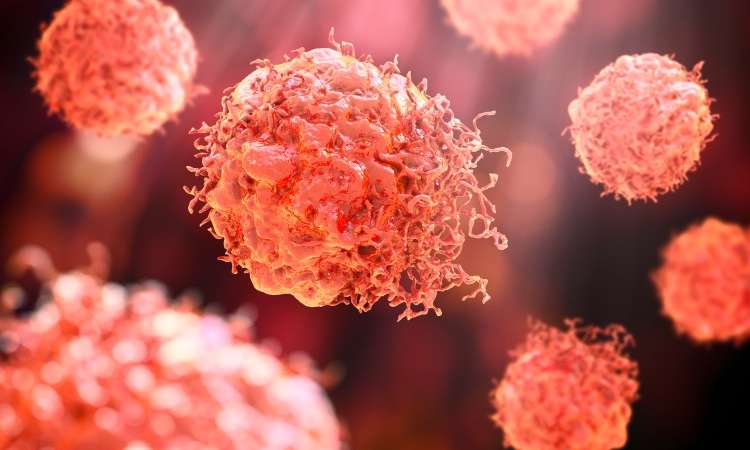

Hosted by Drug Discovery World and supported by Sartorius and BioIVT, this webinar will explore the opportunities and challenges that exist within cancer research drug discovery and development.
You will hear from Dr Sudha Rao, Chief Scientific Officer of Kazia Therapeutics, Karol Budzik, PhD, Business Development Associate at Vyriad Therapeutics and Lars van der Veen, Chief Scientific Officer at iOnctura.
Presentations will cover how cancer treatments have shifted towards reprogramming the biology driving tumour growth, immune escape and treatment resistance, the trajectory that in vivo CAR-T treatments are taking, and how challenging tumours burdened by stroma and immune-mediated resistance can be tackled.
Q&A with the speakers follows the presentations.
The post New webinar: Tackling drug discovery challenges in cancer research appeared first on Drug Discovery World (DDW).
Amid the rise of psychedelics in the mental health space, researchers have begun to explore psilocybin as a treatment for chemotherapy-induced peripheral neuropathy.
Uncategorized
New Spectrometry Technique Could Aid Formulation Development
New Spectrometry Technique Could Aid Formulation Development
A new technique combining two forms of spectrometry could help biopharmaceutical companies improve their choice of formulation buffer for antibody manufacturing by revealing how molecular forms and three-dimensional shapes of complex biologics respond to their environment. That’s the view of Christian Bleiholder, PhD, a professor at Florida State University who helped develop the technique.
According to Bleiholder, what happens structurally when a complex biological molecule, such as an antibody or viral spike protein, binds to its target is currently poorly understood.
“This is where [this approach] can help with the bioprocessing and formulation,” he says, as structural changes “can affect the lifespan [of the product] and lead to issues, such as aggregation.”
Because antibodies are complex, existing techniques tend to be powerful at different levels of complexity, he explains. Mass spectrometry is particularly powerful for distinguishing molecular composition, while structural approaches such as X-ray crystallography and cryo-electron microscopy can provide high-resolution structural information.
The challenge is understanding the link between these things within a heterogeneous sample, he says.
To overcome this, Bleiholder and his team worked with Bruker Daltonics to develop Tandem-Trapped Ion Mobility Spectrometry (Tandem-TIMS). This combines tandem ion mobility spectrometry with tandem mass spectrometry to disentangle three overlapping layers of molecular complexity: molecular form, three-dimensional shape, and binding or assembly state, he says.
He explains that, if the proteins have different structures, they can be characterized with tandem ion mobility spectrometry, and then mass spectrometry can be used to look at their molecular forms and binding states.
Going forward, Bleiholder hopes the technique can be used for formulation development but also earlier, during drug discovery of new products, such as multi-specific antibodies, to determine which molecular states are important and how those change when a biologic engages its target. He also plans to look at automating the technique.
Bleiholder spoke about using Tandem-TIMS at the Bioprocessing Summit in Boston earlier this year.
The post New Spectrometry Technique Could Aid Formulation Development appeared first on GEN – Genetic Engineering and Biotechnology News.


Novo’s Denecimig Demonstrates Tolerability After Switch from Emicizumab in FRONTIER5 Study of People with Haemophilia A as Published in the Journal of Thrombosis and Haemostasis

Animal Rule Information

Non-Compliance Letters under 505B(d)(1) of the Federal Food, Drug, and Cosmetic Act

Korea Filler Experts – 718706 – 11/03/2025

Verified Clinical Benefit | Cancer Accelerated Approvals

Novo notches up to $1.4B pact with Orbis to develop oral macrocycle cardiometabolic drugs
-
Fierce Biotech6 months ago
Scientists turn pig semen extract into eye drops that kill cancer in mice
-
Endpoints News6 months ago
Novartis to pay $2B upfront to take next-gen PI3Kα inhibitor from Synnovation
-
 Uncategorized6 months ago
Novartis buys Synnovation’s PI3Kα inhibitors for $3 billion
-
Nature Biotechnology6 months ago
Sustained nitric oxide production by engineered E. coli remodels the tumor microenvironment and potentiates immunotherapy
-
 Uncategorized5 months ago
Optical Pooled CRISPR Screen Reveals Regulators of NF-κB Dynamics in Human Cells
-
Uncategorized4 months ago
Relay’s PI3Kα inhibitor clears efficacy bar in Phase 2 vascular anomalies study
-

 STAT News – Biotech6 months ago
STAT+: In private meetings, White House works to win pharma companies’ support for drug pricing bill
-
Nature Biotechnology6 months ago
Mapping cis-regulatory mutations at scale in sorghum enables modulation of gene expression
 Scan to Read