
Uncategorized
China Sets Framework for Advanced Therapeutic Development


China’s Order 818—Regulations on the Administration of Clinical Research and Clinical Translation and Application of Biomedical New Technologies—establishes a new commercialization pathway for cell and gene therapeutics, gene editing, and other advanced therapeutics. More importantly, it signals China’s intent to accelerate local innovation and standardize the drug development environment, thereby becoming a more important player in advanced therapy development and manufacturing.
Order 818 allows therapeutics whose mechanisms of action are at the cellular or molecular level to be clinically translated at 3A hospitals (tertiary care hospitals, of which there are approximately 1,700) without requiring National Medical Products Administration (NMPA) drug registration. Once translational approval is granted, hospitals may begin charging patients for these treatments.
A good move
While the move appears to be viewed positively by the biopharma industry, some details are still being ironed out. For example, boundary delineation guidelines still need to be issued to specify which technologies fall under Order 818 and which remain under the NMPA’s purview. Interpretations of the order generally suggest that therapies intended for mass manufacturing and wide distribution will be governed by the NMPA, while personalized therapeutics may use the Order 818 pathway.
“We definitely see this as a positive signal,” Boyang Wang, founder of Singapore-based global longevity fund Immortal Dragons, tells GEN. Because advanced therapeutics are intricate and often personalized, it’s quite difficult for them to use the standard NMPA pathway. Before Order 818 was enacted on May 1, “biomedical companies in China would initiate investigator-initiated trials and partner with any training medical institution of their choice.”
Order 818 provides a standardized structure that ensures only hospitals capable of advanced therapy development are involved. It also provides a one-to-five-year risk observation window before the technology can shift from the tech track to a drug track, Wang says. That effectively provides a level of Chinese exclusivity before the therapeutic developer can file for approval with regulators outside China.
Ramifications
For international firms partnering with Chinese companies to develop advanced therapeutics, the new regulatory pathway mainly triggers a review of existing contracts and milestone clauses.
The greatest disruption may be for Chinese companies that are in the midst of investigator-initiated trials for advanced therapies at smaller institutions. This affects contract research and manufacturing organizations, too, who are producing materials, such as stem cells, for investigator-initiated trials.

Speaking to GEN, Todd Liao, partner at Morgan Lewis & Bockius’s Singapore office, emphasizes the need for foreign companies invested in China to review their contracts.
“Legacy agreements were written for a single-pathway world that no longer fully describes the Chinese landscape. If milestones are defined solely by NMPA events, a licensee commercializing [a therapeutic] through hospitals may never trigger them.” The solution, he says, “is to redefine milestones around clinical and commercial outcomes [such as] ‘first fee-paying patient’ rather than ‘first NMPA-approved commercial sale.’”
Liao says he expects “a wave of proactive contract amendments. It becomes contentious only if ignored.” Any disputes, he adds, will most likely be tried internationally rather than in Chinese courts.
To succeed under this dual-pathway system, Liao advises multinational corporations to define success by what happens in the clinic and the market, not the regulatory pathway. Therefore, he says:
- Use pathway-agnostic milestone language
- Require the Chinese partner to notify you before selecting the translation pathway so you can assess the global intellectual property (IP) and data implications
- Address human genetic resources’ joint IP requirements upfront to maintain global commercial control
“The overall regulatory direction is actually loosening, not tightening,” Liao says, citing new, “centralized oversight for clinical research and clinical transformation applications of biomedical new technologies.”
As he elaborates, “Notably, on May 8, 2026, the National Health Commission released a consultation draft that proposes to exclude pure clinical data, imaging data, and protein data from human genetic resources restrictions entirely, limiting the scope to nucleic acid sequence data only. It also introduces same-day filing confirmations for international clinical trials.”
Unless and until that proposal is enacted, export controls for Chinese human genetic resources remain strict, which may affect data-sharing arrangements for non-Chinese companies seeking to license or acquire Chinese cell and gene therapies. Basically, under current laws, Wang says, human genetic resource data “can never leave Chinese soil.” Analyses based on that data may be less restricted, and the differences can be subtle. Understandably, the close collaborations with 3A hospitals required under Order 181 could complicate data export decisions.

Additionally, the applicability of Order 818 to free trade zones has not yet been specified. Currently, the 2024 Foreign Investment Negative List prohibits multinational companies from investing in China’s cell and gene therapy development at a national level. Such investment is allowed, however, within the free trade zones of Beijing, Shanghai, Guangdong, and Hainan, but only under the NMPA product registration pathway. The so-called Negative List has not yet been updated to reflect the Order 818 pathway.
“Advanced therapies such as CAR T, cell therapy, and gene therapy require highly coordinated systems—regulatory clarity, manufacturing standards, hospital infrastructure, quality oversight, and predictable development pathways,” Jeremy Levin, PhD, chairman of Ovid Therapeutics and Opthera, chairman Emeritus of BIO, and author of the recently released Biotech in the Balance: Saving a Strategic Industry in an Age of Distrust, points out. “China is clearly trying to standardize and industrialize that environment.”
“If implemented consistently, that could make China a more attractive environment for advanced therapeutics development, and potentially accelerate local innovation, manufacturing, and partnerships,” Levin says. “China intends to compete at the highest levels of biotechnology over the long term.”
While some of the points of Order 818 are being refined in terms of their interrelationships with other trade regulations, “the clear signal is that biotech, healthcare, and biomedical technologies are at the top of senior government officials’ priority list,” Wang says. “They want to develop this sector. They want investment, and they want to leverage international capital and expertise. If any of the terms of this [order] will stifle innovation development, they will likely make modifications.”
The post China Sets Framework for Advanced Therapeutic Development appeared first on GEN – Genetic Engineering and Biotechnology News.

Uncategorized
cAMPfield lands $180M to build gut disease drug
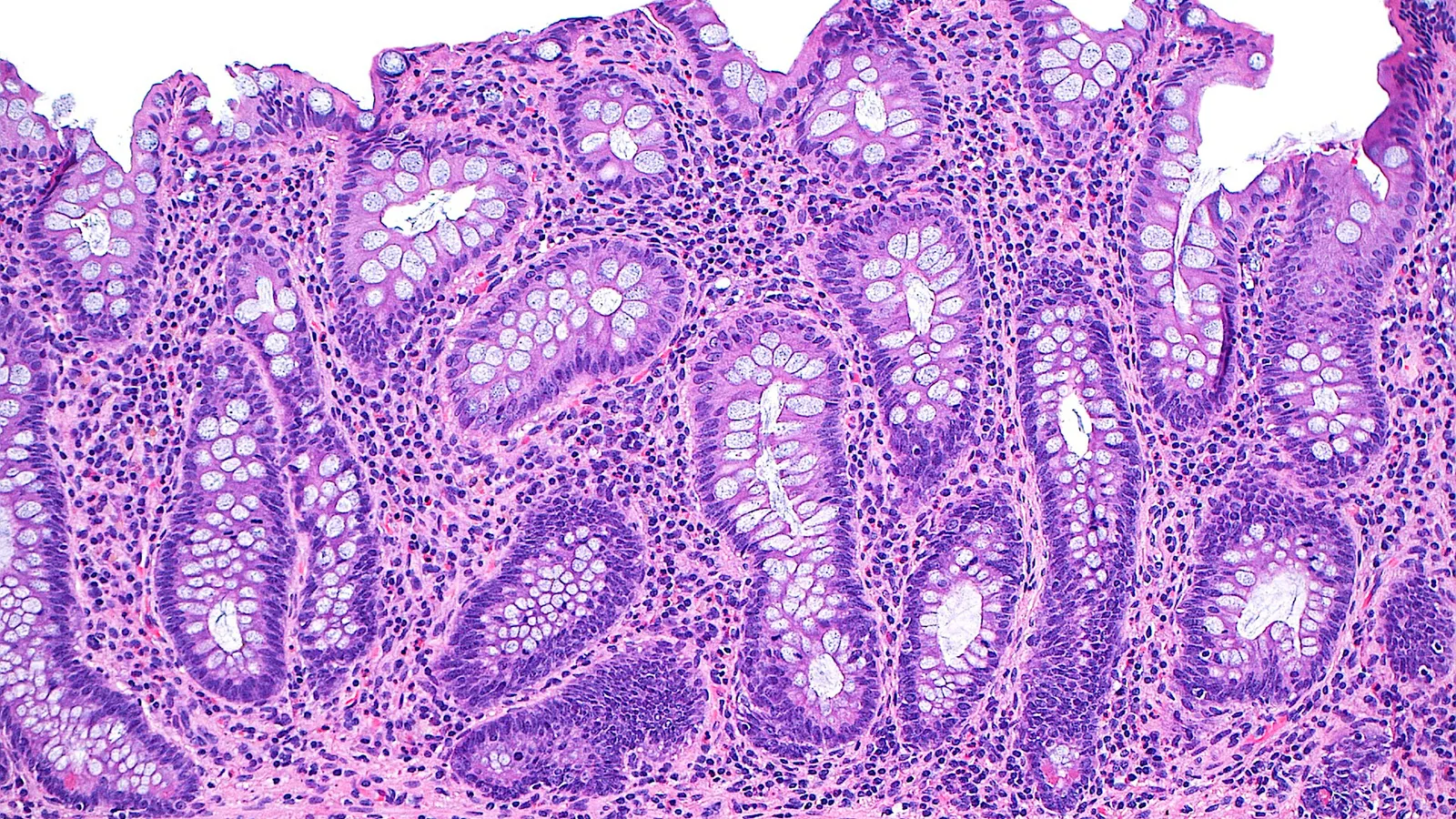
The biotech is advancing an anti-inflammatory drug that originated with vTv for inflammatory bowel diseases, leaning on a better side effect profile.
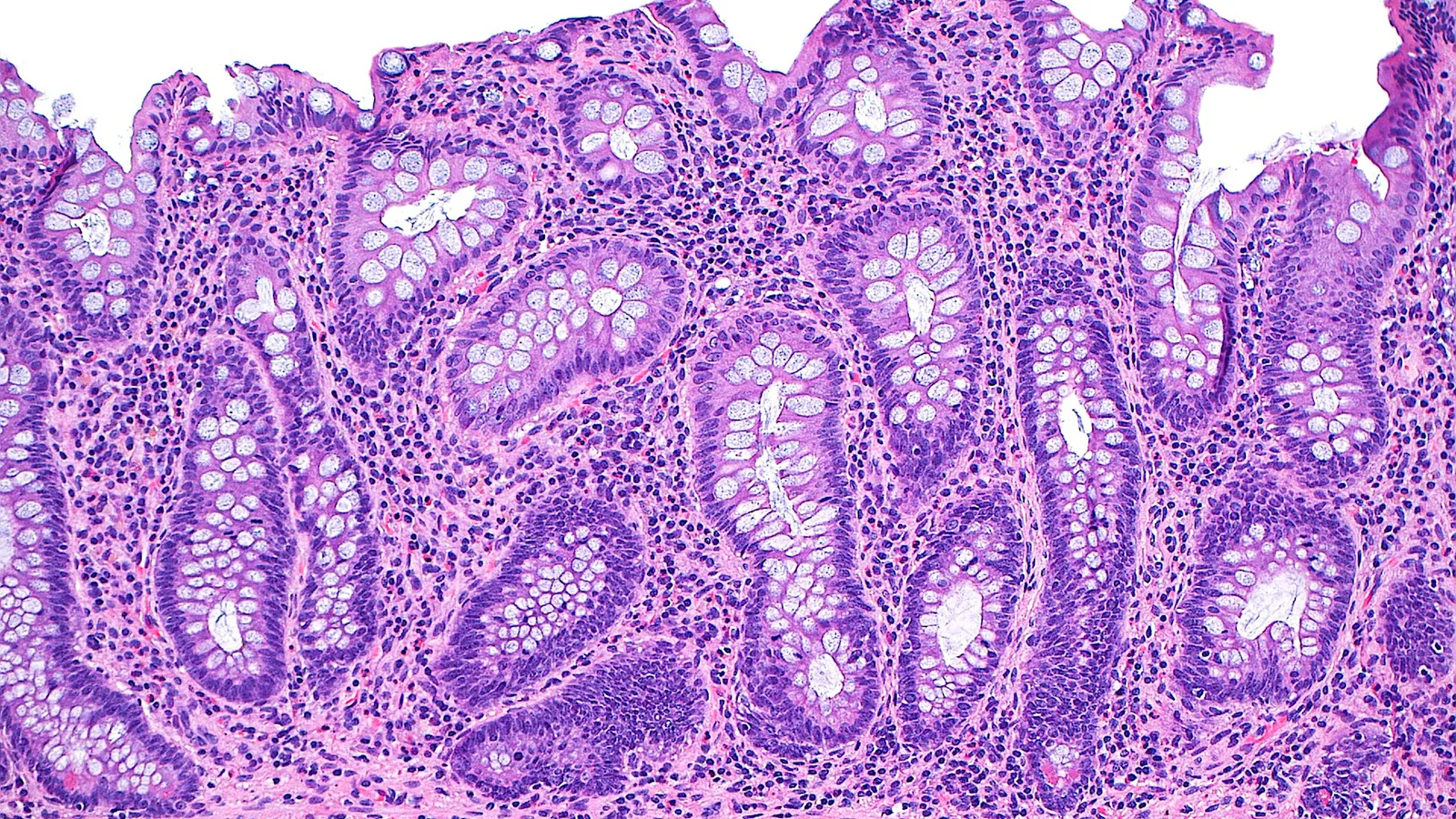
The biotech is advancing an anti-inflammatory drug that originated with vTv for inflammatory bowel diseases, leaning on a better side effect profile.
Backed by institutional investors and seasoned industry leaders, cAMPfield Therapeutics is advancing a clinical program aimed at reshaping the landscape for inflammatory bowel disease.
Uncategorized
STAT+: Shingles vaccine may lower dementia risk, new study finds
If you’re an older adult, getting vaccinated against shingles could lower your risk of developing dementia.
A new study found that elderly nursing home residents who received at least one dose of the shingles vaccine known as Shingrix, the only shot of its kind available in the United States, were 24 percent less likely to develop dementia over a four-year period compared to those who were not vaccinated, according to results published this week in the peer-reviewed journal Annals of Internal Medicine.
The research adds to the growing body of evidence showing a connection between the viral infection and cognitive decline.
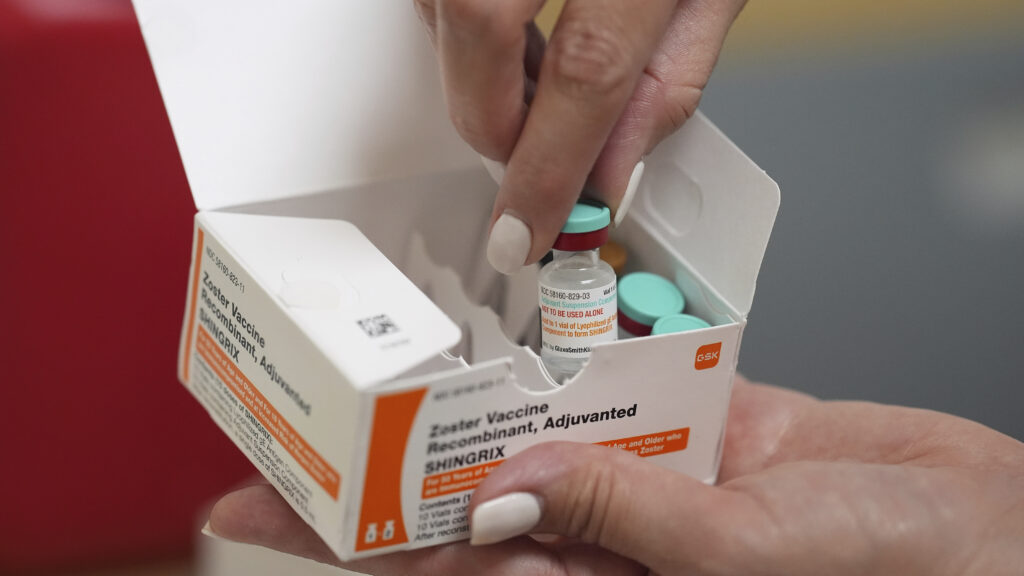
If you’re an older adult, getting vaccinated against shingles could lower your risk of developing dementia.
A new study found that elderly nursing home residents who received at least one dose of the shingles vaccine known as Shingrix, the only shot of its kind available in the United States, were 24 percent less likely to develop dementia over a four-year period compared to those who were not vaccinated, according to results published this week in the peer-reviewed journal Annals of Internal Medicine.
The research adds to the growing body of evidence showing a connection between the viral infection and cognitive decline.


Illinois’ financial crisis could bring the state to a halt
The final 6 ‘Game of Thrones’ episodes might feel like a full season
New Season 8 Walking Dead trailer flashes forward in time
Mod turns ‘Counter-Strike’ into a ‘Tekken’ clone with fighting chickens
Meet Superman’s grandfather in new trailer for Krypton
Disney’s live-action Aladdin finally finds its stars

cAMPfield lands $180M to build gut disease drug
New biotech cAMPfield emerges with $180M to reshape IBD treatment

STAT+: Shingles vaccine may lower dementia risk, new study finds
From fragile skin to living medicine: Lessons from RDEB

STAT+: Pharmalittle: We’re reading about an FDA review of Moderna’s flu shot, J&J’s focus on cancer, and more

China Sets Framework for Advanced Therapeutic Development
Illinois’ financial crisis could bring the state to a halt
The final 6 ‘Game of Thrones’ episodes might feel like a full season
New Season 8 Walking Dead trailer flashes forward in time
Mod turns ‘Counter-Strike’ into a ‘Tekken’ clone with fighting chickens
Meet Superman’s grandfather in new trailer for Krypton
Disney’s live-action Aladdin finally finds its stars
-
 Uncategorized9 years ago
These ’90s fashion trends are making a comeback in 2017
-
Uncategorized9 years ago
According to Dior Couture, this taboo fashion accessory is back
-
Endpoints News3 months ago
Novartis to pay $2B upfront to take next-gen PI3Kα inhibitor from Synnovation
-
Uncategorized9 years ago
Phillies’ Aaron Altherr makes mind-boggling barehanded play
-
Uncategorized9 years ago
Uber and Lyft are finally available in all of New York State
-
Uncategorized9 years ago
Steph Curry finally got the contract he deserves from the Warriors
-
Contributors9 years ago
The final 6 ‘Game of Thrones’ episodes might feel like a full season
-

 Uncategorized3 months ago
Novartis buys Synnovation’s PI3Kα inhibitors for $3 billion