

-


 Synthetic Biology, Genomics & Advanced Therapeutics2 weeks ago
Genome editing
Nature Biotechnology, Published online: 12 October 2026; doi:10.1038/s41587-026-03324-9Recent patents relating to systems, methods and compositions for use in genome editing.
-


 Synthetic Biology, Genomics & Advanced Therapeutics3 weeks ago
Hidden RNA switches in a deadly mold reveal new targets against fungal disease
A large-scale re-annotation of the Aspergillus fumigatus genome reveals that many presumed pathogen-specific genes are actually long non-coding RNAs, two of which regulate translation, mitochondrial function,...
-

 Synthetic Biology, Genomics & Advanced Therapeutics3 weeks ago
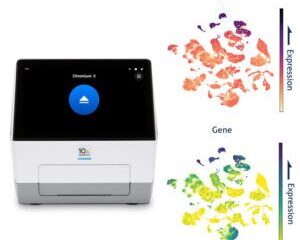
Multiomics in 2026 and Beyond
Multiomics analysis combines data from two or more omics layers—such as genomics, transcriptomics, proteomics, and epigenomics. However, published criticisms of multiomics approaches have highlighted concerns about...
-


 Synthetic Biology, Genomics & Advanced Therapeutics3 weeks ago
Spatial Biology Moves Toward Translation
Spatial technologies preserve tissue context to guide therapeutic development and translate molecular insights into clinically actionable information. The post Spatial Biology Moves Toward Translation appeared first...
-


 Synthetic Biology, Genomics & Advanced Therapeutics3 weeks ago
How Abogen went from COVID hype to a $7.8B Novartis deal
After Abogen Biosciences’ COVID shot missed the commercial window, the big question was whether its mRNA technology could create value beyond vaccines. Novartis’ $575 million upfront...
-


 Synthetic Biology, Genomics & Advanced Therapeutics3 weeks ago
How HPV Reshapes the 3D Genome to Lock Cervical Cancer Into Resistant States
A new review argues that host chromatin architecture and three-dimensional genome rewiring, not just HPV oncoproteins, stabilize malignant states and drive therapeutic resistance in cervical cancer.
-


 Synthetic Biology, Genomics & Advanced Therapeutics3 weeks ago
Silencing HPV16 Oncogenes E5 and E6 Emerges as a Promising Route Against Cervical Cancer
A new review in Virology Journal examines how siRNA and CRISPR/Cas gene-silencing technologies could target the HPV16 oncoproteins E5 and E6 to restore tumor suppressor function...
-

 Synthetic Biology, Genomics & Advanced Therapeutics3 weeks ago
DNA Typewriter, PEtracer Map Mouse Development Through Organogenesis
Two DNA-recording systems traced cellular family trees across mouse embryogenesis, offering new insight into how organs form and when developing cells commit to specific fates. The...
-


 Synthetic Biology, Genomics & Advanced Therapeutics3 weeks ago
Caribou abandons allogeneic CAR Ts: Is the allo era ending? A perspective
BIOCENTURY | EDITOR'S COMMENTARYCARIBOU ABANDONS ALLOGENEIC CAR TS: IS THE ALLO ERA ENDING? A PERSPECTIVEThe exit of another pioneer underscores a shrinking opportunity as T cell...
-


 Synthetic Biology, Genomics & Advanced Therapeutics3 weeks ago
Reusing data could cut R&D costs and greatly increase gene editing’s reach: ARM
Leveraging recently proposed regulatory flexibilities, the gene-editing sector is working to cut R&D costs and unlock indications that were previously economically unviable, according to a new...


Genmab’s cancer bispecific delivers early survival win in ‘exceedingly positive’ Phase 3 readout

Genmab’s cancer bispecific delivers early OS win in ‘exceedingly positive’ Phase 3 readout

STAT+: HHS moves to allow compounding of some unapproved peptides

Novartis buys Synnovation’s PI3Kα inhibitors for $3 billion
Novartis to pay $2B upfront to take next-gen PI3Kα inhibitor from Synnovation

