

-


 Synthetic Biology, Genomics & Advanced Therapeutics2 weeks ago
Engineered enzyme could improve detection of HIV and other viruses
Scientists have long used a powerful gene-editing tool called CRISPR to make precise changes to DNA. But a different version of the technology, known as Cas13a,...
-

 Synthetic Biology, Genomics & Advanced Therapeutics2 weeks ago
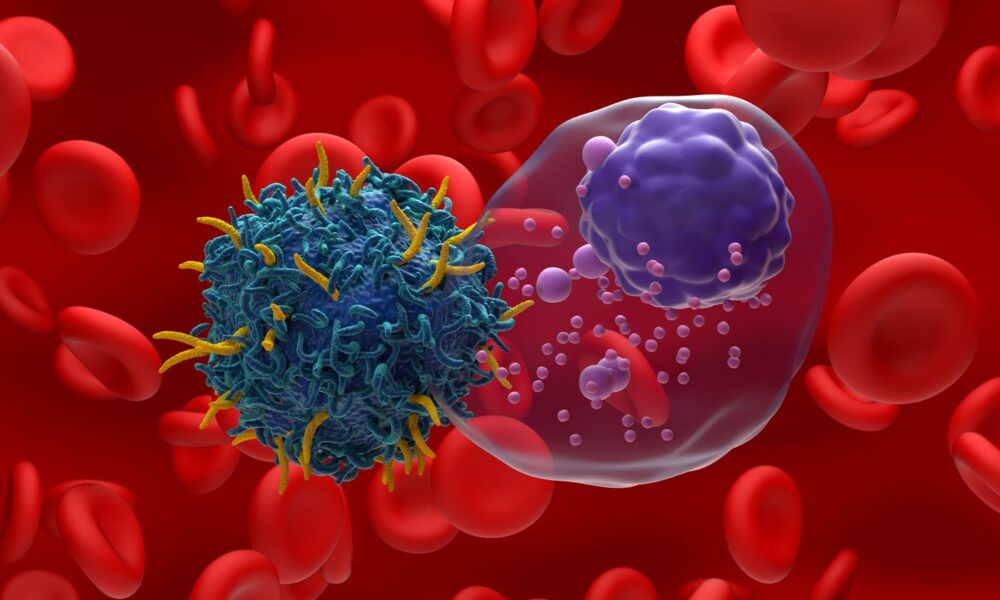
Contracting Expansion: A Path to Better CAR T-Cell Therapy Production
Shorter cell expansion steps could significantly accelerate CAR T-cell therapy production processes, according to researchers, who cite microfluidic culture systems, real-time PAT tools, and AI-enabled predictive...
-


 Synthetic Biology, Genomics & Advanced Therapeutics2 weeks ago
The Metabolic Moment: 3 big bets to watch in metabolic disease
Explore three big bets in metabolic disease: the race to challenge Lilly and Novo, a pill that mimics exercise, and a gene therapy for diabetes. The...
-

 Synthetic Biology, Genomics & Advanced Therapeutics2 weeks ago
Sequence changes help modified mRNA avoid protein-making errors to improve vaccine design
When the coronavirus SARS-CoV-2 turned our world upside down, mRNA vaccines against COVID-19 brought a breakthrough. Their success established modified mRNA as a powerful foundation for...
-

 Synthetic Biology, Genomics & Advanced Therapeutics2 weeks ago
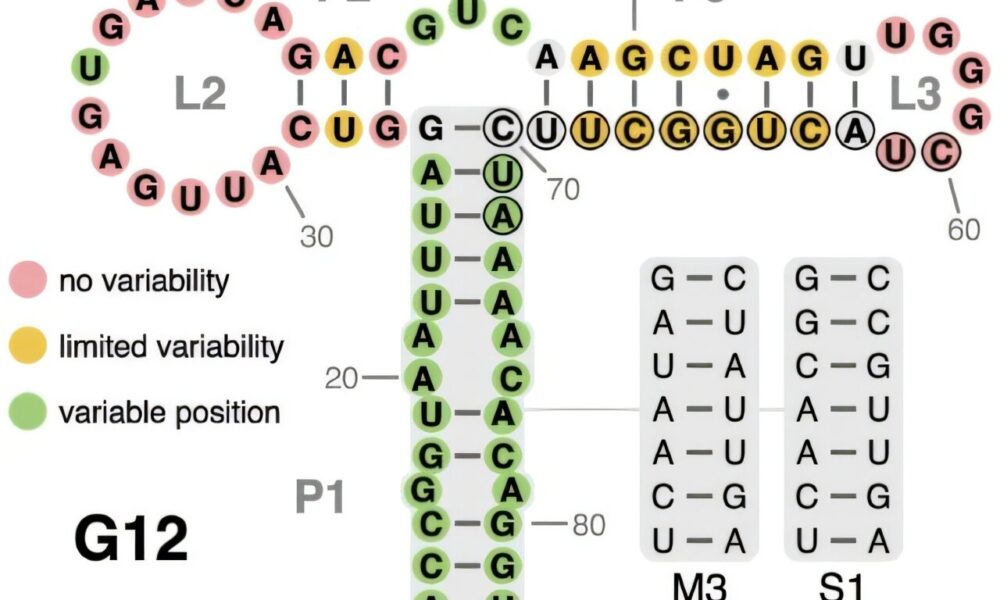
A small RNA switch with huge potential opens up new possibilities for synthetic biology
An international research team led by TU Darmstadt Professor Beatrix Süß, working in close collaboration with partners in Germany and Denmark, has elucidated how an RNA...
-


 Synthetic Biology, Genomics & Advanced Therapeutics2 weeks ago
BioNTech mRNA cancer immunotherapy misses first objective in key study
An early data check showed the shot didn’t delay tumor progression in a form of head and neck cancer, though BioNTech is holding out hope it...
-

 Synthetic Biology, Genomics & Advanced Therapeutics2 weeks ago
Cholesterol-linked drug boosts gene-targeting potency in early findings
Nucleic acid therapeutics, such as antisense oligonucleotides (ASOs), have emerged as promising platforms for treating a variety of previously hard-to-treat diseases, including neurological diseases.
-


 Synthetic Biology, Genomics & Advanced Therapeutics2 weeks ago
StockWatch: Caribou Plunges as It Pursues Strategic Alternatives
Caribou has halted trials of vispacabtagene regedleucel (vispa-cel, formerly CB-010) a treatment for relapsed or refractory B cell non-Hodgkin lymphoma; and of CB-011, an allogeneic anti-BCMA...
-


 Synthetic Biology, Genomics & Advanced Therapeutics2 weeks ago
Parkinson’s cell therapy developer files to go public
Aspen Neuroscience is looking to join the Nasdaq and raise more money to support its lead program, which aims to turn a patient's own cells into...
-
Synthetic Biology, Genomics & Advanced Therapeutics2 weeks ago
Tracing the origins of CRISPR–Cas
Nature Biotechnology, Published online: 12 October 2026; doi:10.1038/s41587-026-03353-4Tracing the origins of CRISPR–Cas


Genmab’s cancer bispecific delivers early survival win in ‘exceedingly positive’ Phase 3 readout

Genmab’s cancer bispecific delivers early OS win in ‘exceedingly positive’ Phase 3 readout

STAT+: HHS moves to allow compounding of some unapproved peptides

Novartis buys Synnovation’s PI3Kα inhibitors for $3 billion
Novartis to pay $2B upfront to take next-gen PI3Kα inhibitor from Synnovation

