

-


 AI, Machine Learning & Computational Biology3 weeks ago
Decoding systemic vascular health and hypertensive disorders in pregnancy through retinal imaging and Visionary AI
Nature Biotechnology, Published online: 06 October 2026; doi:10.1038/s41587-026-03303-0An interpretable artificial intelligence framework predicts hypertensive disorders of pregnancy using retinal images and vascular modeling.
-

 AI, Machine Learning & Computational Biology4 weeks ago
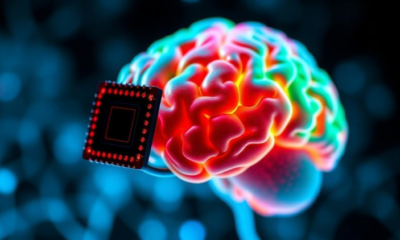
Lab-Grown Tumor Chips and AI Join Forces to Outsmart Glioblastoma
Glioblastoma, the most aggressive cancer that begins in the brain, has stubbornly resisted decades of progress in oncology. Even with the current standard of care, which...
-


 AI, Machine Learning & Computational Biology4 weeks ago
Roche’s AI lab; Biohaven’s pivotal pause
Roche announced it's building autonomous AI-powered labs; how a clinical hold on an epilepsy trial could impact Biohaven
-

 AI, Machine Learning & Computational Biology4 weeks ago
Everlywell rolls out Clairity AI for breast cancer in US
Digital health firm Everlywell is rolling out a Clairity AI, which can assess the risk of developing breast cancer from a mammogram, across the US.
-

 AI, Machine Learning & Computational Biology4 weeks ago
How Flagship’s Valo is reshaping AI drug discovery with human data
AI has been one of the biggest buzzwords in biotech for years now but actual R&D productivity gains have been hard to find. My guest today...
-

 AI, Machine Learning & Computational Biology4 weeks ago
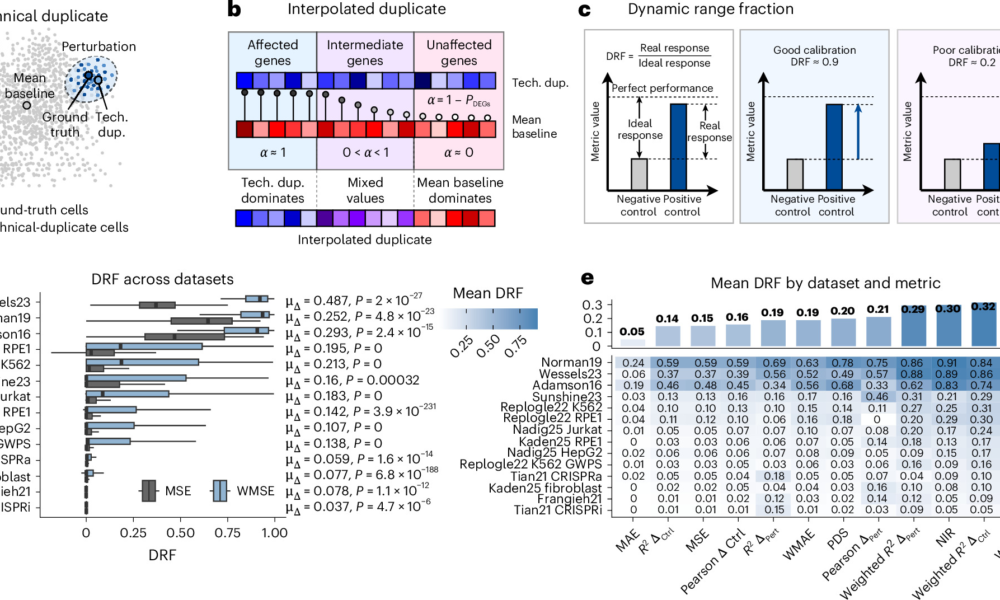
Deep learning perturbation models can outperform baselines on calibrated metrics
Nature Biotechnology, Published online: 01 October 2026; doi:10.1038/s41587-026-03307-wCalibration-aware evaluation of perturbation models shows that deep learning models can outperform baselines.
-

 AI, Machine Learning & Computational Biology4 weeks ago
Talus Bio’s Structure-Free AI Model Targets Unstructured Proteins in Their Native Cellular Context
Intrinsically disordered proteins have resisted structure-based drug discovery because they lack a stable fold to model. Talus Bio's structure-free AI model sidesteps that limitation, targeting these...
-


 AI, Machine Learning & Computational Biology4 weeks ago
BioMarin and Profluent partner on AI-designed enzyme therapies
Under the agreement, Profluent will deploy its proprietary suite of protein language models to generate new potential drug candidates. BioMarin will screen and evaluate the computational...
-


 AI, Machine Learning & Computational Biology4 weeks ago
Designing Peptide Screens to Generate Knowledge, Not Just Hits
The strongest binder from a primary screen is not necessarily the best drug starting point. Peptide discovery campaigns should capture molecular architecture, biological context, time, and...
-

 AI, Machine Learning & Computational Biology4 weeks ago
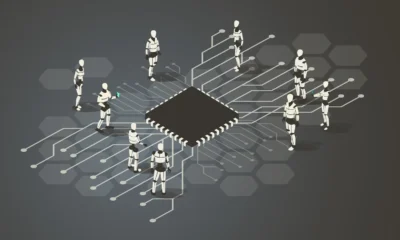
An AI agent made a tiny drug R&D mistake. Then it kept going.
The error points to a big question for pharma as AI gains autonomy and high-profile failures sharpen safety concerns: What happens when a wrong answer becomes...


Genmab’s cancer bispecific delivers early survival win in ‘exceedingly positive’ Phase 3 readout

Genmab’s cancer bispecific delivers early OS win in ‘exceedingly positive’ Phase 3 readout

STAT+: HHS moves to allow compounding of some unapproved peptides

Novartis buys Synnovation’s PI3Kα inhibitors for $3 billion
Novartis to pay $2B upfront to take next-gen PI3Kα inhibitor from Synnovation

