Uncategorized
Built Without Bacteria: Bringing Cell-Free Synthesis to the Bench

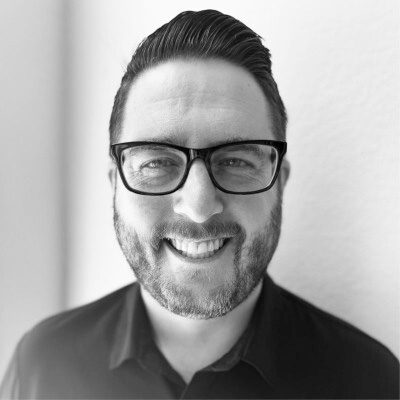
Matthew D. Youngblut, PhD
Co-founder and Chief Scientific Officer
Flock Bio
Panelist
Matthew D. Youngblut, PhD
Matthew Youngblut, PhD, is the co-founder and CSO of Flock Bio, where he leads the development of high-quality DNA library technologies for protein engineering, genetic medicines, crop science, and synthetic biology. His work focuses on solving the practical challenges that sit between library design and useful experimental data, including DNA synthesis, cloning bias, barcoding, library assembly, and NGS-based quality control. Prior to Flock Bio, Matthew worked across synthetic biology and DNA technology at companies including Ginkgo Bioworks and Twist Bioscience.
Matthew holds a PhD in chemistry from the University of Wisconsin-Milwaukee and has spent his career developing and applying high-throughput molecular biology technologies to make biological experimentation more scalable and quantitative.
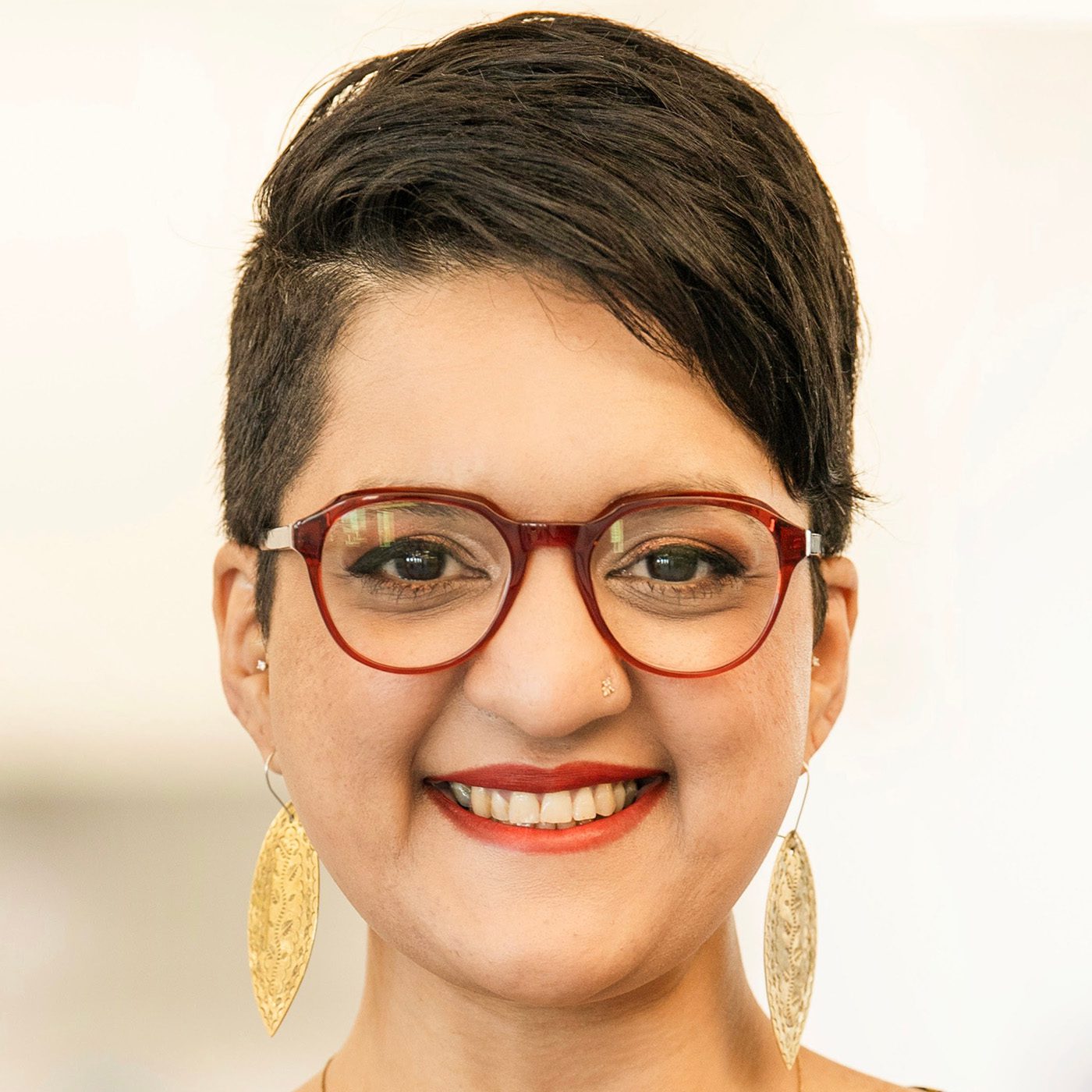
Divya Vijay Pratheek
Vice President of Product
Ribbon Bio
Panelist
Divya Vijay Pratheek
Divya Vijay Pratheek is the Vice President of Product at Ribbon Bio. She played a pivotal part leading the launch of the MiroMine product to ensure laboratories can access cell-free DNA synthesis at their bench. She previously had impactful roles at QIAGEN and various startups, where she led cross-functional teams and managed product portfolios and growth strategies for large portfolios across automation, reagents, and software.
Divya holds a BS degree in microbiology, zoology, and chemistry from Mount Carmel College, Bangalore, and an MS in Communications Science from North Carolina State University.
- Time:
Complex DNA workflows are often slowed by bacterial cloning, challenging genome sequences, and lengthy production cycles. A technology that brings cell-free DNA synthesis directly to the bench would give researchers an accessible, on-demand way to build high-fidelity DNA sequences without bacteria. Such an approach is now offered by Ribbon Bio’s MiroMineTM: this helps avoid bacterial contaminants such as endotoxins and host-cell DNA, while supporting complex or sensitive sequences that can be difficult to produce through conventional cloning.
In this GEN webinar, speakers from Flock Bio and Ribbon Bio will explore how bench-based, cell-free DNA production can complement expertise in custom DNA design and manufacturing. Drawing on applications including CRISPR screening, enzyme evolution, lineage tracing, and massively parallel reporter assays (MPRAs), they will discuss how MiroMineTM can reduce dependence on conventional cloning, shorten production cycles, and give researchers greater control and confidentiality. Attendees will learn how accessible cell-free synthesis can accelerate the path from design to experiment and enable cleaner, faster, and more flexible research workflows.
A live Q&A session will follow the presentations, offering you a chance to pose questions to our expert panelists.
Produced with support from:


The post Built Without Bacteria: Bringing Cell-Free Synthesis to the Bench appeared first on GEN – Genetic Engineering and Biotechnology News.