
Premium Intelligence
Partnership Intelligence Briefings

An obesity drug deep-dive, and peptides move mainstream
Can any of the new obesity medications in development stand out from the pack? Which company just broke records with its IPO? And will the Food and Drug Administration allow greater access to experimental peptides?
We discuss all that and more on this week’s episode of “The Readout LOUD,” STAT’s biotech podcast.
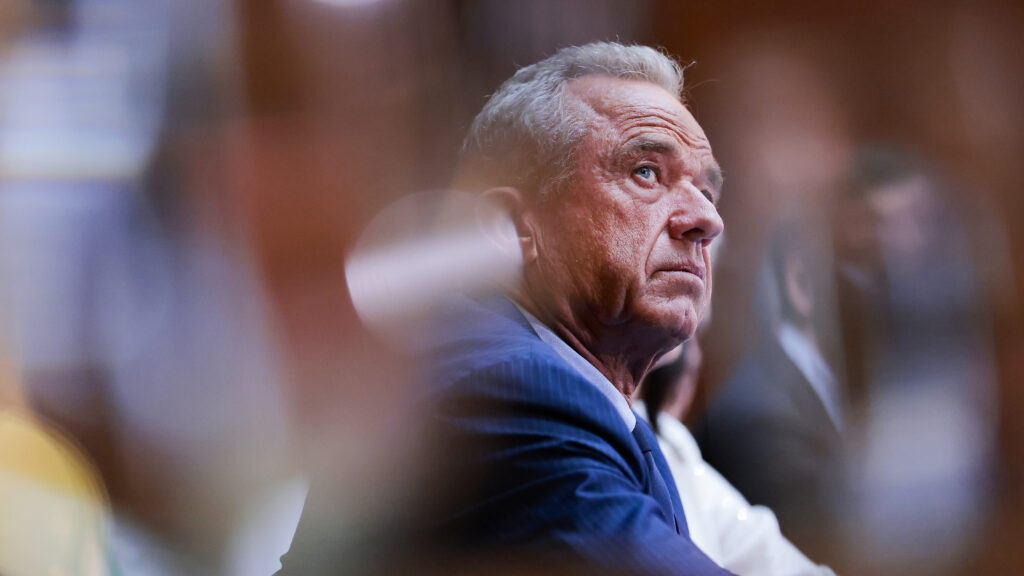
RFK Jr. claims his calendar is publicly available. We’ve been trying to get it for a year
WASHINGTON — Health secretary Robert F. Kennedy Jr. on Wednesday pointed to his “publicly available calendar” as an example of his commitment to transparency and to beat back unfavorable reporting.
But no such calendar, detailing who Kennedy meets with or how he spends his time, has been released by the administration. STAT has been asking the Department of Health and Human Services for Kennedy’s calendar for more than a year, via Freedom of Information Act requests and emails to the press office.

Nonprofit buys experimental cancer drug to maintain patient access
In a rare move, nonprofit organization Blood Cancer United announced Thursday it was buying the remaining supplies of Luvelta, a discontinued investigational cancer drug.
As part of the transaction, Blood Cancer United, previously known as the Leukemia & Lymphoma Society, will also acquire the investigational new drug designation and manage the compassionate-use program for children with a rare form of blood cancer, distributing the medication to patients at no cost while supplies last.
Potential Cocaine Addiction Targets Identified Through Genetic Mapping in Rats
New mRNA Delivery Platform Restores Muscle Function in DMD Models
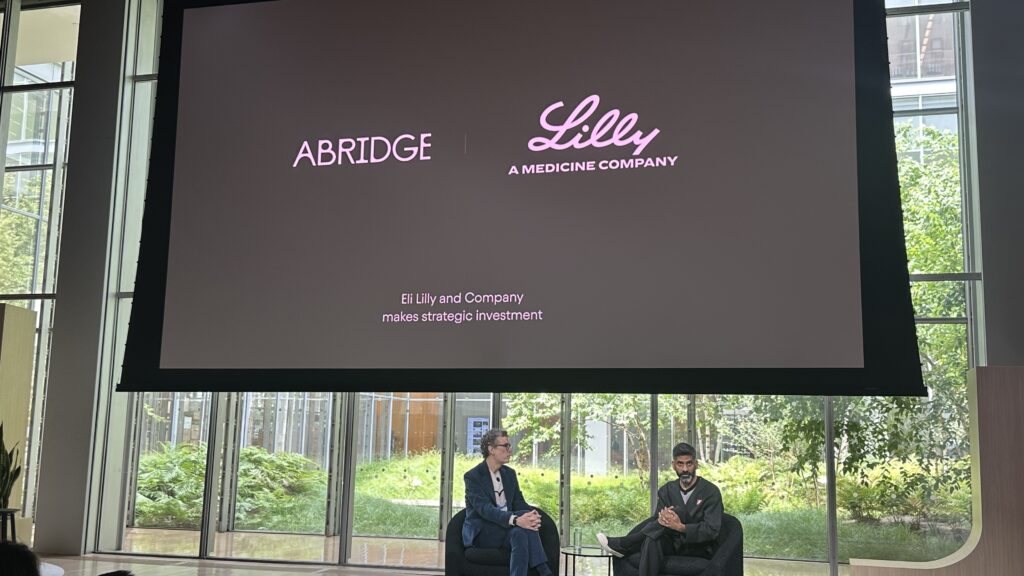
STAT+: Abridge inks deals with Nvidia and Lilly
NEW YORK — Health care artificial intelligence company Abridge on Thursday announced new deals with two trillion-dollar companies, pharma giant Eli Lilly and chipmaker Nvidia, as it aims to gain an edge in the competitive market that supports doctors and streamlines hospital billing and operations.
Draped head-to-toe in black, on a day forecast to be in the 90s, Abridge CEO Shiv Rao announced that Eli Lilly would make a strategic investment in the company. Abridge also announced a new partnership with Nvidia to develop “the first foundation model purpose-built for clinical conversations,” according to a release.
“Imagine you try to throw a generic AI model into healthcare.” Kimberly Powell, vice president and general manager of healthcare at Nvidia, said on stage during a keynote event. “It doesn’t understand the clinical language, it doesn’t have the clinical reasoning, and it surely doesn’t have the domain expertise of all of the long running tasks and interconnected work that has to happen for workflows to be completely transformed, and so if that is the case, that generic AI is just not going to work.”