
Uncategorized
Therapy-Resistant Residual Cancer Cell Dependencies Mapped

Cancer drugs can shrink fast-growing tumors. But sometimes a few tumor cells survive. These “persister” cells seed new tumors, forcing cancer patients into arduous cycles of testing and treatment. The problem is that persister cells are rare—as few as one in a thousand tumor cells—and they’re genetically identical to the tumor, which makes them hard to find. Plus, their tenacity can be temporary, and by the time a scientist can get them in a petri dish, the qualities that helped them survive may have faded.
To figure out how to beat them, researchers at the University of California, San Francisco (UCSF), built a robotic system that treats thousands of mini tumors at once in the laboratory. Their resulting ResMap platform lets scientists systematically identify, track, and treat surviving cells. The platform revealed shared features among persister cells that could help explain why cancer comes back—features that could be exploited by future drug therapies to beat them. “A few years ago, people were still asking whether persister cells were real,” said Xiaoxiao “Vany” Sun, PhD, an assistant researcher in the UCSF Department of Pharmaceutical Chemistry. “Now we can find them and test ideas for how to eliminate them.”
Sun is first author of the team’s published paper in Science Advances, titled “ResMap: A community resource for systematic mapping of therapy-persistent residual cancer cell dependencies across contexts,” stating, “ResMap establishes a foundation for coordinated community efforts to accelerate rational persister-directed combination strategies toward the clinic.”
Residual disease following targeted therapy remains a key challenge to achieving lasting responses in oncogene-driven cancers, the authors stated. Drug-tolerant persister cells, which the team describes as “subpopulations that survive initial therapy without stable genetic resistance,” can contribute to residual disease and seed tumor relapse. “Targeting drug-tolerant persister cells has emerged as an essential complement to oncogene-directed therapy, yet the field has lacked a unified framework to evaluate and prioritize candidate targets,” they wrote. “Understanding and targeting these cells have emerged as a promising strategy for achieving lasting therapeutic outcomes.”
Cancer cell persistence was first described in 2010, the authors explained, and studies have linked persister survival to different biological processes and resulted in “an expanding list” of candidate therapeutic targets. However, they noted, “… despite over a decade of research, no persister-directed therapy has reached clinical approval.”
For their reported study, the team gathered 94 drug candidates that other laboratories had flagged as potential persister therapies. They wanted to test each drug at different doses, on persisters from two types of lung cancer that had been treated with standard therapies. “As a testbed, we selected four lung cancer models: two with EGFR inhibitor osimertinib (EGFRi)–treated EGFRmut cell lines (PC9 and MGH134) and two with KRAS inhibitor sotorasib (KRASi)–treated KRASG12C cell lines (LU65 and MGH1138-1),” they wrote in summary. Each model was screened under normal oxygen and hypoxic conditions.
It would require 10,000 painstaking, week-long experiments—so they built a robotic platform to eliminate the labor and inconsistency of doing it by hand.
Thousands of miniature tumors sat in stacks of 384-well plates inside controlled incubators. A robotic arm, like those used in pharmaceutical drug screening, moved the plates between experimental stations. One station used sound waves to deposit tiny, precise doses of drug onto each tumor (first, a lung cancer therapy; then, an experimental persister therapy). Other stations stained the tumors with antibodies and took microscopic images of each tumor or group of persisters.
The overall ResMap platform incorporated multiple components, the team explained. “… we developed the ResMap platform incorporating four integrated components: an automated high-throughput workflow, machine learning-based normalization, a persistence-specific metric, and a validated framework.”
Their results showed that of the tested drugs, nine consistently weakened persister cells. The findings suggest that persister cells may share common vulnerabilities, even if they had emerged under different treatment conditions. “Initial screening identified 12 targets with conserved anti-persister activity across genotypes and oxygen environments; follow-up validation reproduced nine of these targets and revealed variable degrees of persister specificity relative to general cytotoxicity.” The investigators suggested that, “Collectively, these findings suggest that although persister biology involves multiple adaptive programs, targeting individual, well-chosen survival pathways may be sufficient to meaningfully reduce residual disease burden.”
Steve Altschuler, PhD, professor of pharmaceutical chemistry at UCSF and co-senior author of the paper, said, “We expected each tumor to behave as its own special case. Instead, we found patterns that held up across many different samples, suggesting there may be underlying rules that can help predict which therapies are most likely to work.”
The team plans to expand the platform to include more tumor types and treatment conditions. They hope the resulting dataset will be a resource to help researchers eliminate persister cells before they can give rise to drug-resistant disease. “ResMap provides a community resource for coordinated validation efforts and rational combination design aimed at minimizing residual disease following anticancer therapy,” they stated.
The post Therapy-Resistant Residual Cancer Cell Dependencies Mapped appeared first on GEN – Genetic Engineering and Biotechnology News.

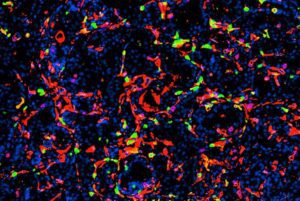
Ultrasmall fluorescent core‑shell silica nanoparticles—best known for their roles in medical imaging applications—are now showing surprising therapeutic muscle. Originally engineered as inert carriers for imaging agents, these particles, called Cornell Prime dots (C’ dots), have steadily expanded their résumé. In a new preclinical study, researchers at Weill Cornell Medicine report that these engineered silica nanoparticles can directly kill prostate tumor cells while reawakening antitumor immunity, offering a potential new edge in a disease where immunotherapy has historically struggled.
Prostate cancer remains one of the most immunologically “cold” solid tumors, with myeloid‑driven immune suppression, metabolic bottlenecks, and stromal remodeling that blunt the effects of checkpoint blockade. The new work suggests that C’ dots—when targeted to prostate‑specific membrane antigen (PSMA)—can break through these layers of resistance by triggering ferroptosis, remodeling the tumor microenvironment, and priming tumors for combination immunotherapy.
“We’re very encouraged by these results; a treatment that directly induces tumor‑cell death while transforming the immune microenvironment, as this does, would represent a new clinical paradigm,” said senior author Michelle Bradbury, MD, PhD, the endowed professor of imaging research in radiology and director of the Molecular Imaging Innovations Institute at Weill Cornell Medicine and a neuroradiologist at NewYork-Presbyterian/Weill Cornell Medical Center.
The study, published in Cancer Research and titled “Reprogramming of TLR–Ferroptosis Signaling and Immunometabolic Pathways Overcomes Myeloid Suppression to Improve Checkpoint Blockade in Prostate Cancer,” shows that the silica particles accumulate in prostate tumors and push cancer cells toward ferroptosis, a form of iron‑dependent cell death driven by runaway lipid peroxidation. Although the particles were originally designed for imaging, the team found that they often pick up positively charged iron ions in the bloodstream and shuttle them into tumor cells—effectively turning the particles into catalytic seeds for oxidative collapse.
At the same time, the nanoparticles reshape the immune landscape. T cells, macrophages, and other immune populations shift from inert or suppressive states into robust antitumor activity, converting cold tumors into hot ones. “One of the most intriguing aspects of this work is the convergence of direct tumor cell killing with broad immune remodeling,” said co‑author Jedd Wolchok, MD, PhD, the Meyer director of the Sandra and Edward Meyer Cancer Center, professor of medicine at Weill Cornell Medicine, director of the Parker Institute for Cancer Immunotherapy at Weill Cornell Medicine Meyer Cancer Center, and an oncologist at NewYork-Presbyterian/Weill Cornell Medical Center.
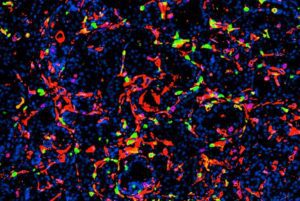
The therapeutic impact was most striking in survival experiments. C’ dots alone modestly extended survival in aggressive mouse models, as did checkpoint blockade alone. But the combination produced complete or near‑complete remissions in 40% of mice. Adding CSF‑1R blockade increased complete remissions to 50%.
The researchers’ next steps include continuing to explore these ultrasmall core-shell silica particles, setting the stage for the platform’s translational potential.
“By creating conditions that support a more effective antitumor immune response, these particles may help unlock the full potential of immunotherapy in prostate cancer, where durable responses have historically been difficult to achieve,” added Wolchok.
The post Silica Nanoparticles Induce Ferroptosis, Reprogram Immunity in Prostate Cancer Models appeared first on GEN – Genetic Engineering and Biotechnology News.
Uncategorized
When Process Design Fails: 5 Common Planning Gaps That Create Downstream Purification Bottlenecks

Panelists

Victoria Hepworth
Product Manager
Greenfield Global
Panelist
Victoria Hepworth
With over a decade of hands-on experience in the biopharmaceutical industry, Victoria specializes in the design and implementation of ready-to-use solutions and single-use consumables supporting downstream purification processes. She brings a strategic, highly collaborative approach to problem-solving, partnering closely with cross-functional teams to deliver scalable improvements that enhance operational efficiency and drive successful results.
Victoria is passionate about building strong team environments, supporting diverse learning styles, and applying data-driven decision-making to optimize performance across the process lifecycle.

Cole Cordes
Head of Manufacturing,
Supply Chain and MSAT
Bionova Scientific
Panelist
Cole Cordes
With more than 30 years of leadership experience in the biopharmaceutical and life sciences industries, Cole specializes in manufacturing operations, supply chain strategy, and MSAT across the product lifecycle. He brings a strategic, results-driven approach to operational excellence, partnering with cross-functional teams to optimize manufacturing performance, strengthen supply reliability, and support successful commercialization.
Cole is passionate about building high-performing organizations, developing talent, and leveraging data-driven decision-making to drive continuous improvement, scalability, and business growth.
- Time:
Downstream bottlenecks often stem from early process design decisions that fail to fully account for scale, variability, and the manufacturing realities of therapeutic modalities such as monoclonal antibodies.
As upstream titers rise and novel modalities introduce added complexity, these early oversights can force reactive workarounds that impact throughput, cost, and product quality. By taking a more deliberate and forward-looking approach, teams can reduce downstream risk and build processes that are better equipped for manufacturing scale.
In this GEN webinar, our speakers will examine five common planning gaps that can contribute to bottlenecks, including single-source material dependency, raw material pack size selection, sensitive buffer designs, and single-use systems designed without realistic failure modes. Using real-world MSAT and tech transfer examples, they will illustrate how, when overlooked, these drivers can lead to deviations, safety risks, and longer cycle times—and how to proactively address them. The webinar explores practical strategies that can help evaluate materials, buffer systems, and consumables through a scale‑ready lens—helping teams build more robust purification processes and avoid these common bottlenecks.
A live Q&A session will follow the presentation offering you a chance to pose questions to our expert panelists.
Produced with support from:

The post When Process Design Fails: 5 Common Planning Gaps That Create Downstream Purification Bottlenecks appeared first on GEN – Genetic Engineering and Biotechnology News.
Flu shots reduce hospitalizations and deaths for the roughly one billion people worldwide that get the flu each year. But they are less effective when the vaccine strains don’t closely match the viruses circulating in the community. Today’s vaccines are made months in advance of the flu season due to a long manufacturing process. When projections are off, strain mismatch can reduce the efficacy of the flu vaccines from about 60% (in a good year) down to 19%. A broader immune response could translate to a more effective vaccine even when the virus is changing faster than vaccine makers can update their shots.
Now, an investigational mRNA influenza vaccine, developed by Moderna, helps the immune system recognize a wider range of influenza viruses than today’s standard flu shot, offering stronger and potentially longer-lasting protection. The vaccine is currently under review by the U.S. Food and Drug Administration and, if approved, would be the first mRNA vaccine against influenza.
The findings are published in Nature Immunology in the paper, “mRNA-based influenza vaccine expands the breadth of the B cell response in humans.”
“We are seeing that the mRNA flu vaccine doesn’t just boost the immune system’s response to what it has already seen, it can help expand and diversify the antibody response, covering a broader range of flu strains,” said Ali Ellebedy, PhD, professor in the department of pathology and immunology at WashU Medicine. “If we can make flu immunity broader and more durable, that could mean fewer hospitalizations and deaths, which translates into a major impact on public health.”
In a separate Phase III clinical trial, Moderna found that its mRNA-based flu vaccine reduced the risk of illness by 26.6% more than the standard flu vaccine in older adults. Seeking to understand possible causes of this improved protection, the new study examined how immune responses to the mRNA-based flu vaccine differ from those of the standard vaccine.
The researchers followed 75 adults ages 20 to 50 over either the 2022-2023 flu season or the 2023-2024 flu season. About half received the investigational mRNA vaccine (mRNA-1010). The other half got Fluarix, an approved flu shot containing inactivated influenza viruses. Both vaccine platforms targeted the same strains recommended by the World Health Organization for the two flu seasons.
Analyzing blood samples, the researchers found a stronger immune response in participants who received the mRNA vaccine compared with participants who received the standard flu shot. Specifically, those given the mRNA vaccine produced more flu-specific antibodies and more flu-specific memory B cells.
“Influenza is constantly evolving to evade our immune system,” said Hanover Matz, PhD, a postdoctoral research associate working in Ellebedy’s laboratory. “But if we can develop vaccines that activate diverse B cells that target a broad portfolio of flu viruses, we have a better chance of avoiding strain mismatches and potentially even reducing the frequency with which the vaccine is needed.”
To investigate the vaccine’s ability to diversify B cells, the researchers studied germinal centers—where B cells improve their ability to recognize the virus and generate slightly different versions of themselves—in a subset of participants. It had not been previously understood if mRNA-based influenza virus vaccines can induce a superior germinal center (GC) response.
Among 13 people receiving the mRNA flu vaccine, five developed flu-specific germinal center responses in the lymph nodes that persisted for the 26 weeks of the study. In contrast, persistent immune responses were not seen in the 15 participants who received the traditional flu shot.
In addition, from four weeks after vaccination until the six-month mark, antibodies from mRNA vaccine recipients recognized and bound to many diverse flu strains across many decades of viral evolution, especially those known to cause the most widespread illness. Antibodies from standard vaccine recipients bound to fewer divergent virus strains.
These findings, the authors note, reveal a key role for persistent GC responses in broadening the repertoire of vaccine-induced antibodies. “We are seeing that the mRNA flu vaccine is driving strong, persistent germinal center responses,” said Ellebedy. “This can broaden the antibody response and better arm the immune system against an ever-changing virus.”
The post mRNA Flu Vaccine Shows Stronger, Longer-Lasting Immune Response appeared first on GEN – Genetic Engineering and Biotechnology News.


Illinois’ financial crisis could bring the state to a halt
The final 6 ‘Game of Thrones’ episodes might feel like a full season
New Season 8 Walking Dead trailer flashes forward in time
Mod turns ‘Counter-Strike’ into a ‘Tekken’ clone with fighting chickens
Meet Superman’s grandfather in new trailer for Krypton
Disney’s live-action Aladdin finally finds its stars
Therapy-Resistant Residual Cancer Cell Dependencies Mapped

Silica Nanoparticles Induce Ferroptosis, Reprogram Immunity in Prostate Cancer Models

When Process Design Fails: 5 Common Planning Gaps That Create Downstream Purification Bottlenecks
mRNA Flu Vaccine Shows Stronger, Longer-Lasting Immune Response
ZoBio Introduces DNA-Encoded Library Service for Exploratory Drug Discovery Programs

STAT+: FDA approves Colorado’s plan to import cheaper drugs from Canada
Illinois’ financial crisis could bring the state to a halt
The final 6 ‘Game of Thrones’ episodes might feel like a full season
New Season 8 Walking Dead trailer flashes forward in time
Mod turns ‘Counter-Strike’ into a ‘Tekken’ clone with fighting chickens
Meet Superman’s grandfather in new trailer for Krypton
Disney’s live-action Aladdin finally finds its stars
-
 Uncategorized9 years ago
These ’90s fashion trends are making a comeback in 2017
-
Uncategorized9 years ago
According to Dior Couture, this taboo fashion accessory is back
-
Endpoints News3 months ago
Novartis to pay $2B upfront to take next-gen PI3Kα inhibitor from Synnovation
-
Uncategorized9 years ago
Phillies’ Aaron Altherr makes mind-boggling barehanded play
-
Uncategorized9 years ago
Uber and Lyft are finally available in all of New York State
-
Contributors9 years ago
The final 6 ‘Game of Thrones’ episodes might feel like a full season
-
Uncategorized9 years ago
Steph Curry finally got the contract he deserves from the Warriors
-
Uncategorized9 years ago
The old and New Edition cast comes together to perform