

Uncategorized
Single-Cell Striatum Atlas Reveals Neurological Disorder Vulnerabilities

The striatum, a brain region involved in movement, decision-making, habit formation, and reward processing, is also implicated in some of the most difficult-to-treat neurological and psychiatric disorders, including Huntington’s disease, schizophrenia, depression, and substance use disorder. Now, MIT researchers have created a single-cell atlas of the striatum that could help explain why particular neuronal populations are vulnerable in different diseases and potentially point toward more targeted drug strategies.
The study, published in Cell, is titled “Cross-species single-cell atlas of the striatum defines cell type and subregion disease vulnerabilities.” The team used single-nucleus RNA sequencing across 109 human and 22 mouse samples spanning the dorsal and ventral striatum, together with spatial transcriptomics and multiplexed fluorescent in situ hybridization, to map cellular and molecular specialization across the region.
The researchers focused in part on medium spiny neurons, the most abundant neuronal cell type in the striatum. These inhibitory neurons are often divided into two major pathways: a direct pathway that helps promote movement and an indirect pathway that suppresses unwanted movement. But prior studies had suggested that the striatum contained many additional subpopulations, particularly in ventral regions, without a clear consensus on how those cells should be classified.
By profiling postmortem striatal tissue samples from brain banks in the United States and Canada, the MIT-led team identified 31 neuronal subpopulations, including nine types of medium spiny neurons. The atlas revealed two “outlier” populations with potential relevance to neuropsychiatric disease. One, known as D1 outliers, showed high expression of genes involved in substance use disorder, including genes related to opioid response. Another, D2 outliers, showed high expression of genes that respond to antidepressants. Both populations also appeared to respond strongly to the antipsychotic drug clozapine, which is used to treat schizophrenia.
The atlas also helped clarify why the dorsal striatum is especially vulnerable in Huntington’s disease, which is caused by an inherited expansion of CAG repeats in the huntingtin gene. The researchers found that dorsal medium spiny neuron populations expressed higher levels of MSH2 and MSH3, genes involved in increasing CAG repeat length. As those repeats accumulate, the mutant huntingtin protein becomes more toxic to cells.
In contrast, a rare population of medium spiny neurons forming island-like structures in the ventral striatum appeared more resistant to CAG repeat accumulation. “Looking at the genes that these neurons express or don’t express might give us some clues as to how to make other medium spiny neurons resilient like them,” said Myriam Heiman, PhD, the Picower Professor of Neuroscience and director of MIT’s Picower Institute for Learning and Memory.
Comparisons between human and mouse samples further showed that some disease-relevant features of the human ventral striatum may not be fully captured in standard rodent models. For example, OPRM1, which encodes the mu opioid receptor, was highly expressed in the human D1 outlier population but not in corresponding mouse neurons. “Some of the diversity we’re seeing in the human ventral striatum is species-specific and has implications for modeling substance use disorder in rodents,” Heiman said.
Taken together, the findings provide a cellular roadmap of the striatum and its disease-linked vulnerabilities. The authors wrote that the work “lay[s] the foundation for understanding how striatal cell types and subregions contribute to brain function and neurological disorders,” offering a resource for researchers studying Huntington’s disease, substance use disorder, schizophrenia, and related conditions.
“We see this as the foundation that will allow more studies in our Huntington’s disease and opioid use disorder projects. We needed a roadmap of what is there,” added Heiman.
The post Single-Cell Striatum Atlas Reveals Neurological Disorder Vulnerabilities appeared first on GEN – Genetic Engineering and Biotechnology News.

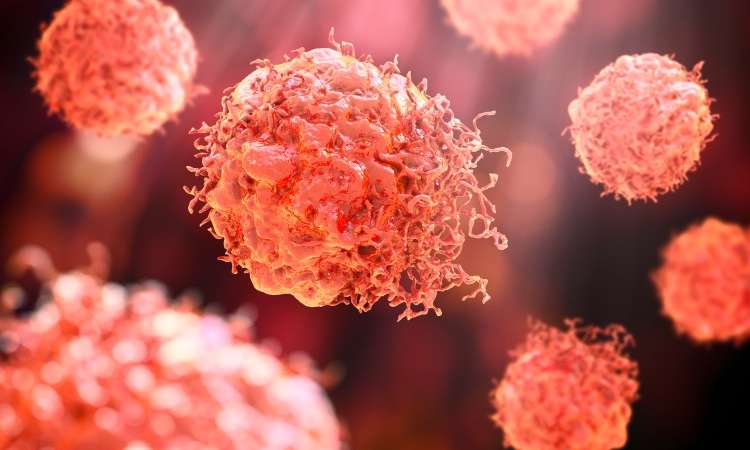

Hosted by Drug Discovery World and supported by Sartorius and BioIVT, this webinar will explore the opportunities and challenges that exist within cancer research drug discovery and development.
You will hear from Dr Sudha Rao, Chief Scientific Officer of Kazia Therapeutics, Karol Budzik, PhD, Business Development Associate at Vyriad Therapeutics and Lars van der Veen, Chief Scientific Officer at iOnctura.
Presentations will cover how cancer treatments have shifted towards reprogramming the biology driving tumour growth, immune escape and treatment resistance, the trajectory that in vivo CAR-T treatments are taking, and how challenging tumours burdened by stroma and immune-mediated resistance can be tackled.
Q&A with the speakers follows the presentations.
The post New webinar: Tackling drug discovery challenges in cancer research appeared first on Drug Discovery World (DDW).
Amid the rise of psychedelics in the mental health space, researchers have begun to explore psilocybin as a treatment for chemotherapy-induced peripheral neuropathy.
Uncategorized
New Spectrometry Technique Could Aid Formulation Development
New Spectrometry Technique Could Aid Formulation Development
A new technique combining two forms of spectrometry could help biopharmaceutical companies improve their choice of formulation buffer for antibody manufacturing by revealing how molecular forms and three-dimensional shapes of complex biologics respond to their environment. That’s the view of Christian Bleiholder, PhD, a professor at Florida State University who helped develop the technique.
According to Bleiholder, what happens structurally when a complex biological molecule, such as an antibody or viral spike protein, binds to its target is currently poorly understood.
“This is where [this approach] can help with the bioprocessing and formulation,” he says, as structural changes “can affect the lifespan [of the product] and lead to issues, such as aggregation.”
Because antibodies are complex, existing techniques tend to be powerful at different levels of complexity, he explains. Mass spectrometry is particularly powerful for distinguishing molecular composition, while structural approaches such as X-ray crystallography and cryo-electron microscopy can provide high-resolution structural information.
The challenge is understanding the link between these things within a heterogeneous sample, he says.
To overcome this, Bleiholder and his team worked with Bruker Daltonics to develop Tandem-Trapped Ion Mobility Spectrometry (Tandem-TIMS). This combines tandem ion mobility spectrometry with tandem mass spectrometry to disentangle three overlapping layers of molecular complexity: molecular form, three-dimensional shape, and binding or assembly state, he says.
He explains that, if the proteins have different structures, they can be characterized with tandem ion mobility spectrometry, and then mass spectrometry can be used to look at their molecular forms and binding states.
Going forward, Bleiholder hopes the technique can be used for formulation development but also earlier, during drug discovery of new products, such as multi-specific antibodies, to determine which molecular states are important and how those change when a biologic engages its target. He also plans to look at automating the technique.
Bleiholder spoke about using Tandem-TIMS at the Bioprocessing Summit in Boston earlier this year.
The post New Spectrometry Technique Could Aid Formulation Development appeared first on GEN – Genetic Engineering and Biotechnology News.


Carbon Dots Emerge as a Powerful Weapon Against Superbugs and Biofilms

Your Zip Code May Shape Your Breast Cancer Tumor’s Genetics and Your Survival Odds

Azithromycin Resistance in Gonorrhea Shifts Genetic Ground, Challenging Molecular Surveillance

Tomato Gene SlXTH3 Opens the Door for Devastating Bacterial Wilt Pathogen

Considerations for Potential Future Therapeutic Use of Psychedelic Drugs Public Hearing – 09/14/2026

Takeda’s Plump, GV’s Yeshwant announce retirement plans
-
Fierce Biotech6 months ago
Scientists turn pig semen extract into eye drops that kill cancer in mice
-
Endpoints News6 months ago
Novartis to pay $2B upfront to take next-gen PI3Kα inhibitor from Synnovation
-

 Uncategorized6 months ago
Novartis buys Synnovation’s PI3Kα inhibitors for $3 billion
-
Nature Biotechnology6 months ago
Sustained nitric oxide production by engineered E. coli remodels the tumor microenvironment and potentiates immunotherapy
-
 Uncategorized4 months ago
Optical Pooled CRISPR Screen Reveals Regulators of NF-κB Dynamics in Human Cells
-
Uncategorized4 months ago
Relay’s PI3Kα inhibitor clears efficacy bar in Phase 2 vascular anomalies study
-

 STAT News – Biotech6 months ago
STAT+: In private meetings, White House works to win pharma companies’ support for drug pricing bill
-
Nature Biotechnology6 months ago
Mapping cis-regulatory mutations at scale in sorghum enables modulation of gene expression
 Scan to Read