
Uncategorized
Regenerative Medicine: Promise, Hype, and What Actually Works


From stem cells to platelet-rich plasma, regenerative medicine is often positioned as the future of healthcare. But not all approaches deliver on that promise. As interest grows, so do questions regarding what actually works. GEN’s Editor in Chief John Sterling spoke with Thomas Buchheit, MD, founder and medical director of the Triangle Regen Medicine and Biologics Center in Chapel Hill, NC, in relation to the science, the hype, and the realities shaping the field today.
GEN: How do you define regenerative medicine?
Buchheit: Many people think of regenerative medicine as growing new organs, but I define it more broadly as any therapy that improves tissue health or function. With that definition, we can include platelet-rich plasma (PRP), stem cells, and autologous conditioned serum (ACS). These approaches aim to enhance tissue health and improve function.
GEN: The field is promising, but also sometimes criticized as overhyped. Which areas deserve that criticism, and which have gained credibility through clinical validation?
Buchheit: Some criticism is valid, especially around stem cells. We’ve all seen claims over “miracle” stem cells that regrow cartilage. In reality, while these cells can be therapeutic, they typically don’t survive long after injection. Instead, they work by activating the body’s immune-based healing mechanisms. They can improve tissue health, but they’re not the miracle cures they were once portrayed to be.
On the other hand, therapies like PRP and ACS have gained credibility when properly applied and studied, particularly in musculoskeletal conditions.
GEN: How do you incorporate regenerative medicine into your practice?
Buchheit: I focus on patient function—what people can do now and what they want to achieve. Then tailor therapies accordingly. I prioritize treatments with strong evidence. One example is ACS, also known as the Regenokine* program. It’s highly standardized and supported by over 20 years of research in osteoarthritis, sciatica, and radiculopathy.

I also use PRP, which can be effective, but only when properly dosed. That’s been a major challenge since there are many ways to prepare PRP. We now know that dose matters. For example, treating knee osteoarthritis typically requires close to 10 billion platelets. At our clinic, we measure platelet counts before and after preparation to ensure accuracy, something often not done enough or at all.
GEN: Where did these approaches originate, and how widely are they used?
Buchheit: ACS originated in Germany in the 1990s with Dr. Peter Wehling. It was initially developed as an alternative to steroids for treating sciatica. The process involves incubating whole blood under controlled conditions, which stimulates the release of anti-inflammatory proteins, growth factors, and exosomes.
It became popular as patients, including athletes, traveled to Germany for treatment. Today, it’s available in the United States, though still more common in Europe. We now better understand how it works. Our research shows that exosomes play a key role in long-term benefits. If you remove them, effectiveness drops significantly.
GEN: Your new book Healing Joints and Nerves—who is it for?
Buchheit: It’s written for patients and a broad audience. I focused on authoring a book on regenerative medicine based on scientific accuracy and depth. I wanted to create a resource that explains these therapies clearly and truthfully—what they can and cannot do. It took over six years to complete. The book covers the history of stem cells and concludes with ACS, including both research and my personal experience with it as an avid runner and bicycle rider.
GEN: You often mention “good” vs. “bad” inflammation. What’s the difference?
Buchheit: Chronic inflammation is harmful. It damages tissue, drives pain, and contributes to diseases like osteoarthritis. But acute, controlled inflammation is essential for healing. It triggers the body’s repair processes. Exercise is a good example. It creates cycles of inflammation and recovery that make us stronger. Regenerative therapies aim to harness this same mechanism.
Interestingly, suppressing inflammation too aggressively can backfire. Studies show that patients who take anti-inflammatories after acute injuries may have a higher risk of chronic pain. Repeated steroid injections can also worsen joint damage over time.
GEN: Does all PRP work for osteoarthritis?
Buchheit: No. PRP must contain a sufficient platelet dose to be effective. Research shows that below approximately three billion platelets, it’s unlikely to work. Above four billion, effectiveness improves, and near 10 billion provides optimal results.
A practical tip: patients should ask how much blood is drawn. If only 10 mL is used to produce PRP, it’s mathematically impossible to achieve a high dose. Proper preparation typically requires 60–120 mL. Patients should also ask whether platelet counts are measured.
GEN: Please talk a bit more about Regenokine.
Buchheit: The program is based on ACS, enhanced through a controlled incubation process. This stimulates cells to release anti-inflammatory proteins, growth factors, and exosomes. Treatment typically takes roughly a week. Patients often come to the clinic for that duration. We’ve seen strong results in osteoarthritis and spine conditions, especially in patients who haven’t responded to other treatments, including stem cells.
GEN: What about safety, efficacy, and durability of results?
Buchheit: Outcomes vary by patient, but the primary goal is restoring function—whether that’s walking a dog or running a marathon. My approach is to stay as evidence-based as possible. That’s critical in a field where there is some overpromise or poorly validated treatments.
There are real concerns regarding product quality, sourcing, and transparency in some parts of the market. We need to know exactly what we’re using, how it works, and what evidence supports it. That’s how regenerative medicine will continue to advance responsibly.
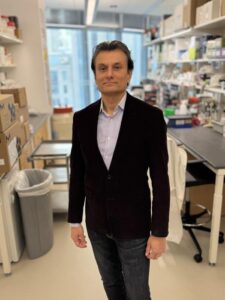
Thomas Buchheit, MD, founded the Triangle Regen Medicine and Biologics Center in Chapel Hill, NC, to bring a range of regenerative therapies to patients. He now serves as an adjunct associate professor at Duke and continues to work with scientists at the Center for Translational Pain Medicine.
Buchheit began studying nerve injury pain and served as chief of pain medicine at Duke University Medical Center. He investigated the immune basis of pain relief following injury and the mechanisms behind regenerative therapies, including platelet-rich plasma, stem cells, and autologous conditioned serum. He has led several studies funded by the NIH and the Department of Defense.
*Regenokine was developed by Peter Wehling, MD, in Germany, originally in the 1990s. It utilizes a patient’s own blood to create a serum rich in anti-inflammatory proteins, particularly the interleukin 1 receptor antagonist (IL-1Ra), which helps reduce inflammation and promote healing in joints and tendons. The treatment is used for conditions like osteoarthritis and has gained popularity among athletes seeking pain relief. While it has shown promise in small studies, it is not yet FDA-approved and is not covered by insurance in the United States.
The post Regenerative Medicine: Promise, Hype, and What Actually Works appeared first on GEN – Genetic Engineering and Biotechnology News.

Uncategorized
Diabetes Drug Metformin’s Blood Glucose-Lowering Effects Tied to Action on Gut Cells
Diabetes Drug Metformin’s Blood Glucose-Lowering Effects Tied to Action on Gut Cells
For decades, physicians and scientists have thought that metformin, a biguanide drug that is prescribed for millions of people worldwide for type 2 diabetes (T2D), mainly targets the liver to suppress glucose production. A Northwestern University-led study in mice has now found that this “wonder drug” instead acts primarily on the gut, and prevents glucose levels from rising in the blood by driving glucose utilization inside cells lining the intestine.
The research found that metformin slows mitochondrial energy production in gut cells by inhibiting mitochondrial complex I in the intestinal epithelium. This then “co-opts” the intestines to function as a glucose sink, forcing the intestine to metabolize extra sugar. The study also found that another biguanide drug, phenformin, and the structurally unrelated supplement berberine, which is known as “nature’s Ozempic,” appear to engage the same pathway in the gut as does metformin.
The preclinical findings could help to explain several gut-related clinical effects in people who take metformin and suggest that modulating mitochondrial metabolism in the gut may represent an effective strategy for controlling blood sugar. “Metformin essentially helps the intestine suck the glucose out of the bloodstream, which further highlights that the gut plays a major role in regulating blood sugar levels,” said corresponding author Navdeep Chandel, PhD, professor of biochemistry and molecular genetics at Northwestern University Feinberg School of Medicine.
Chandel is senior and co-corresponding author of the researchers’ published paper in Nature Metabolism, titled “Metformin inhibits mitochondrial complex I in intestinal epithelium to promote glycaemic control.” Chandel is also the David W. Cugell, MD, Professor of Medicine (Pulmonology and Critical Care), Biochemistry and Molecular Genetics, and an investigator with the Chan Zuckerberg Initiative. The study’s first author is Zach Sebo, PhD, a postdoctoral fellow in the Chandel lab who will soon start his own research group at the University of Kansas School of Medicine.
Metformin is the most widely prescribed medication for type 2 diabetes and the biguanide class drug approved by the FDA, the authors wrote. However, they noted, “Despite its extensive use, the mechanisms underlying its clinical effects, including attenuated postprandial glucose excursions and elevated intestinal glucose uptake, remain unclear.”
The body relies on glucose as a fast and versatile fuel, but too much glucose can lead to insulin resistance and ultimately damage blood vessels and organs. The newly reported study builds on findings from previous work in Chandel’s lab, which found that metformin lowers blood sugar by blocking a specific part of the cell’s energy-making machinery, mitochondrial complex I, a key enzyme in cellular respiration. The research reported in Nature Metabolism extends that work by pinpointing the specific tissue targeted by metformin.
The study used a mouse model genetically engineered to express a yeast enzyme (NDI1) that mimics mitochondrial complex I but is resistant to inhibition by metformin. By expressing NDI1 specifically in intestinal cells, those gut cells resisted metformin’s effects. In these mice, the drug’s ability to lower blood glucose was significantly reduced, demonstrating that inhibition of mitochondrial complex I in the gut is a key driver of its therapeutic action. “In this study, we show how metformin exerts multiple clinical effects through selective inhibition of mitochondrial complex I in the intestinal epithelium,” they wrote.
Metformin is currently the only FDA-approved biguanide drug, but the team found that another biguanide, phenformin, which had previously been used to control blood glucose but was then withdrawn, also lowered blood glucose through the same mechanism. The findings suggest that directing drugs or supplements to the gut could be an effective strategy for controlling blood sugar, Chandel said. Sebo added, “Our study suggests that revisiting assumptions about metformin’s mechanism may offer a more detailed understanding of how it works.”
The study revealed unexpected parallels with berberine, a popular plant-derived OTC supplement that is often used to control blood sugar. Berberine has recently gained attention on social media as “nature’s Ozempic,” though experts caution that evidence is still limited, and it should not be used as a substitute for approved medications. The study by Chanel and colleagues has now found that berberine appears to engage the same pathway as metformin in the intestine. “Thus, we identify mitochondrial complex I in intestinal epithelium as a shared and essential therapeutic target for metformin, phenformin, and berberine,” the authors stated.
“Metformin has decades of clinical evidence behind it, whereas supplements like berberine are far less rigorously tested,” Chandel said. “If you’re going to use berberine, you may as well use the real deal.”
The study results may help to explain clinical observations among people who take metformin. According to Chandel, individuals who take metformin tend to have lower blood sugar after meals, and the study suggests that metformin turns the gut into a “sponge” that soaks up extra sugar. Individuals taking metformin also tend to have lower levels of circulating citrulline, which is made only by mitochondria in small intestine cells. If metformin inhibits mitochondria, citrulline production drops. Taking metformin also increases levels of GDF15, a hormone linked to reduced appetite and weight loss. The gut senses energy stress and sends out GDF15, which tells the brain to eat less and adjust metabolism.
“In addition to enhanced intestinal glucose utilization and blood glucose clearance, this mechanism accounts for metformin-induced citrulline depletion, improved postprandial glycaemia, and elevated lactoyl-phenylalanine (Lac-Phe) and growth differentiation factor 15 (GDF15) levels—all of which are definitive clinical outcomes caused by metformin treatment,” the authors wrote in summary.
“People have always wondered how one drug can do 10 things,” Chandel said. “Well, it can do that if the drug is hitting a big node in a cell, and hitting mitochondria in a cell is a big node. So, if you can get into those cells and inhibit mitochondria, it’s going to have huge effects.”
The post Diabetes Drug Metformin’s Blood Glucose-Lowering Effects Tied to Action on Gut Cells appeared first on GEN – Genetic Engineering and Biotechnology News.

NEW YORK — No quick dispatching of disease investigators. No televised news conference to inform the public. No timely health alerts to doctors.
In the midst of a hantavirus outbreak that involves Americans and is making headlines around the world, the U.S. government’s top public health agency, the Centers for Disease Control and Prevention, has been uncharacteristically missing in action, according to a number of experts.
Uncategorized
Opinion: Dr. Glaucomflecken wants the corporatization of medicine to be national news
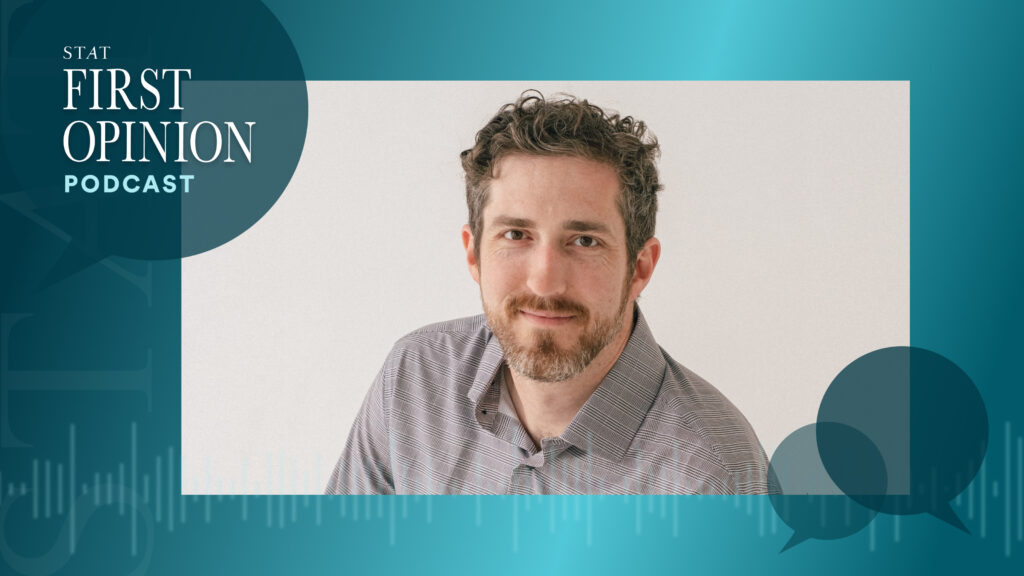
Below is a lightly edited, AI-generated transcript of the “First Opinion Podcast” interview with Will Flanary, aka Dr. Glaucomflecken. Be sure to sign up for the weekly “First Opinion Podcast” on Apple Podcasts, Spotify, or wherever you get your podcasts. Get alerts about each new episode by signing up for the “First Opinion Podcast” newsletter. And don’t forget to sign up for the First Opinion newsletter, delivered every Sunday.
Torie Bosch: Will Flanary is better known as Dr. Glaucomflecken. He is social media’s most famous comedian slash doctor, and he’s not afraid of punching up.
Below is a lightly edited, AI-generated transcript of the “First Opinion Podcast” interview with Will Flanary, aka Dr. Glaucomflecken. Be sure to sign up for the weekly “First Opinion Podcast” on Apple Podcasts, Spotify, or wherever you get your podcasts. Get alerts about each new episode by signing up for the “First Opinion Podcast” newsletter. And don’t forget to sign up for the First Opinion newsletter, delivered every Sunday.
Torie Bosch: Will Flanary is better known as Dr. Glaucomflecken. He is social media’s most famous comedian slash doctor, and he’s not afraid of punching up.


Illinois’ financial crisis could bring the state to a halt
The final 6 ‘Game of Thrones’ episodes might feel like a full season
New Season 8 Walking Dead trailer flashes forward in time
Mod turns ‘Counter-Strike’ into a ‘Tekken’ clone with fighting chickens
Meet Superman’s grandfather in new trailer for Krypton
Disney’s live-action Aladdin finally finds its stars
Diabetes Drug Metformin’s Blood Glucose-Lowering Effects Tied to Action on Gut Cells

Experts wonder ‘Where is the CDC?’ as hantavirus outbreak unfolds

Opinion: Dr. Glaucomflecken wants the corporatization of medicine to be national news
Biotech’s new company model; The super poop behind a startup launch; and more
New Hepta blood test could predict GLP-1 response

Spain readies for evacuations as a hantavirus-hit cruise ship heads for the Canary Islands
Illinois’ financial crisis could bring the state to a halt
The final 6 ‘Game of Thrones’ episodes might feel like a full season
New Season 8 Walking Dead trailer flashes forward in time
Mod turns ‘Counter-Strike’ into a ‘Tekken’ clone with fighting chickens
Meet Superman’s grandfather in new trailer for Krypton
Disney’s live-action Aladdin finally finds its stars
-
 Uncategorized9 years ago
These ’90s fashion trends are making a comeback in 2017
-
Uncategorized9 years ago
According to Dior Couture, this taboo fashion accessory is back
-
Contributors9 years ago
The final 6 ‘Game of Thrones’ episodes might feel like a full season
-
Uncategorized9 years ago
Uber and Lyft are finally available in all of New York State
-
Uncategorized9 years ago
Phillies’ Aaron Altherr makes mind-boggling barehanded play
-
Uncategorized9 years ago
The old and New Edition cast comes together to perform
-
Uncategorized9 years ago
Steph Curry finally got the contract he deserves from the Warriors
-
Uncategorized9 years ago
Disney’s live-action Aladdin finally finds its stars