

Uncategorized
Recessive Neurodevelopmental Disorder Identified Is the Most Prevalent Ever Discovered

Researchers headed by a team at the Icahn School of Medicine at Mount Sinai have identified and described a previously unknown recessive neurodevelopmental disorder (NDD) that appears to be the most prevalent ever discovered. The condition, caused by changes in a small noncoding gene called RNU2-2, is estimated to affect thousands of individuals in the United States and account for about 10% of all recessive NDD cases with a known genetic cause. The team found that the disorder is caused by a near-complete absence of a small nuclear RNA (snRNA) called U2-2 RNA, which is produced by the RNU2-2 gene.
Children with the condition typically inherit one altered copy of the gene from each parent, although sometimes changes arise spontaneously by genetic mutation. While the parents are unaffected, the combined effect on both copies of the gene in their children leads to disrupted brain development in their child.
Symptoms of this disorder vary widely depending on the child’s specific genetic changes. Common features include low muscle tone, developmental delays, and limited speech. Some children have mild learning difficulties or autism traits, while others develop epilepsy, movement disorders, or trouble walking. Brain imaging may appear normal early on but can show changes over time. In the most severe cases, additional challenges may include feeding difficulties or respiratory problems. The wide range of symptoms reflects how the underlying RNA deficiency affects each child differently.
The findings provide long-awaited answers for many families and may inform future drug development. “Our discovery gives families something they’ve often waited years for—a clear molecular explanation for their child’s condition,” said Daniel Greene, PhD, assistant professor of genetics and genomic sciences at the Icahn School of Medicine. “For many families, that clarity can be profoundly meaningful after a long and uncertain diagnostic journey. At the same time, it gives the research community a concrete biological target to guide future therapeutics.”
The study was carried out in collaboration with U.S. collaborators in the Undiagnosed Diseases Network led by colleagues at Stanford University, along with international collaborators in the United Kingdom, the Netherlands, Belgium, and Italy. Greene is first author, and Ernest Turro, PhD, associate professor of genetics and genomic sciences at the Icahn School of Medicine, is senior and corresponding author of the team’s published paper in Nature Genetics, titled “Biallelic variants in RNU2-2 cause the most prevalent known recessive neurodevelopmental disorder.”
The new discovery builds on two earlier landmark developments from the research group led by Turro. In April 2025, the group showed that mutations in RNU2-2 cause a related but less common dominant condition, known as dominant ReNU2 syndrome. In May 2024, the team identified mutations in a related gene, RNU4-2, as the cause of the most prevalent autosomal dominant NDD known to date, now called ReNU syndrome.
In their newly reported Nature Genetics paper, the researchers further explained, “We recently reported that variants in the paralogs RNU4-2 and RNU2-2 cause two of the most prevalent neurodevelopmental disorders (NDDs). These discoveries were confirmed in separate reports by other groups, two of which also identified a third less prevalent NDD caused by variants in RNU5B-1.”
For the study, using whole-genome sequencing data from the United Kingdom’s National Genomics Research Library, Turro, Greene and collaborators examined rare genetic variants in more than 41,000 non-coding genes. “We identified the recessive form of RNU2-2 syndrome through a joint statistical analysis of the 100,000 Genomes Project (100KGP) and the Genomic Medicine Service (GMS) data in the National Genomic Research Library (NGRL) from pedigrees in the U.K. with rare disorders,” they explained. They analyzed genetic data from 14,805 individuals with an NDD and 52,861 controls without an NDD. Their statistical approach was specifically designed to detect dominant and recessive conditions. RNA sequencing of blood from patients and controls further revealed the immediate biological consequence of the disease-causing variants: the severe reduction of U2-2 RNA.
“Having previously identified statistical associations between dominant NDDs and variants in RNU4-2 and RNU2-2, we have now demonstrated a statistical association with a third recessive NDD caused by different variants in RNU2-2,” the authors stated in their paper.
The findings expand on those of the previous reported studies, by demonstrating that recessive variants in RNU2-2 cause a distinct and surprisingly prevalent disorder, now referred to as recessive ReNU2 syndrome. Notably, the researchers estimate that this recessive condition may be 60% as common as ReNU syndrome, which is unusual, as the most prevalent NDDs are dominant rather than recessive. In their report the authors further noted, “Aggregating across monoallelic and both tiers of biallelic cases in the 100KGP, the number of cases with RNU2-2 syndrome—recently named ReNU2 syndrome by a family foundation—is 79% of the number of cases with ReNU syndrome.”
Turro added, “Our discovery will enable tens of thousands of families affected by this previously hidden genetic condition to receive closure through a genetic diagnosis. Parents will have the opportunity to connect with each other through the recently established ReNU2 Syndrome Foundation. Given the recessive inheritance pattern, diagnoses will provide critical information for family planning.”
The investigators are now enrolling families into the INDEED study at Mount Sinai to help deliver diagnoses and better understand the condition. Future work will focus on deepening the understanding of the biology behind the disorder and identifying paths toward future treatments. “While a specific treatment for recessive ReNU2 syndrome is not yet available, understanding that the disorder stems from a loss of U2-2 RNA points to potential gene replacement strategies in the future,” Turro continued. “We are now enrolling families into the INDEED study to diagnose affected individuals, improve our understanding of the natural course of the condition, develop clinical management guidelines, and uncover precisely how U2-2 RNA loss disrupts neurodevelopment. We hope these steps will lay a strong foundation for future clinical trials.”
The post Recessive Neurodevelopmental Disorder Identified Is the Most Prevalent Ever Discovered appeared first on GEN – Genetic Engineering and Biotechnology News.

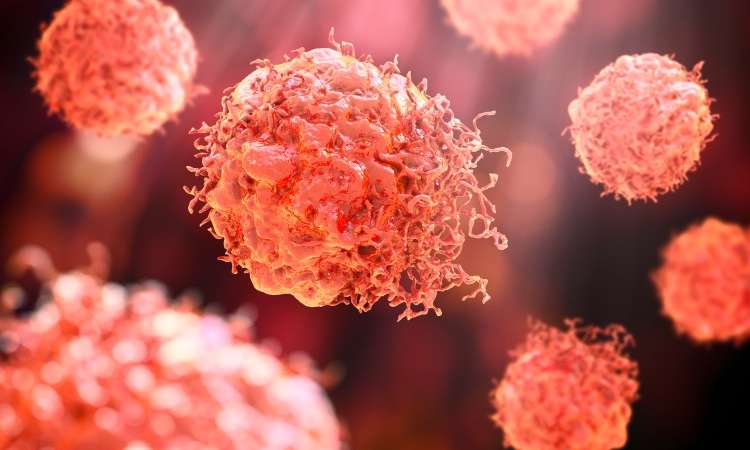

Hosted by Drug Discovery World and supported by Sartorius and BioIVT, this webinar will explore the opportunities and challenges that exist within cancer research drug discovery and development.
You will hear from Dr Sudha Rao, Chief Scientific Officer of Kazia Therapeutics, Karol Budzik, PhD, Business Development Associate at Vyriad Therapeutics and Lars van der Veen, Chief Scientific Officer at iOnctura.
Presentations will cover how cancer treatments have shifted towards reprogramming the biology driving tumour growth, immune escape and treatment resistance, the trajectory that in vivo CAR-T treatments are taking, and how challenging tumours burdened by stroma and immune-mediated resistance can be tackled.
Q&A with the speakers follows the presentations.
The post New webinar: Tackling drug discovery challenges in cancer research appeared first on Drug Discovery World (DDW).
Amid the rise of psychedelics in the mental health space, researchers have begun to explore psilocybin as a treatment for chemotherapy-induced peripheral neuropathy.
Uncategorized
New Spectrometry Technique Could Aid Formulation Development
New Spectrometry Technique Could Aid Formulation Development
A new technique combining two forms of spectrometry could help biopharmaceutical companies improve their choice of formulation buffer for antibody manufacturing by revealing how molecular forms and three-dimensional shapes of complex biologics respond to their environment. That’s the view of Christian Bleiholder, PhD, a professor at Florida State University who helped develop the technique.
According to Bleiholder, what happens structurally when a complex biological molecule, such as an antibody or viral spike protein, binds to its target is currently poorly understood.
“This is where [this approach] can help with the bioprocessing and formulation,” he says, as structural changes “can affect the lifespan [of the product] and lead to issues, such as aggregation.”
Because antibodies are complex, existing techniques tend to be powerful at different levels of complexity, he explains. Mass spectrometry is particularly powerful for distinguishing molecular composition, while structural approaches such as X-ray crystallography and cryo-electron microscopy can provide high-resolution structural information.
The challenge is understanding the link between these things within a heterogeneous sample, he says.
To overcome this, Bleiholder and his team worked with Bruker Daltonics to develop Tandem-Trapped Ion Mobility Spectrometry (Tandem-TIMS). This combines tandem ion mobility spectrometry with tandem mass spectrometry to disentangle three overlapping layers of molecular complexity: molecular form, three-dimensional shape, and binding or assembly state, he says.
He explains that, if the proteins have different structures, they can be characterized with tandem ion mobility spectrometry, and then mass spectrometry can be used to look at their molecular forms and binding states.
Going forward, Bleiholder hopes the technique can be used for formulation development but also earlier, during drug discovery of new products, such as multi-specific antibodies, to determine which molecular states are important and how those change when a biologic engages its target. He also plans to look at automating the technique.
Bleiholder spoke about using Tandem-TIMS at the Bioprocessing Summit in Boston earlier this year.
The post New Spectrometry Technique Could Aid Formulation Development appeared first on GEN – Genetic Engineering and Biotechnology News.


Generic Drugs

China plans to transform $3M biotech sector into $522B powerhouse by 2030

FDA approves imlunestrant in combination with abemaciclib for ER-positive, HER2-negative, ESR1-mutated advanced or metastatic breast cancer

Time-Restricted Eating Linked to Improved Huntington’s Disease Markers

Discovery of CRISPR’s long lost ancestor may expand gene-editing toolkit

Asahi Kasei Introduces VANTIJ® SU-VFC Benchtop Virus-Filtration System
-
Fierce Biotech6 months ago
Scientists turn pig semen extract into eye drops that kill cancer in mice
-
Endpoints News6 months ago
Novartis to pay $2B upfront to take next-gen PI3Kα inhibitor from Synnovation
-

 Uncategorized6 months ago
Novartis buys Synnovation’s PI3Kα inhibitors for $3 billion
-
Nature Biotechnology6 months ago
Sustained nitric oxide production by engineered E. coli remodels the tumor microenvironment and potentiates immunotherapy
-

 Uncategorized5 months ago
Optical Pooled CRISPR Screen Reveals Regulators of NF-κB Dynamics in Human Cells
-
Uncategorized4 months ago
Relay’s PI3Kα inhibitor clears efficacy bar in Phase 2 vascular anomalies study
-

 STAT News – Biotech6 months ago
STAT+: In private meetings, White House works to win pharma companies’ support for drug pricing bill
-
Nature Biotechnology6 months ago
Mapping cis-regulatory mutations at scale in sorghum enables modulation of gene expression
 Scan to Read