
Uncategorized
[Podcast] (Season 2) The Progress Profile: Alzheimer’s Research in Focus
This podcast explores how leading Alzheimer’s experts are working to bridge the gap between clinical trial design and frontline care.


Uncategorized
UniQure to file gene therapy for approval, reflecting major shifts at FDA
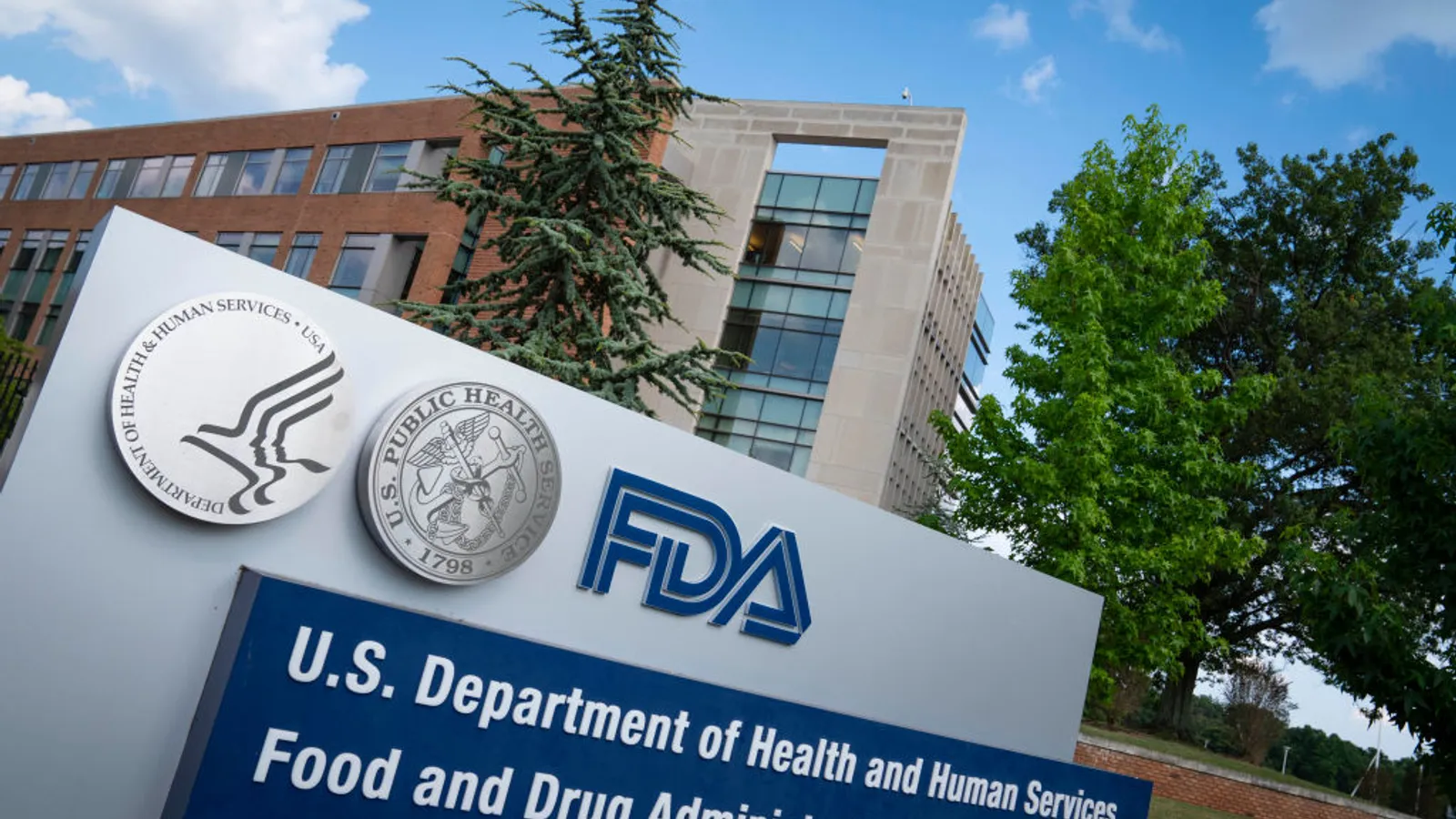
The decision marks another regulatory U-turn following the exits of Marty Makary and Vinay Prasad, suggesting to some analysts that current FDA leadership may be more flexible in certain cases.
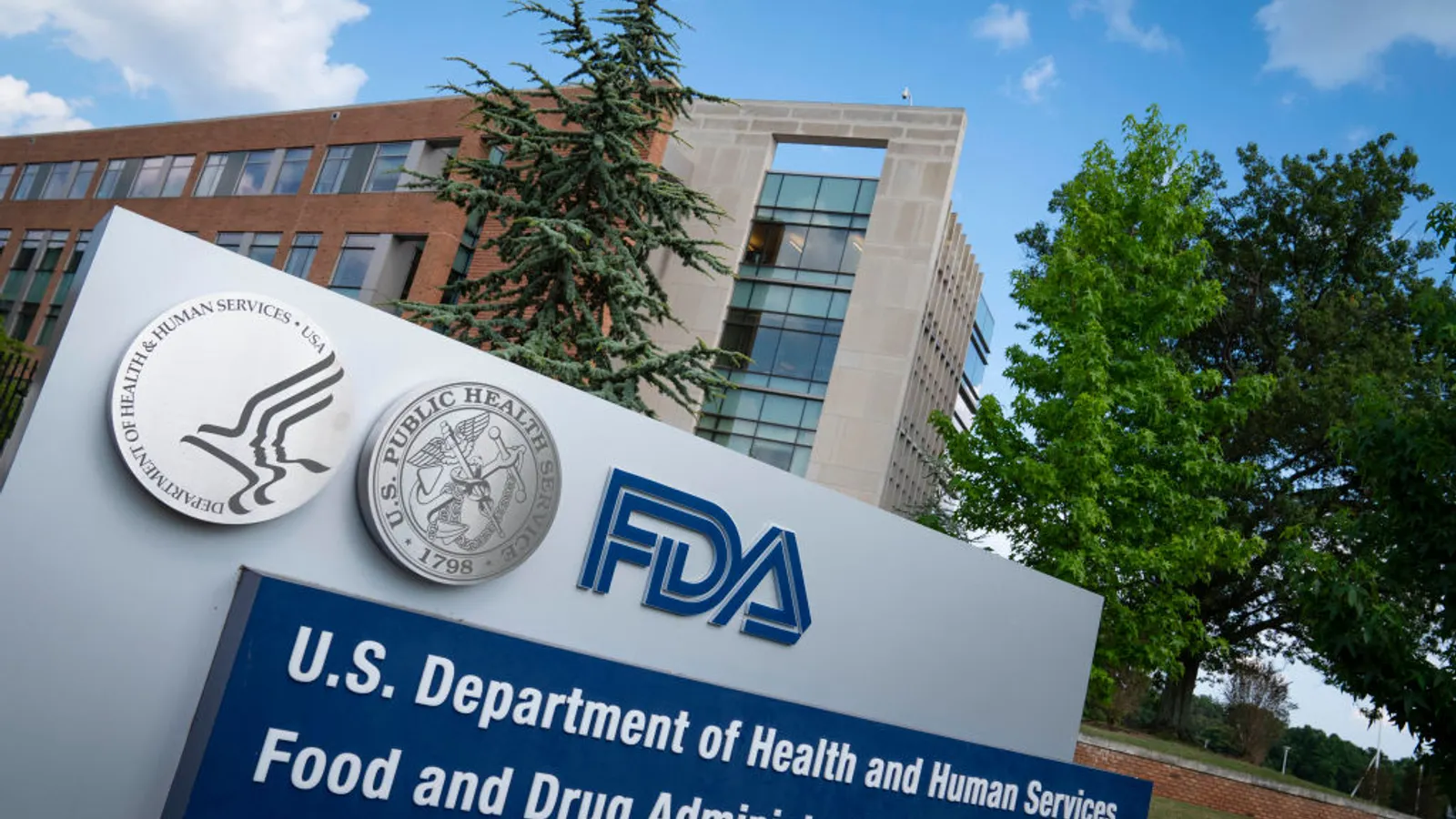
The decision marks another regulatory U-turn following the exits of Marty Makary and Vinay Prasad, suggesting to some analysts that current FDA leadership may be more flexible in certain cases.
Speed or quality? When it comes to two-step chromatography purification, biopharmaceutical manufacturers want both, despite knowing, realistically, that each choice involves tradeoffs.
With purity, stability, toxicity, processing times, and costs hanging in the balance, the key optimization questions, therefore, are which purification efforts deliver the greatest return and how they can be combined to achieve the ultimate, optimal balance.
A small multinational team of researchers is among the first to address that question with an analytical model “to jointly manage speed-quality tradeoffs and stage-specific lead-time constraints in purification operations,” Yasemin Limon, PhD, assistant professor, Bilkent University, tells GEN. This method guides optimization decisions, helping biomanufacturers decide how aggressively to intervene at each purification step of a serial, two-step chromatographic purification process based upon the costs of the intervention and the time constraints of the purification steps.
The model, based on queueing network theory, captures what the authors call “practically relevant” tradeoffs, correlating intervention efforts, their effects on stability timeframes, and the probability of quality enhancement. It was developed by Limon and colleagues, Tugce Martagan, PhD, associate professor, Northeastern University, and Ananth Krishnamurthy, PhD, professor, Indian Institute of Management Bangalore.
“Understanding how much and at which stations interventions should be applied allows biomanufacturers to optimize system performance without compromising on manufacturing lead times,” the team reports. Thus, the risk of long wait times between steps that may cause product deterioration is reduced.
They divided purification optimization steps into two categories: Type I—those that improve batch quality without increasing purification processing time (such as selecting better resins or reagents)—and Type II—those that increase both batch purity and purification processing times (such as reducing flow rates).
For each category, they evaluated how each optimization affected stage-specific lead-time constraints and how those constraints varied between the two categories of interventions.
Choices are interrelated
“Optimal intervention efforts change with costs,” they acknowledge. Here are the key takeaways:
- Under-investing in upstream purification pushes purification downstream, where increasing the polishing time may risk product stability
- For Type I interventions, put maximum effort into the least expensive options until product stability becomes a constraint
- For Type II interventions, each decision affects both quality and processing times. Characterize process times at each chromatography step and document stability-based time windows to create a reference chart that can be used repeatedly
- Shortening the stability window for step two necessitates more aggressive purification at step one. Fresh time constraints—related to new molecular stability data, for example—should not be evaluated in isolation
- Create a reference map for the range of operating conditions typically encountered in your facilities, along with possible interventions, their costs, and stability-based time effects. Use this as a real-time reference on the manufacturing floor
“The optimal policy depends on costs, processing times, and lead-time constraints,” Limon says. “Decisions at the first and second chromatography steps are interdependent.” Map those effects early to guide decisions in real time.
She recommends turning the model into a decision map. “A manufacturer can estimate its own process parameters (batch arrival rates, processing times at each purification step, stability-based time limits, intervention costs, and the effect of each intervention on quality and processing time) and use the model to identify which intervention policy is optimal under those conditions.
“Distinguish carefully between interventions that improve quality without increasing processing time and interventions that improve quality but slow the process,” Limon continues. “The first type affects lead time mainly through congestion at the downstream step, while the second type directly affects processing time and can make stage-specific lead-time constraints restrictive. Therefore, firms should quantify how interventions change processing time, congestion, and feasibility with respect to stability-based time windows.”
The post Analytics Map Purification Optimization Tradeoffs appeared first on GEN – Genetic Engineering and Biotechnology News.
Uncategorized
Jazz strikes new chord with AbCellera in T cell engager pact that could top $2.4B
Jazz strikes new chord with AbCellera in T cell engager pact that could top $2.4B
Jazz Pharmaceuticals is diversifying its oncology strategy, orchestrating a new antibody deal with AbCellera that offers $56 million upfront, plus $792 million in biobucks for each of the three initial programs. Read More


Illinois’ financial crisis could bring the state to a halt
The final 6 ‘Game of Thrones’ episodes might feel like a full season
New Season 8 Walking Dead trailer flashes forward in time
Mod turns ‘Counter-Strike’ into a ‘Tekken’ clone with fighting chickens
Meet Superman’s grandfather in new trailer for Krypton
Disney’s live-action Aladdin finally finds its stars

UniQure to file gene therapy for approval, reflecting major shifts at FDA
Analytics Map Purification Optimization Tradeoffs
Jazz strikes new chord with AbCellera in T cell engager pact that could top $2.4B
Age-Related Inflammation Linked to R-Loop Nucleic Acids, Opens Therapies
UniQure plans Q3 submission for Huntington’s gene therapy after FDA reverses course—again
UniQure plans resubmission for Huntington’s gene therapy after FDA reverses course—again
Illinois’ financial crisis could bring the state to a halt
The final 6 ‘Game of Thrones’ episodes might feel like a full season
New Season 8 Walking Dead trailer flashes forward in time
Mod turns ‘Counter-Strike’ into a ‘Tekken’ clone with fighting chickens
Meet Superman’s grandfather in new trailer for Krypton
Disney’s live-action Aladdin finally finds its stars
-
 Uncategorized9 years ago
These ’90s fashion trends are making a comeback in 2017
-
Uncategorized9 years ago
According to Dior Couture, this taboo fashion accessory is back
-
Endpoints News3 months ago
Novartis to pay $2B upfront to take next-gen PI3Kα inhibitor from Synnovation
-
Uncategorized9 years ago
Phillies’ Aaron Altherr makes mind-boggling barehanded play
-
Uncategorized9 years ago
Uber and Lyft are finally available in all of New York State
-
Uncategorized9 years ago
Steph Curry finally got the contract he deserves from the Warriors
-
Contributors9 years ago
The final 6 ‘Game of Thrones’ episodes might feel like a full season
-

 Uncategorized3 months ago
Novartis buys Synnovation’s PI3Kα inhibitors for $3 billion