

Uncategorized
Myotis Bat Genomes Reveal How They Fight Viruses, Cancer, and Cellular Damage
Myotis Bat Genomes Reveal How They Fight Viruses, Cancer, and Cellular Damage


Bats are among the most diverse mammalian species—second only to rodents—and are anomalies in the mammalian world: they fly, have long lifespans for their size, and rarely get cancer.
Scientists now provide insights into these unique characteristics in the new study published in Nature entitled, “Insights into longevity and virus-driven adaptation from Myotis bat genomes.”
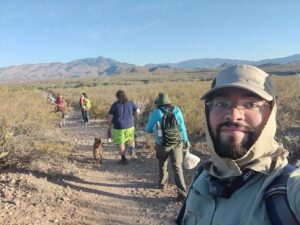
The team generated cell lines and near-complete genome assemblies for eight closely related Myotis bat species. They collected tissue from Myotis bats in the American West using a novel sampling approach. Instead of harvesting organ tissue, the scientists biopsied tiny circular patches from the wings akin to an ear piercing. The tissue was used to grow cell lines and build genomes for the eight species. Using genome-wide screens of positive selection, analyses of structural variation, and experiments, the team identified patterns of adaptation contributing to longevity, cancer resistance and viral interactions.

“Pathogen adaption, longevity, and cancer resistance—they are fundamentally linked,” says Elise Lauterbur, PhD, assistant professor of evolutionary biology at the University of Vermont. “Many of the genes that have adapted to viruses in bats are genes that are also involved in longevity and cancer resistance.”
The team discovered that bats exhibit a unique gene copy mechanism for DNA-repair. And more specifically, they write that their findings show “distinct modes of adaptation to DNA and RNA viruses compared with all other mammals, with bats exhibiting genome-wide over-representation of positive selection for DNA-virus-interacting proteins and elevated rates of copy-number variation for RNA-virus-interacting proteins.”
Characterization of Myotis-specific duplications led the research team to home in on the key immune factor EIF2AK2 (also known as PKR) found in every mammal to understand what made the Myotis bat’s antiviral response so different.
They show that the recurrent evolution of longevity seen in Myotis is associated with positive selection in cancer pathways and demonstrate a unique response to DNA damage in primary cells of the long-lived Myotis lucifugus. “In every single other mammal that has been looked at, there is one copy of this gene,” Lauterbur explains. “That means there is some important pressure keeping it at one copy. In our very special Myotis bats, there are two copies—or so we thought.” When she teased apart the genome, Lauterbur found some Myotis bats had one, two, or even three copies of PKR, suggesting additional copies have a protective effect that promote longevity.
Collaborators conducted experiments on the various cell lines, splicing copies of PKR into different species and then introduced the cells with a pox virus to gauge their reaction and dosed the cells with chemotherapeutic drug to test how they tolerate and repair damage. The team found little brown bats—the longest living bats of the group—responded differently at high doses where cell damage would most likely occur.
This adaptation could be critical for curbing the spread of cancer. As organisms age and cellular processes decline, some particularly long-lived species have developed specialized responses from repairing damaged cells, isolating the damage, to throwing cells out upon damage detection.
While it may be too early to use the unique immune adaptations of bats to solve human pathology, some lessons may be particularly valuable. Moving forward, Lauterbur wants to explore underappreciated adaptations such as changes in gene copy number, she says. “Those kinds of changes can give evolution additional ways to generate diversity and respond to changing environments, and I think we’re only beginning to understand their importance.”
The post <i>Myotis</i> Bat Genomes Reveal How They Fight Viruses, Cancer, and Cellular Damage appeared first on GEN – Genetic Engineering and Biotechnology News.


Hosted by Drug Discovery World and supported by Sartorius and BioIVT, this webinar will explore the opportunities and challenges that exist within cancer research drug discovery and development.
You will hear from Dr Sudha Rao, Chief Scientific Officer of Kazia Therapeutics, Karol Budzik, PhD, Business Development Associate at Vyriad Therapeutics and Lars van der Veen, Chief Scientific Officer at iOnctura.
Presentations will cover how cancer treatments have shifted towards reprogramming the biology driving tumour growth, immune escape and treatment resistance, the trajectory that in vivo CAR-T treatments are taking, and how challenging tumours burdened by stroma and immune-mediated resistance can be tackled.
Q&A with the speakers follows the presentations.
The post New webinar: Tackling drug discovery challenges in cancer research appeared first on Drug Discovery World (DDW).
Amid the rise of psychedelics in the mental health space, researchers have begun to explore psilocybin as a treatment for chemotherapy-induced peripheral neuropathy.
Uncategorized
New Spectrometry Technique Could Aid Formulation Development
New Spectrometry Technique Could Aid Formulation Development
A new technique combining two forms of spectrometry could help biopharmaceutical companies improve their choice of formulation buffer for antibody manufacturing by revealing how molecular forms and three-dimensional shapes of complex biologics respond to their environment. That’s the view of Christian Bleiholder, PhD, a professor at Florida State University who helped develop the technique.
According to Bleiholder, what happens structurally when a complex biological molecule, such as an antibody or viral spike protein, binds to its target is currently poorly understood.
“This is where [this approach] can help with the bioprocessing and formulation,” he says, as structural changes “can affect the lifespan [of the product] and lead to issues, such as aggregation.”
Because antibodies are complex, existing techniques tend to be powerful at different levels of complexity, he explains. Mass spectrometry is particularly powerful for distinguishing molecular composition, while structural approaches such as X-ray crystallography and cryo-electron microscopy can provide high-resolution structural information.
The challenge is understanding the link between these things within a heterogeneous sample, he says.
To overcome this, Bleiholder and his team worked with Bruker Daltonics to develop Tandem-Trapped Ion Mobility Spectrometry (Tandem-TIMS). This combines tandem ion mobility spectrometry with tandem mass spectrometry to disentangle three overlapping layers of molecular complexity: molecular form, three-dimensional shape, and binding or assembly state, he says.
He explains that, if the proteins have different structures, they can be characterized with tandem ion mobility spectrometry, and then mass spectrometry can be used to look at their molecular forms and binding states.
Going forward, Bleiholder hopes the technique can be used for formulation development but also earlier, during drug discovery of new products, such as multi-specific antibodies, to determine which molecular states are important and how those change when a biologic engages its target. He also plans to look at automating the technique.
Bleiholder spoke about using Tandem-TIMS at the Bioprocessing Summit in Boston earlier this year.
The post New Spectrometry Technique Could Aid Formulation Development appeared first on GEN – Genetic Engineering and Biotechnology News.


Revolution Medicines Presents Updated Phase 1/2 Data for Rasonque (daraxonrasib) Plus Chemotherapy in First-Line Metastatic Pancreatic Cancer at ENA 2026

StockWatch: Insmed Jumps on Report of Takeover Interest by Sanofi, as Analysts Conclude a Deal Would Make Sense

Single Hyaluronic Acid Injection Matches Three-Dose Therapy for Knee Osteoarthritis

Blood and Gut Cell Analyses Match 140 Inflammatory Bowel Disease Risk Loci

Study Details Chlamydia and Gonorrhea Co-Infection Rates in Hospital Patients

Ribociclib shows promise for specific recurrent endometrial cancer subtypes in clinical trial
-

 Uncategorized8 months ago
Novartis buys Synnovation’s PI3Kα inhibitors for $3 billion
-
Endpoints News8 months ago
Novartis to pay $2B upfront to take next-gen PI3Kα inhibitor from Synnovation
-

 Uncategorized7 months ago
Optical Pooled CRISPR Screen Reveals Regulators of NF-κB Dynamics in Human Cells
-
Uncategorized6 months ago
Relay’s PI3Kα inhibitor clears efficacy bar in Phase 2 vascular anomalies study
-
Uncategorized6 months ago
Hybrid solid−liquid optics enable scalable, high-resolution light-sheet microscopy across diverse immersion media
-
Fierce Biotech8 months ago
Scientists turn pig semen extract into eye drops that kill cancer in mice
-
Nature Biotechnology8 months ago
Sustained nitric oxide production by engineered E. coli remodels the tumor microenvironment and potentiates immunotherapy
-
Nature Biotechnology8 months ago
Mapping cis-regulatory mutations at scale in sorghum enables modulation of gene expression
 Scan to Read