

Uncategorized
Molecular Pathways Driving Autoantibody Production Following SARS-CoV-2 Infection Identified

When the immune system encounters a virus, it produces antibodies designed to recognize and eliminate the invader. But in some people infected with SARS-CoV-2 the immune response goes awry, producing autoantibodies that mistakenly attack the body’s own tissues.
Scientists have long known that these autoantibodies are associated with severe COVID-19, Long COVID, and with an increased risk of developing autoimmune disease. What has remained unclear is where these harmful antibodies come from.
Researchers at the Institute for Systems Biology (ISB) and their collaborators have now identified the immune cell population responsible for producing the autoantibodies and uncovered the molecular program that drives this response.
The team, led by Jim Heath, PhD, ISB president and professor, combined multiple cutting-edge technologies to analyze immune responses from participants enrolled in ISB’s longitudinal INCOV study of COVID-19. Rather than relying on a single experimental approach, the team integrated single-cell RNA sequencing, chromatin accessibility profiling, plasma proteomics, proteome-wide autoantibody profiling, clinical data, laboratory experiments, and genetic analyses to build a detailed picture of how B cells respond during infection.
The findings provide new insight into how viral infections can trigger autoimmune responses and identify biological pathways that could one day become targets for new therapies.
“Our goal was to understand why some people produce autoantibodies after SARS-CoV-2 infection while others do not,” said Heath. “By combining multiple layers of biological data, we were able to pinpoint the immune cells responsible and identify the regulatory mechanisms that distinguish them.”
The team reported on the findings in Immunity, in a paper titled “A distinct effector B cell population drives autoantibody production in SARS-CoV-2 infection,” in which they concluded, that their results “… provide insights into the molecular and genetic basis of infection-induced autoimmunity in COVID-19 and its downstream outcomes, including Long COVID.”
Autoantibodies (autoAbs) are linked to mortality and Long COVID, and acute SARS-CoV-2 infection also increase the risk of new-onset autoimmune disorders, including systemic lupus erythematosus (SLE), the authors noted. “These observations underscore the need to move beyond these associations and define the cellular and molecular mechanisms of autoAb production in COVID-19.”
Through their newly reported study the researchers identified a subset of B cells known as atypical memory B cells (AtMs) as the primary precursors of autoantibody-producing cells during SARS-CoV-2 infection. While these cells are a normal part of the immune system, the researchers found that individuals with high levels of autoantibodies adopted a markedly different biological program.
Laboratory experiments demonstrated that atypical memory cells from these individuals were especially prone to maturing into antibody-secreting cells that produced autoantibodies. The researchers in addition observed that patients with higher autoantibody levels tended to have weaker virus-neutralizing antibody responses, suggesting that this altered response may come at the expense of protective antiviral immunity. “AutoAb abundance inversely correlated with neutralizing IgG and declined as infection resolved, paralleling the contraction of atypical memory B cells (AtMs),” the team noted.
One of the study’s most striking findings was how closely the major subset of atypical memory B cells, called DN2 cells, resembled immune cells previously implicated in autoimmune diseases such as systemic lupus erythematosus. The researchers found that DN2 cells from patients with elevated autoantibodies showed increased activity in immune signaling pathways controlled by Toll-like receptor 7 (TLR7), along with changes involving the transcription factors T-bet and XBP1. “The pronounced enrichment of TLR7 signaling in autoAb-high DN2s mirrors pathways previously described in SLE,” they pointed out. Together, these pathways appear to prime the cells to produce autoantibodies.
Genetic analyses strengthened the connection. Among all B-cell populations examined, DN2 cells showed the strongest enrichment for inherited genetic risk associated with multiple autoimmune diseases, including lupus, rheumatoid arthritis, multiple sclerosis, inflammatory bowel disease, Crohn’s disease, type 1 diabetes, and primary biliary cirrhosis. “Integrated genetic and genomic analyses showed that DN2s had the strongest enrichment for autoimmune trait heritability and inferred regulatory effects of autoimmune risk variants among B cell subsets,” the investigators stated.
“Our findings suggest that SARS-CoV-2 infection can activate an immune program that closely resembles those involved in established autoimmune disorders, helping explain why some individuals experience autoimmune complications following infection,” said ISB lead author Dan Yuan, PhD.
Although the study focused on COVID-19, the implications extend well beyond a single virus. The work suggests that infection can reveal underlying immune tendencies that, in genetically susceptible individuals, favor the production of autoantibodies. Understanding this process may ultimately improve scientists’ ability to identify patients at higher risk for autoimmune complications and guide development of therapies that interrupt these harmful immune responses before they become established.
“Our findings point to specific immune pathways that could become future therapeutic targets,” Yuan noted. “By understanding how these cells become activated, we move closer to interventions that could prevent or reduce harmful autoimmune responses following infection.”
While additional studies will be needed to determine whether directly targeting these pathways can improve patient outcomes, the researchers say the work provides one of the clearest pictures to date of how infection-induced autoantibody production begins.
“The study also demonstrates the power of ISB’s systems biology approach,” Heath commented. “By integrating diverse molecular datasets with clinical information and functional experiments, we were able to move beyond identifying associations to uncover the cellular mechanisms that drive disease.”
The post Molecular Pathways Driving Autoantibody Production Following SARS-CoV-2 Infection Identified appeared first on GEN – Genetic Engineering and Biotechnology News.

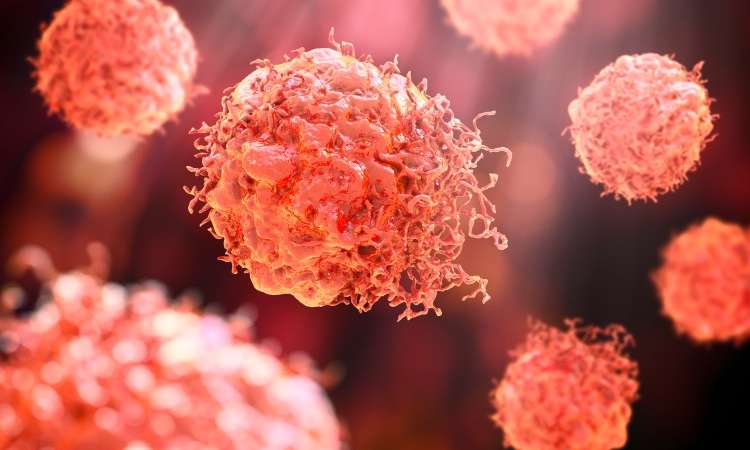

Hosted by Drug Discovery World and supported by Sartorius and BioIVT, this webinar will explore the opportunities and challenges that exist within cancer research drug discovery and development.
You will hear from Dr Sudha Rao, Chief Scientific Officer of Kazia Therapeutics, Karol Budzik, PhD, Business Development Associate at Vyriad Therapeutics and Lars van der Veen, Chief Scientific Officer at iOnctura.
Presentations will cover how cancer treatments have shifted towards reprogramming the biology driving tumour growth, immune escape and treatment resistance, the trajectory that in vivo CAR-T treatments are taking, and how challenging tumours burdened by stroma and immune-mediated resistance can be tackled.
Q&A with the speakers follows the presentations.
The post New webinar: Tackling drug discovery challenges in cancer research appeared first on Drug Discovery World (DDW).
Amid the rise of psychedelics in the mental health space, researchers have begun to explore psilocybin as a treatment for chemotherapy-induced peripheral neuropathy.
Uncategorized
New Spectrometry Technique Could Aid Formulation Development
New Spectrometry Technique Could Aid Formulation Development
A new technique combining two forms of spectrometry could help biopharmaceutical companies improve their choice of formulation buffer for antibody manufacturing by revealing how molecular forms and three-dimensional shapes of complex biologics respond to their environment. That’s the view of Christian Bleiholder, PhD, a professor at Florida State University who helped develop the technique.
According to Bleiholder, what happens structurally when a complex biological molecule, such as an antibody or viral spike protein, binds to its target is currently poorly understood.
“This is where [this approach] can help with the bioprocessing and formulation,” he says, as structural changes “can affect the lifespan [of the product] and lead to issues, such as aggregation.”
Because antibodies are complex, existing techniques tend to be powerful at different levels of complexity, he explains. Mass spectrometry is particularly powerful for distinguishing molecular composition, while structural approaches such as X-ray crystallography and cryo-electron microscopy can provide high-resolution structural information.
The challenge is understanding the link between these things within a heterogeneous sample, he says.
To overcome this, Bleiholder and his team worked with Bruker Daltonics to develop Tandem-Trapped Ion Mobility Spectrometry (Tandem-TIMS). This combines tandem ion mobility spectrometry with tandem mass spectrometry to disentangle three overlapping layers of molecular complexity: molecular form, three-dimensional shape, and binding or assembly state, he says.
He explains that, if the proteins have different structures, they can be characterized with tandem ion mobility spectrometry, and then mass spectrometry can be used to look at their molecular forms and binding states.
Going forward, Bleiholder hopes the technique can be used for formulation development but also earlier, during drug discovery of new products, such as multi-specific antibodies, to determine which molecular states are important and how those change when a biologic engages its target. He also plans to look at automating the technique.
Bleiholder spoke about using Tandem-TIMS at the Bioprocessing Summit in Boston earlier this year.
The post New Spectrometry Technique Could Aid Formulation Development appeared first on GEN – Genetic Engineering and Biotechnology News.


FDA warning letter accuses Bausch & Lomb of lacking commitment to remediation

Deep dive: Psychedelics back on FDA’s doorstep

‘Patients are not a renewable resource’: Rethinking rare disease R&D

Where female participation in clinical trials has caught up — and where gaps remain

Novartis halts TREM2 targeting ALS program in 4th trial stumble in a month

Sling catches $123M series C for thyroid eye disease pill
-
Fierce Biotech6 months ago
Scientists turn pig semen extract into eye drops that kill cancer in mice
-
Endpoints News6 months ago
Novartis to pay $2B upfront to take next-gen PI3Kα inhibitor from Synnovation
-
 Uncategorized6 months ago
Novartis buys Synnovation’s PI3Kα inhibitors for $3 billion
-
Nature Biotechnology6 months ago
Sustained nitric oxide production by engineered E. coli remodels the tumor microenvironment and potentiates immunotherapy
-
 Uncategorized5 months ago
Optical Pooled CRISPR Screen Reveals Regulators of NF-κB Dynamics in Human Cells
-
Uncategorized4 months ago
Relay’s PI3Kα inhibitor clears efficacy bar in Phase 2 vascular anomalies study
-

 STAT News – Biotech6 months ago
STAT+: In private meetings, White House works to win pharma companies’ support for drug pricing bill
-
Nature Biotechnology6 months ago
Mapping cis-regulatory mutations at scale in sorghum enables modulation of gene expression
 Scan to Read