

Uncategorized
Immune Response Gene Variants Tied to Earlier Breast Cancer in BRCA1 Carriers

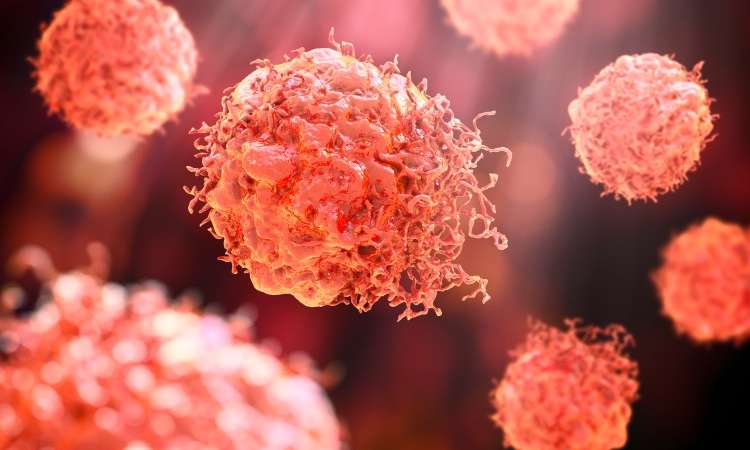
Researchers headed by a team at Tel Aviv University have discovered that damaging variants in genes involved in a rapid immune response (innate immunity) are significantly linked to earlier breast cancer (BC) onset in carriers of the harmful BRCA1 genetic mutation. The team carried out whole exome sequencing (WES) of hundreds of Ashkenazi Jewish women with the BRCA1 risk variant, and found that the strongest association with earlier BC onset was for genes involved in the activation of natural killer (NK) cells, which serve as the body’s rapid first line defense against viruses and cancer.
The findings prompt the researchers to suggest that more refined, personalized risk prediction models may be needed for carriers of the mutant BRCA1 gene, as although this mutation strongly boosts their risk of breast cancer, age at diagnosis varies considerably.
The team reported on the findings in Journal of Medical Genetics, in a paper titled “Damaging missense variants in innate immunity genes are associated with earlier age of breast cancer onset in BRCA1 185delAG carriers,” in which they concluded “To the best of our knowledge, our study is the first large-scale WES analysis aimed at identifying genetic modifiers of BC risk in BRCA1 PV carriers … Our findings highlight a novel role for innate immune pathways as potential modifiers of BC risk in BRCA1 carriers.”
BRCA1 is one of two prominent breast cancer susceptibility genes, the authors explained. “Women harboring a pathogenic variant (PV) in BRCA1 have an estimated 60–80% lifetime risk of developing BC, along with a substantially elevated risk (30–40%) of ovarian cancer.”
Surgical removal of the breasts, fallopian tubes, and ovaries mitigates the risk, but because the age at which breast cancer develops in carriers is highly variable, even amongst those with the same genetic BRAC1 mutation, it’s difficult to know when this life changing procedure should be carried out, they commented. “Although penetrance for BC in BRCA1 carriers is high, it is incomplete, and age at BC diagnosis among BRCA1 carriers varies widely, even among carriers of identical PV in the same families.”
This variation in disease onset suggests that other modifying factors might be influential, including impaired immunity, because of the pivotal role the immune system has in the development and surveillance of cancer, the team suggested. They hypothesized that “… impaired immune function may also modify BC risk among BRCA1 PV carriers.”
To explore this further, the team studied whole exome sequencing information from 321 Ashkenazi Jewish women, among whom the prevalence of BRCA1 mutations is around five to six times higher than it is among other ethnic groups worldwide. The women were all carrying the same BRCA1 mutation (185delAG) and 98 of them had been diagnosed with breast cancer. Their average age at diagnosis was 41.5 years, but ranged from 26 to 75 years. “Leveraging a large whole-exome sequencing (WES) cohort of Israeli women carrying the BRCA1 185delAG AJ founder PV, we examined whether carrying additional putatively damaging variants in genes involved in distinct arms of the immune system was associated with age at BC diagnosis,” they commented.
Whole exome sequencing reads the most crucial 1–2% of a person’s DNA—the exome— which contains around 85% of mutations known to cause specific medical conditions. The researchers’ whole exome sequencing data revealed that additional likely damaging mutations (missense variants) in genes involved in innate immunity were significantly associated with earlier onset of breast cancer.
Mutations in the genes involved in natural killer cell activation were most strongly associated with earlier disease onset, conferring a risk more than 3.5 times greater. “We found that the presence of additional putatively damaging missense variants in genes involved in innate immunity was significantly associated with earlier BC diagnosis,” they stated. “This effect was noted for several overlapping gene sets; the strongest one was for the genes annotated as involved in the activation of NK cells.” They pointed out that the risk-modifying effect they round was specific to genes involved in innate immunity. There was no significant association identified for genes related to the adaptive immune system.
“In summary, our findings in the Israeli cohort of identical BRCA1 PV carriers highlight a potential role for innate immune pathways as modifiers of BRCA1 penetrance and may support the development of more refined, personalized BC risk prediction models for BRCA1 PV carriers,” the investigators wrote. However, they cautioned, “It remains to be determined whether these preliminary findings can be replicated in independent, ethnically diverse, larger cohorts of carriers of heterogeneous PVs in BRCA1.”
The post Immune Response Gene Variants Tied to Earlier Breast Cancer in <i>BRCA1</i> Carriers appeared first on GEN – Genetic Engineering and Biotechnology News.


Hosted by Drug Discovery World and supported by Sartorius and BioIVT, this webinar will explore the opportunities and challenges that exist within cancer research drug discovery and development.
You will hear from Dr Sudha Rao, Chief Scientific Officer of Kazia Therapeutics, Karol Budzik, PhD, Business Development Associate at Vyriad Therapeutics and Lars van der Veen, Chief Scientific Officer at iOnctura.
Presentations will cover how cancer treatments have shifted towards reprogramming the biology driving tumour growth, immune escape and treatment resistance, the trajectory that in vivo CAR-T treatments are taking, and how challenging tumours burdened by stroma and immune-mediated resistance can be tackled.
Q&A with the speakers follows the presentations.
The post New webinar: Tackling drug discovery challenges in cancer research appeared first on Drug Discovery World (DDW).
Amid the rise of psychedelics in the mental health space, researchers have begun to explore psilocybin as a treatment for chemotherapy-induced peripheral neuropathy.
Uncategorized
New Spectrometry Technique Could Aid Formulation Development
New Spectrometry Technique Could Aid Formulation Development
A new technique combining two forms of spectrometry could help biopharmaceutical companies improve their choice of formulation buffer for antibody manufacturing by revealing how molecular forms and three-dimensional shapes of complex biologics respond to their environment. That’s the view of Christian Bleiholder, PhD, a professor at Florida State University who helped develop the technique.
According to Bleiholder, what happens structurally when a complex biological molecule, such as an antibody or viral spike protein, binds to its target is currently poorly understood.
“This is where [this approach] can help with the bioprocessing and formulation,” he says, as structural changes “can affect the lifespan [of the product] and lead to issues, such as aggregation.”
Because antibodies are complex, existing techniques tend to be powerful at different levels of complexity, he explains. Mass spectrometry is particularly powerful for distinguishing molecular composition, while structural approaches such as X-ray crystallography and cryo-electron microscopy can provide high-resolution structural information.
The challenge is understanding the link between these things within a heterogeneous sample, he says.
To overcome this, Bleiholder and his team worked with Bruker Daltonics to develop Tandem-Trapped Ion Mobility Spectrometry (Tandem-TIMS). This combines tandem ion mobility spectrometry with tandem mass spectrometry to disentangle three overlapping layers of molecular complexity: molecular form, three-dimensional shape, and binding or assembly state, he says.
He explains that, if the proteins have different structures, they can be characterized with tandem ion mobility spectrometry, and then mass spectrometry can be used to look at their molecular forms and binding states.
Going forward, Bleiholder hopes the technique can be used for formulation development but also earlier, during drug discovery of new products, such as multi-specific antibodies, to determine which molecular states are important and how those change when a biologic engages its target. He also plans to look at automating the technique.
Bleiholder spoke about using Tandem-TIMS at the Bioprocessing Summit in Boston earlier this year.
The post New Spectrometry Technique Could Aid Formulation Development appeared first on GEN – Genetic Engineering and Biotechnology News.


FDA Approves Fayuvi (rebisufligene etisparvovec-hopf) Gene Therapy for the Treatment for Sanfilippo Syndrome Type A (MPS IIIA)

Novo’s Denecimig Demonstrates Tolerability After Switch from Emicizumab in FRONTIER5 Study of People with Haemophilia A as Published in the Journal of Thrombosis and Haemostasis
Bayer’s Kerendia (finerenone) Receives FDA Approval as the First New Treatment in 30 Years for Adults with Chronic Kidney Disease (CKD) and Type 1 Diabetes

Animal Rule Information

Non-Compliance Letters under 505B(d)(1) of the Federal Food, Drug, and Cosmetic Act

Korea Filler Experts – 718706 – 11/03/2025
-
Fierce Biotech6 months ago
Scientists turn pig semen extract into eye drops that kill cancer in mice
-
Endpoints News6 months ago
Novartis to pay $2B upfront to take next-gen PI3Kα inhibitor from Synnovation
-

 Uncategorized6 months ago
Novartis buys Synnovation’s PI3Kα inhibitors for $3 billion
-
Nature Biotechnology6 months ago
Sustained nitric oxide production by engineered E. coli remodels the tumor microenvironment and potentiates immunotherapy
-

 Uncategorized5 months ago
Optical Pooled CRISPR Screen Reveals Regulators of NF-κB Dynamics in Human Cells
-
Uncategorized4 months ago
Relay’s PI3Kα inhibitor clears efficacy bar in Phase 2 vascular anomalies study
-

 STAT News – Biotech6 months ago
STAT+: In private meetings, White House works to win pharma companies’ support for drug pricing bill
-
Nature Biotechnology6 months ago
Mapping cis-regulatory mutations at scale in sorghum enables modulation of gene expression
 Scan to Read