

Uncategorized
Genetic Toolkit Isolates Neuron Types in Drosophila Brain

The fruit fly brain is small enough to map in exquisite detail, but that does not mean its signaling systems are simple. A single neuromodulator can influence behaviors as varied as aggression, feeding, wakefulness, memory, and visual tracking, raising a central question for neuroscientists: how does one chemical messenger produce so many different effects?
Researchers at the Salk Institute have developed a genetic toolkit designed to answer that question one neuron type at a time. In a study published in Current Biology, the team reports a curated set of transgenic driver strains that provide selective access to nearly all long-range octopaminergic and tyraminergic neuron types in the brain of Drosophila melanogaster. The study is titled “Cellular and functional dissection of the octopaminergic and tyraminergic system in the Drosophila brain.”
Octopamine (OA) is a major biogenic amine found in invertebrates and is often described as a functional analog of vertebrate noradrenaline. Together with its precursor tyramine (TA), OA helps modulate sensory processing, social behavior, and other physiological processes. But researchers have lacked sufficiently specific genetic access to defined OA/TA neuron types, limiting their ability to connect individual cell types with particular behaviors.
“Virtually, no single gene is sufficient for specifying one single cell type,” said Kenta Asahina, PhD, associate professor at Salk and senior author of the study. To increase specificity, the researchers screened several hundred genetically engineered fruit fly lines to identify overlapping expression patterns. They then used those intersections to create split-GAL4 driver combinations that could target distinct OA/TA neuron subtypes, in some cases narrowing access to a single pair of neurons.
The resulting toolkit allowed the group to map cell-type-specific innervation patterns, compare male and female neuroanatomy, and align genetically identified neuron types with electron microscopy connectome datasets. That integration of genetics, anatomy, and connectomics was central to the work: this let the researchers move beyond treating the OA/TA system as a single functional unit.
They then applied the resource to behavior. One finding addressed a long-standing paradox in octopamine biology: previous studies had linked OA signaling to both increased and decreased aggression. Using the new toolkit, the team identified a previously undescribed OA/TA cell type, ASM4, that suppresses aggression in socially isolated male and female flies. The result suggests that apparently contradictory effects of the same neuromodulator can arise from different neuron types, and possibly from differences in whether those cells signal through tyramine, octopamine, or both.
The researchers also used the toolkit to probe visually guided behaviors. Distinct optic lobe-projecting OA/TA neuron types differentially modulated optomotor stabilization and object tracking, showing that neuron types within the same neuromodulatory system can perform separate behavioral jobs. As Valentina Fajner, PhD, co-first author and staff scientist at Salk, put it, “one modulator, but distinct neurons, distinct jobs.”
The work also has broader implications beyond flies. Although the human brain is far more complex, the authors noted that many neuromodulatory principles are conserved across species. In that sense, parsing how OA/TA neurons organize behavior in Drosophila could help inform future studies of noradrenergic signaling and how failures in neuromodulatory systems alter brain function.
Next, the Salk team plans to map input and output signals across the OA/TA system to define larger circuits involved in social behavior. For now, the toolkit offers a more precise way to ask what individual neuromodulatory neurons are doing—an advance Asahina said is necessary because “almost every brain cell is different.”
The post Genetic Toolkit Isolates Neuron Types in <i>Drosophila</i> Brain appeared first on GEN – Genetic Engineering and Biotechnology News.

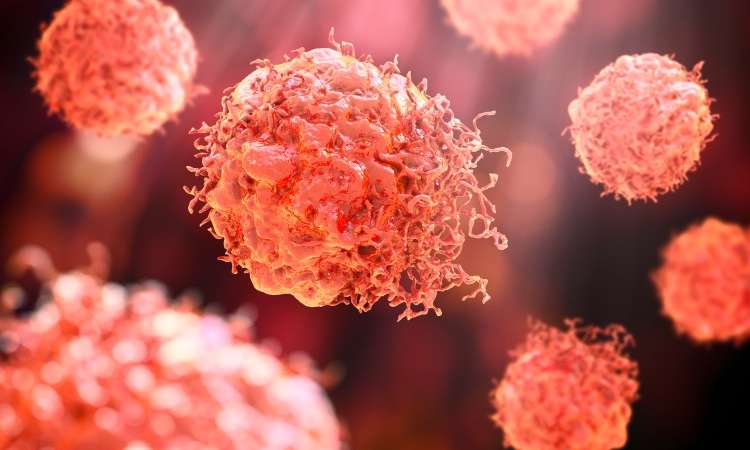

Hosted by Drug Discovery World and supported by Sartorius and BioIVT, this webinar will explore the opportunities and challenges that exist within cancer research drug discovery and development.
You will hear from Dr Sudha Rao, Chief Scientific Officer of Kazia Therapeutics, Karol Budzik, PhD, Business Development Associate at Vyriad Therapeutics and Lars van der Veen, Chief Scientific Officer at iOnctura.
Presentations will cover how cancer treatments have shifted towards reprogramming the biology driving tumour growth, immune escape and treatment resistance, the trajectory that in vivo CAR-T treatments are taking, and how challenging tumours burdened by stroma and immune-mediated resistance can be tackled.
Q&A with the speakers follows the presentations.
The post New webinar: Tackling drug discovery challenges in cancer research appeared first on Drug Discovery World (DDW).
Amid the rise of psychedelics in the mental health space, researchers have begun to explore psilocybin as a treatment for chemotherapy-induced peripheral neuropathy.
Uncategorized
New Spectrometry Technique Could Aid Formulation Development
New Spectrometry Technique Could Aid Formulation Development
A new technique combining two forms of spectrometry could help biopharmaceutical companies improve their choice of formulation buffer for antibody manufacturing by revealing how molecular forms and three-dimensional shapes of complex biologics respond to their environment. That’s the view of Christian Bleiholder, PhD, a professor at Florida State University who helped develop the technique.
According to Bleiholder, what happens structurally when a complex biological molecule, such as an antibody or viral spike protein, binds to its target is currently poorly understood.
“This is where [this approach] can help with the bioprocessing and formulation,” he says, as structural changes “can affect the lifespan [of the product] and lead to issues, such as aggregation.”
Because antibodies are complex, existing techniques tend to be powerful at different levels of complexity, he explains. Mass spectrometry is particularly powerful for distinguishing molecular composition, while structural approaches such as X-ray crystallography and cryo-electron microscopy can provide high-resolution structural information.
The challenge is understanding the link between these things within a heterogeneous sample, he says.
To overcome this, Bleiholder and his team worked with Bruker Daltonics to develop Tandem-Trapped Ion Mobility Spectrometry (Tandem-TIMS). This combines tandem ion mobility spectrometry with tandem mass spectrometry to disentangle three overlapping layers of molecular complexity: molecular form, three-dimensional shape, and binding or assembly state, he says.
He explains that, if the proteins have different structures, they can be characterized with tandem ion mobility spectrometry, and then mass spectrometry can be used to look at their molecular forms and binding states.
Going forward, Bleiholder hopes the technique can be used for formulation development but also earlier, during drug discovery of new products, such as multi-specific antibodies, to determine which molecular states are important and how those change when a biologic engages its target. He also plans to look at automating the technique.
Bleiholder spoke about using Tandem-TIMS at the Bioprocessing Summit in Boston earlier this year.
The post New Spectrometry Technique Could Aid Formulation Development appeared first on GEN – Genetic Engineering and Biotechnology News.


FDA warning letter accuses Bausch & Lomb of lacking commitment to remediation

Deep dive: Psychedelics back on FDA’s doorstep

‘Patients are not a renewable resource’: Rethinking rare disease R&D

Where female participation in clinical trials has caught up — and where gaps remain

Novartis halts TREM2 targeting ALS program in 4th trial stumble in a month

Sling catches $123M series C for thyroid eye disease pill
-
Fierce Biotech6 months ago
Scientists turn pig semen extract into eye drops that kill cancer in mice
-
Endpoints News6 months ago
Novartis to pay $2B upfront to take next-gen PI3Kα inhibitor from Synnovation
-

 Uncategorized6 months ago
Novartis buys Synnovation’s PI3Kα inhibitors for $3 billion
-
Nature Biotechnology6 months ago
Sustained nitric oxide production by engineered E. coli remodels the tumor microenvironment and potentiates immunotherapy
-

 Uncategorized5 months ago
Optical Pooled CRISPR Screen Reveals Regulators of NF-κB Dynamics in Human Cells
-
Uncategorized4 months ago
Relay’s PI3Kα inhibitor clears efficacy bar in Phase 2 vascular anomalies study
-

 STAT News – Biotech6 months ago
STAT+: In private meetings, White House works to win pharma companies’ support for drug pricing bill
-
Nature Biotechnology6 months ago
Mapping cis-regulatory mutations at scale in sorghum enables modulation of gene expression
 Scan to Read