

Uncategorized
Exercise-Boosting Molecule May Help Improve Muscle Health in Type 2 Diabetes

An international research team headed by scientists at the University of Leeds discovered that a key molecule released during exercise strengthens muscles, improves exercise performance, and could be a therapeutic treatment for muscle damage caused by type 2 diabetes. Their collective results of the study, involving experiments in mice, and human plasma analyses, identified the muscle-derived metabolite beta-aminoisobutyric acid (BAIBA) as a central regulator of how muscles remodel, strengthen, and improve their endurance in response to exercise training. The findings further showed that it’s the L-enantiomer, L-BAIBA, that acts as the primary mediator of muscular effects.
Research lead Lee Roberts, PhD, professor of molecular physiology and metabolism at the University of Leeds, said, “Our research identifies L-BAIBA as an exercise-induced signal that helps muscles adapt, improve their metabolic capacity and ability to contract, and ultimately enhances physical performance. This gives us exciting new insight into how exercise benefits the body and highlights a promising target for future therapies aimed at preserving muscle function in chronic conditions such as diabetes.”
Roberts is senior and corresponding author of the team’s published paper in Nature Communications, titled “The metabokine β-aminoisobutyric acid mediates exercise performance and skeletal muscle adaptation through a PGC1α-BAIBA-PPARδ axis.” In their paper, the team noted, “It may be that BAIBA can offer a novel therapy for other diseases with a skeletal muscle atrophy or dysfunction component, such as chronic heart failure, cancer cachexia, or sarcopenia. Conducting intervention studies using BAIBA to target muscle function, exercise capacity, and quality of life in these clinical populations will be important for future translation.”
Exercise training involves multiple bouts of activity that challenge whole-body physiology, driving adaptations across cells, tissues, and organs, the author wrote. “Exercise is also an effective intervention for the prevention or treatment of a range of diseases and pathological risk factors, including obesity, type 2 diabetes (T2D), and cardiovascular disease, and may facilitate improvements in age-related reduction in quality of life.”
But how exercise impacts the body’s ability to respond to challenges is not fully understood. The team continued, “Elucidating the fundamental molecular mechanisms and intra- and inter-organ signals through which exercise mediates systemic adaptations, driving beneficial effects, holds potential for the identification of both therapeutic targets and new strategies to treat a range of diseases, including T2D.”
Given the health benefits of exercise, Roberts and colleagues set out to discover whether this mechanism could hold the potential for treatment for chronic conditions such as type 2 diabetes. L-BAIBA has been studied in the past, and Roberts carried out research in 2014, which showed that it had beneficial effects on metabolism, boosting the fat-burning effects of exercise. It can now be purchased as a nutritional supplement.
The newly reported study has found that it triggers muscles to respond and change, linking exercise to beneficial alterations in muscle structure and metabolism. “Circulating L-BAIBA associated with aerobic fitness in humans,” the team noted in summary. “The current study identified that in mice, BAIBA supplementation in drinking water increases skeletal muscle mitochondrial number and functional capacity, improves muscle contractile function, and drives phenotypic remodelling similar to aerobic exercise training. We find that BAIBA supplementation in mice, when combined with exercise training through wheel running, leads to an increased adaptive response in skeletal muscle.”
L-BAIBA also protected muscle from damage that occurs in type 2 diabetes, which can limit a person’s quality of life, such as loss of muscle and strength, and impaired metabolism. Improving muscle resistance to fatigue could be transformative, as exercise can help to manage diabetes. The discovery that BAIBA not only mimics the adaptive response of muscle to exercise but can also contribute to translating the benefits of exercise to improved muscle and systemic function may have important clinical implications, the investigators continued. “In our study, BAIBA treatment exhibited therapeutic potential by improving the free-wheel running capacity and skeletal muscle molecular, metabolic, and functional phenotype in a mouse model of obesity and T2D-induced skeletal muscle dysfunction.”
Anna Morris, assistant director of research strategy and partnership at Diabetes UK, said, “Exercise plays an important role in managing type 2 diabetes, but for many people, muscle weakness and fatigue can make staying active a real challenge. This research helps us better understand how muscles adapt to exercise and identifies a potential new target for improving muscle health. While these findings are still at an early stage, they could help shape future approaches that support people with type 2 diabetes to remain active and live healthier, longer lives.”
The post Exercise-Boosting Molecule May Help Improve Muscle Health in Type 2 Diabetes appeared first on GEN – Genetic Engineering and Biotechnology News.

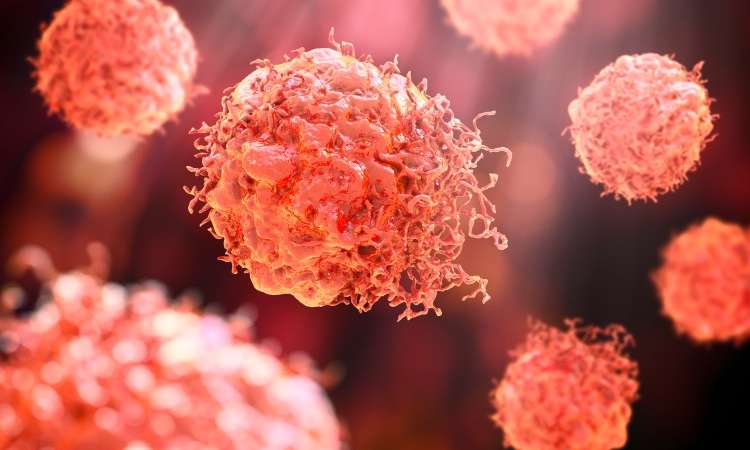

Hosted by Drug Discovery World and supported by Sartorius and BioIVT, this webinar will explore the opportunities and challenges that exist within cancer research drug discovery and development.
You will hear from Dr Sudha Rao, Chief Scientific Officer of Kazia Therapeutics, Karol Budzik, PhD, Business Development Associate at Vyriad Therapeutics and Lars van der Veen, Chief Scientific Officer at iOnctura.
Presentations will cover how cancer treatments have shifted towards reprogramming the biology driving tumour growth, immune escape and treatment resistance, the trajectory that in vivo CAR-T treatments are taking, and how challenging tumours burdened by stroma and immune-mediated resistance can be tackled.
Q&A with the speakers follows the presentations.
The post New webinar: Tackling drug discovery challenges in cancer research appeared first on Drug Discovery World (DDW).
Amid the rise of psychedelics in the mental health space, researchers have begun to explore psilocybin as a treatment for chemotherapy-induced peripheral neuropathy.
Uncategorized
New Spectrometry Technique Could Aid Formulation Development
New Spectrometry Technique Could Aid Formulation Development
A new technique combining two forms of spectrometry could help biopharmaceutical companies improve their choice of formulation buffer for antibody manufacturing by revealing how molecular forms and three-dimensional shapes of complex biologics respond to their environment. That’s the view of Christian Bleiholder, PhD, a professor at Florida State University who helped develop the technique.
According to Bleiholder, what happens structurally when a complex biological molecule, such as an antibody or viral spike protein, binds to its target is currently poorly understood.
“This is where [this approach] can help with the bioprocessing and formulation,” he says, as structural changes “can affect the lifespan [of the product] and lead to issues, such as aggregation.”
Because antibodies are complex, existing techniques tend to be powerful at different levels of complexity, he explains. Mass spectrometry is particularly powerful for distinguishing molecular composition, while structural approaches such as X-ray crystallography and cryo-electron microscopy can provide high-resolution structural information.
The challenge is understanding the link between these things within a heterogeneous sample, he says.
To overcome this, Bleiholder and his team worked with Bruker Daltonics to develop Tandem-Trapped Ion Mobility Spectrometry (Tandem-TIMS). This combines tandem ion mobility spectrometry with tandem mass spectrometry to disentangle three overlapping layers of molecular complexity: molecular form, three-dimensional shape, and binding or assembly state, he says.
He explains that, if the proteins have different structures, they can be characterized with tandem ion mobility spectrometry, and then mass spectrometry can be used to look at their molecular forms and binding states.
Going forward, Bleiholder hopes the technique can be used for formulation development but also earlier, during drug discovery of new products, such as multi-specific antibodies, to determine which molecular states are important and how those change when a biologic engages its target. He also plans to look at automating the technique.
Bleiholder spoke about using Tandem-TIMS at the Bioprocessing Summit in Boston earlier this year.
The post New Spectrometry Technique Could Aid Formulation Development appeared first on GEN – Genetic Engineering and Biotechnology News.


FDA warning letter accuses Bausch & Lomb of lacking commitment to remediation

Deep dive: Psychedelics back on FDA’s doorstep

‘Patients are not a renewable resource’: Rethinking rare disease R&D

Where female participation in clinical trials has caught up — and where gaps remain

Novartis halts TREM2 targeting ALS program in 4th trial stumble in a month

Sling catches $123M series C for thyroid eye disease pill
-
Fierce Biotech6 months ago
Scientists turn pig semen extract into eye drops that kill cancer in mice
-
Endpoints News6 months ago
Novartis to pay $2B upfront to take next-gen PI3Kα inhibitor from Synnovation
-

 Uncategorized6 months ago
Novartis buys Synnovation’s PI3Kα inhibitors for $3 billion
-
Nature Biotechnology6 months ago
Sustained nitric oxide production by engineered E. coli remodels the tumor microenvironment and potentiates immunotherapy
-

 Uncategorized5 months ago
Optical Pooled CRISPR Screen Reveals Regulators of NF-κB Dynamics in Human Cells
-
Uncategorized4 months ago
Relay’s PI3Kα inhibitor clears efficacy bar in Phase 2 vascular anomalies study
-

 STAT News – Biotech6 months ago
STAT+: In private meetings, White House works to win pharma companies’ support for drug pricing bill
-
Nature Biotechnology6 months ago
Mapping cis-regulatory mutations at scale in sorghum enables modulation of gene expression
 Scan to Read