Uncategorized
Complete Connectome of Fruit Fly Central Nervous System Now Open-Source

A new study published in Nature titled, “Distributed control circuits across a brain-and-cord connectome”, describes a complete wiring diagram of all the connections between neurons in the central nervous system of an adult fruit fly for translational applications.
The work was completed by an international team led by multiple labs at Harvard Medical School (HMS) and Princeton University. The team has made the entire connectome accessible online to propel research into complex behaviors and other fundamentals of the nervous system.
The fruit fly, Drosophila melanogaster, offers an effective model as they are easy to breed and maintain in the lab. Despite having a relatively simple nervous system made up of around 160,000 neurons, they exhibit complex behaviors such as navigation, social interaction, learning, and responding to sensory cues.
To build the connectome, the team used electron microscopy to produce millions of images of neurons and neural connections. AI tools aligned the images into a cohesive 3D map.
“It is really important to have a central nervous system connectome that is as complete as possible so we can link up the brain and body and start thinking about behavior holistically,” said Wei-Chung Allen Lee, PhD, associate professor of neurobiology at HMS and co-corresponding author on the study.
The connectome shows how each neuron connects in the brain and nerve cord at the synapse level. While the map doesn’t span the fly’s entire body, the team used identifiable neurons and literature review to connect the central nervous system to neurons in appendages and sensory organs.
The authors have already used the connectome to explore motor control. While a longstanding idea in neuroscience is for a centralized controller in the brain to make decisions about actions, the authors discovered that motor control in the fruit fly mostly occurs at a local level. For example, movement of a fly’s leg is primarily controlled by the neural circuits for that leg. The local circuits for one leg then communicates with other appendages to carry out complex coordinated movements, such as walking.
“The brain and nerve cord connectomes are each useful on their own, but until you can bridge the two, it’s hard to understand how information moves between the brain and the body,” said co-first author Helen Yang, PhD, a research fellow in neurobiology at HMS.
Looking ahead, the researchers plan to add more information to the connectome, including data describing neuropeptides, molecules that support neuron communication. Insights from the connectome may reveal fundamental principles about how nervous systems operate across species, including in humans.
The post Complete Connectome of Fruit Fly Central Nervous System Now Open-Source appeared first on GEN – Genetic Engineering and Biotechnology News.


Can any of the new obesity medications in development stand out from the pack? Which company just broke records with its IPO? And will the Food and Drug Administration allow greater access to experimental peptides?
We discuss all that and more on this week’s episode of “The Readout LOUD,” STAT’s biotech podcast.
Uncategorized
RFK Jr. claims his calendar is publicly available. We’ve been trying to get it for a year
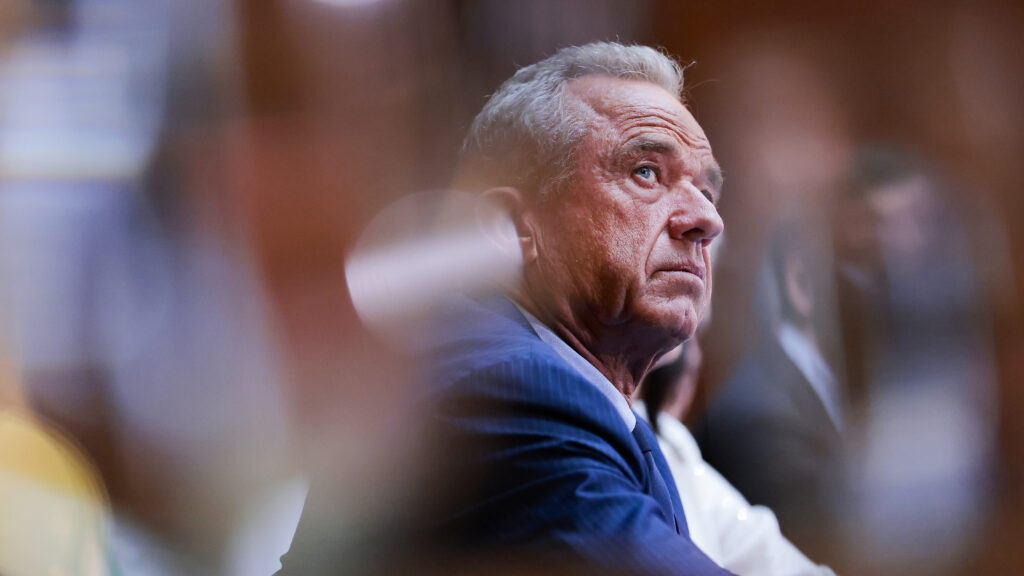
WASHINGTON — Health secretary Robert F. Kennedy Jr. on Wednesday pointed to his “publicly available calendar” as an example of his commitment to transparency and to beat back unfavorable reporting.
But no such calendar, detailing who Kennedy meets with or how he spends his time, has been released by the administration. STAT has been asking the Department of Health and Human Services for Kennedy’s calendar for more than a year, via Freedom of Information Act requests and emails to the press office.
WASHINGTON — Health secretary Robert F. Kennedy Jr. on Wednesday pointed to his “publicly available calendar” as an example of his commitment to transparency and to beat back unfavorable reporting.
But no such calendar, detailing who Kennedy meets with or how he spends his time, has been released by the administration. STAT has been asking the Department of Health and Human Services for Kennedy’s calendar for more than a year, via Freedom of Information Act requests and emails to the press office.
Uncategorized
Nonprofit buys experimental cancer drug to maintain patient access
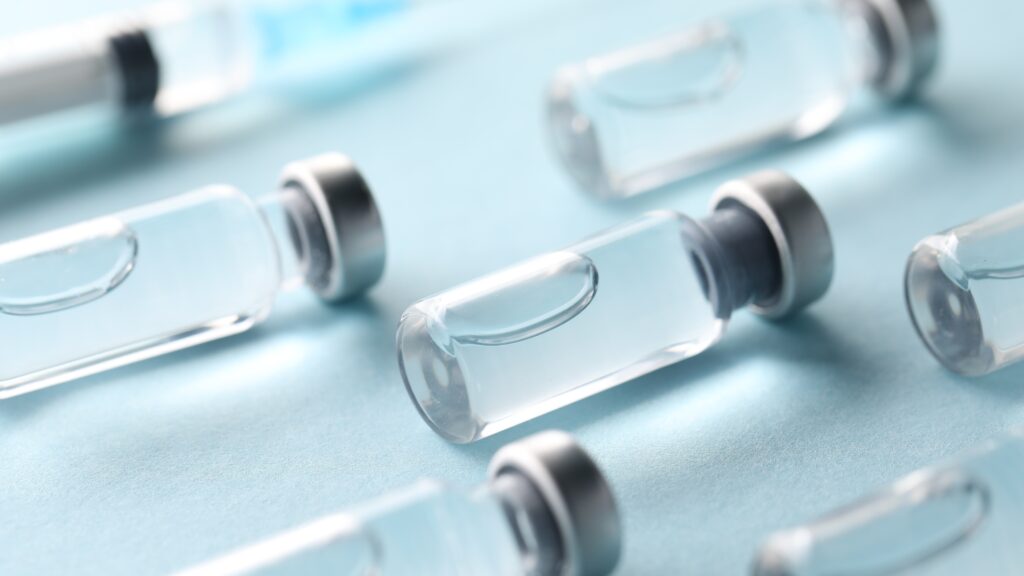
In a rare move, nonprofit organization Blood Cancer United announced Thursday it was buying the remaining supplies of Luvelta, a discontinued investigational cancer drug.
As part of the transaction, Blood Cancer United, previously known as the Leukemia & Lymphoma Society, will also acquire the investigational new drug designation and manage the compassionate-use program for children with a rare form of blood cancer, distributing the medication to patients at no cost while supplies last.
In a rare move, nonprofit organization Blood Cancer United announced Thursday it was buying the remaining supplies of Luvelta, a discontinued investigational cancer drug.
As part of the transaction, Blood Cancer United, previously known as the Leukemia & Lymphoma Society, will also acquire the investigational new drug designation and manage the compassionate-use program for children with a rare form of blood cancer, distributing the medication to patients at no cost while supplies last.


Illinois’ financial crisis could bring the state to a halt
The final 6 ‘Game of Thrones’ episodes might feel like a full season
New Season 8 Walking Dead trailer flashes forward in time
Mod turns ‘Counter-Strike’ into a ‘Tekken’ clone with fighting chickens
Meet Superman’s grandfather in new trailer for Krypton
Disney’s live-action Aladdin finally finds its stars

An obesity drug deep-dive, and peptides move mainstream

RFK Jr. claims his calendar is publicly available. We’ve been trying to get it for a year

Nonprofit buys experimental cancer drug to maintain patient access
Potential Cocaine Addiction Targets Identified Through Genetic Mapping in Rats
New mRNA Delivery Platform Restores Muscle Function in DMD Models

STAT+: Abridge inks deals with Nvidia and Lilly
Illinois’ financial crisis could bring the state to a halt
The final 6 ‘Game of Thrones’ episodes might feel like a full season
New Season 8 Walking Dead trailer flashes forward in time
Mod turns ‘Counter-Strike’ into a ‘Tekken’ clone with fighting chickens
Meet Superman’s grandfather in new trailer for Krypton
Disney’s live-action Aladdin finally finds its stars
-
 Uncategorized9 years ago
These ’90s fashion trends are making a comeback in 2017
-
Uncategorized9 years ago
According to Dior Couture, this taboo fashion accessory is back
-
Endpoints News3 months ago
Novartis to pay $2B upfront to take next-gen PI3Kα inhibitor from Synnovation
-
Uncategorized9 years ago
Phillies’ Aaron Altherr makes mind-boggling barehanded play
-
Uncategorized9 years ago
Uber and Lyft are finally available in all of New York State
-
Contributors9 years ago
The final 6 ‘Game of Thrones’ episodes might feel like a full season
-
Uncategorized9 years ago
Steph Curry finally got the contract he deserves from the Warriors
-
Uncategorized9 years ago
The old and New Edition cast comes together to perform