Uncategorized
Clot-busting drug could harm stroke treatment response

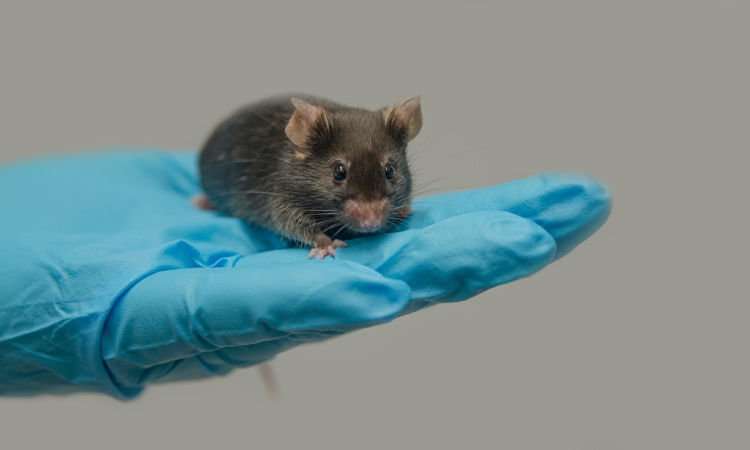

A clot-busting drug may stop promising stroke medicine from working properly, research reveals.
Researchers at the University of Manchester found the clot-busting therapy, known as tissue plasminogen activator (tPA), interacts negatively with the anti-inflammatory treatment anakinra, highlighting the need for new stroke therapies alongside existing standard care.
Results from the study on mice, published in the American Heart Association Stroke journal, show the timing of anakinra delivery must be adjusted to avoid reducing the benefits of tPA.
Anakinra, an interleukin1 receptor antagonist (IL-1Ra), blocks IL1 and has shown promise in reducing inflammation in both laboratory and early clinical studies of stroke.
“Our findings suggest that IL-1Ra can interfere with tPA’s ability to dissolve clots when the two drugs are present in the bloodstream at the same time,” said Dr Ioana-Emilia Mosneag, lead author on the study.
“The results also help explain why IL-1Ra levels were lower in patients who received tPA first, as plasmin generated during clot-busting appears to break down IL-1Ra.
“However, the effect of tPA on IL-1Ra – the opposite order – isn’t necessarily a problem as IL-1RA was still active in reducing IL-6 in the SCIL-STROKE study, but this needs further evaluation.”
Trial results ‘raise questions’ about drug interaction
Stroke is the second leading cause of death and disability worldwide, as experts estimate the number of people affected could rise by more than 80% over the next 25 years.
Despite decades of research and thousands of experimental drugs, the only approved medicines for treating the most common type of stroke, ischaemic stroke, are clot-busting drugs known as plasminogen activators, like tPA.
Though tPA can be lifesaving for acute ischaemic stroke, about 2–6% of treated patients develop potentially fatal brain bleeding, according to the ECASS III trial of the early 2000s.
Scientists now know that inflammation plays a major role in worsening brain injury after a stroke, mostly driven by a molecule called interleukin1 (IL1). The IL-1RA anakinra is a therapy used to reduce inflammation.
However, a Phase II clinical trial (SCILSTROKE) found that IL1Ra did not improve patient recovery overall.
“The findings of SCILSTROKE raise questions about whether the drug might interact negatively with standard clotbusting treatment,” said Mosneag.
Wirth nearly three quarters of patients in the SCILSTROKE trial receiving the clotbusting drug tPA before IL-1Ra, researchers set out to investigate whether the two treatments might negatively interact with each other.
They re-examined data from the SCILSTROKE trial and discovered that patients who received tPA before IL-1Ra had significantly lower levels of IL-1Ra in their blood, suggesting the drug was being broken down.
Laboratory research confirmed that IL-1Ra can be cut apart by plasmin, an enzyme produced during tPA treatment, meaning the anti-inflammatory drug may be degraded before it can work.
Timing of drug delivery ‘very likely to be a critical factor’
Following results from the SCILSTROOKE trial, researchers tested drug interaction in a mouse model of stroke, using dosing schedules that matched those used in the clinical trial.
When IL-1Ra was given after tPA, no harmful interaction was seen and the protective effects of tPA were preserved.
However, when IL-1Ra was given at the same time as tPA — during the clot-busting process — the benefits of tPA were dramatically reduced, with brain damage shrinking by only 15% compared to 68% with tPA alone.
The mice receiving both drugs together also showed poorer blood flow in the brain, more inflammatory immune cells entering damaged tissue, and higher levels of harmful structures called neutrophil extracellular traps. This indicates that the drug interaction is also detrimental to the anti-inflammatory effect of IL-1Ra.
“This study shows that timing is very likely to be a critical factor in the efficacy of IL-1Ra, which will be beneficial if given after tPA rather than alongside it,” said Professor Stuart Allan, co-author on the study.
“We also need to test whether similar interactions occur with other clot-busting drugs such as tenecteplase, which may be less likely to break down IL-1Ra due to its greater specificity.”
The post Clot-busting drug could harm stroke treatment response appeared first on Drug Discovery World (DDW).

Uncategorized
Sanofi Bispecific Scores in Asthma, Rhinosinusitis, but Eczema Bet Doesn’t Pay Off
Sanofi Bispecific Scores in Asthma, Rhinosinusitis, but Eczema Bet Doesn’t Pay Off
Sanofi has faced questions about the potential of lunsekimig in eczema, with executives calling the clinical trial a “measured risk.” Read More
Uncategorized
STAT+: Gilead to buy cancer biotech Tubulis for more than $3 billion
In a move that will grow its oncology pipeline, Gilead Sciences is spending more than $3 billion to buy the German biotech Tubulis, the companies said Tuesday.
The deal includes an upfront payment of $3.15 billion and up to $1.85 billion more if certain milestones are reached. It also highlights both the therapeutic and commercial promise of antibody-drug conjugates, the next-generation chemotherapy treatments that the privately held Tubulis is developing.
Gilead’s latest move comes just months after it said it would acquire Arcellx in a deal worth $7.8 billion. The two companies had already been working together on a multiple myeloma CAR-T therapy that could be approved later this year. Gilead last month also announced that it was buying Ouro Therapeutics, which is focused on drugs for autoimmune disease, for up to $2.18 billion.
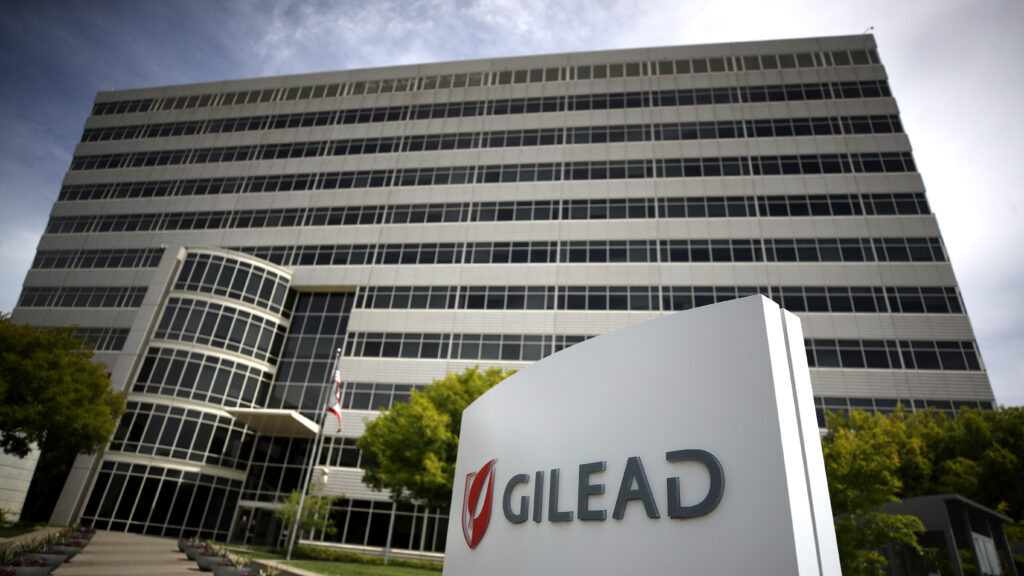
In a move that will grow its oncology pipeline, Gilead Sciences is spending more than $3 billion to buy the German biotech Tubulis, the companies said Tuesday.
The deal includes an upfront payment of $3.15 billion and up to $1.85 billion more if certain milestones are reached. It also highlights both the therapeutic and commercial promise of antibody-drug conjugates, the next-generation chemotherapy treatments that the privately held Tubulis is developing.
Gilead’s latest move comes just months after it said it would acquire Arcellx in a deal worth $7.8 billion. The two companies had already been working together on a multiple myeloma CAR-T therapy that could be approved later this year. Gilead last month also announced that it was buying Ouro Therapeutics, which is focused on drugs for autoimmune disease, for up to $2.18 billion.
In its third acquisition of 2026, Gilead is spending $3.15 billion upfront to snag a next-generation antibody-drug conjugate platform from German startup Tubulis.
The California biopharma could pay out another $1.85 billion down the road …


Illinois’ financial crisis could bring the state to a halt
The final 6 ‘Game of Thrones’ episodes might feel like a full season
New Season 8 Walking Dead trailer flashes forward in time
Mod turns ‘Counter-Strike’ into a ‘Tekken’ clone with fighting chickens
Meet Superman’s grandfather in new trailer for Krypton
Disney’s live-action Aladdin finally finds its stars
Sanofi Bispecific Scores in Asthma, Rhinosinusitis, but Eczema Bet Doesn’t Pay Off

STAT+: Gilead to buy cancer biotech Tubulis for more than $3 billion
Gilead continues dealmaking streak with $3.15B Tubulis buy for ADCs
BioNTech to shutter Singapore HQ after ‘comprehensive review’
Amgen Seeks ‘Return to Growth’ for Tepezza as More Convenient Formulation Aces Phase 3

STAT+: Merck’s experimental HIV prevention pill could be made for less than $5 a year, researchers say
Illinois’ financial crisis could bring the state to a halt
The final 6 ‘Game of Thrones’ episodes might feel like a full season
New Season 8 Walking Dead trailer flashes forward in time
Mod turns ‘Counter-Strike’ into a ‘Tekken’ clone with fighting chickens
Meet Superman’s grandfather in new trailer for Krypton
Disney’s live-action Aladdin finally finds its stars
-
 Uncategorized9 years ago
These ’90s fashion trends are making a comeback in 2017
-
Contributors9 years ago
The final 6 ‘Game of Thrones’ episodes might feel like a full season
-
Uncategorized9 years ago
According to Dior Couture, this taboo fashion accessory is back
-
Uncategorized9 years ago
The old and New Edition cast comes together to perform
-
Uncategorized9 years ago
Phillies’ Aaron Altherr makes mind-boggling barehanded play
-
Uncategorized9 years ago
Uber and Lyft are finally available in all of New York State
-
Uncategorized9 years ago
Disney’s live-action Aladdin finally finds its stars
-
Uncategorized9 years ago
Steph Curry finally got the contract he deserves from the Warriors