

Uncategorized
BBB Access Route via Proteomic Vascular Mapping

A limiting feature of many neurological therapies is the ability of molecules to cross the blood-brain barrier (BBB) from the circulatory system. Since the BBB prevents simple diffusion of materials across the divide, identifying the proteins responsible for transport is necessary for effective design of BBB-crossing therapies.
“So basically, everything in the circulating blood, if they want to have an exchange with the organ, they need to pass through this interface,” says senior author Jiefu Li, PhD, Janelia Research Campus Group Leader at the Howard Hughes Medical Institute.
Identification of the structures within blood vessels involved with the processes of molecular movement across the BBB has been somewhat elusive. However, Li and his team have developed a technique that not only identifies proteins within the luminal surface—the inner lining—of the vasculature, but also works in vivo, allowing them to track how these features change across the aging brain.
“Understanding how the blood-brain barrier works, particularly figuring out the molecular targets that you can play with to open and close the barrier, will provide new possibilities for drug delivery,” Li says.
Their work is published in Science in a paper entitled, “Luminal surface proteome of the brain vasculature uncovers blood-brain barrier regulators.”
Using mice, the team developed a proteomic profiling method that can be used not only in brain vasculature, but throughout the body. “Briefly, a lectin-conjugated peroxidase is perfused and anchored to the luminal surface of blood vessels to catalyze the biotinylation of adjacent proteins, thereby enabling subsequent protein enrichment and mass spectrometry analysis,” wrote the authors.
They tested the method in the brain, kidney and intestine, in both mice and northern tree shrew, showing functionality and applicability across organs and species.
“This will allow us to say: we know that the vasculature system is doing different things in different organs and it relies on this luminal surface, but how does that happen? What are the molecular players there?” Li says.
Using quantitative proteomics of the luminal surface—from early development through adulthood and aging—they found that over time there was a decrease in angiogenic and transport proteins. They also found an increase in proteins that increased stiffness in the vasculature.
In addition to developing this in vivo technique, the team identified two proteins that are temporally distinct in their expression while both playing a role in modulating BBB permeability. Knockouts of nitric oxide synthase Nos3 and arginine transporter Slc7a1 resulted in BBB leakage in neonates, but not adults, while genetic screens identified hyaluronidase HYAL2 as being required for maintaining BBB integrity throughout the lifespan of mice.
“What we know now is that we have two new pathways, potentially, to open the blood-brain barrier and to inform some therapeutic developments,” says Li.
Utilization of this proteomic based method in vivo both opens up new avenues of functional research across the cardiovascular system, and also provides data and a methodology for novel therapeutic targets for crossing the BBB.
“This method solves an important need but it’s also a very easy-to-use method, so everyone can use it,” Li says.
The post BBB Access Route via Proteomic Vascular Mapping appeared first on GEN – Genetic Engineering and Biotechnology News.

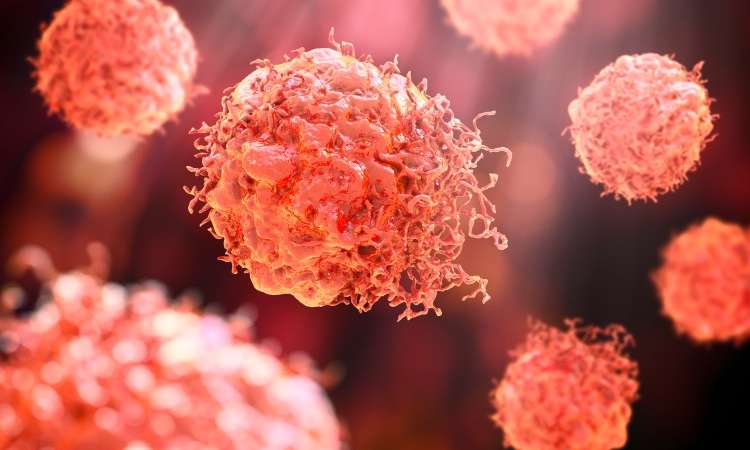

Hosted by Drug Discovery World and supported by Sartorius and BioIVT, this webinar will explore the opportunities and challenges that exist within cancer research drug discovery and development.
You will hear from Dr Sudha Rao, Chief Scientific Officer of Kazia Therapeutics, Karol Budzik, PhD, Business Development Associate at Vyriad Therapeutics and Lars van der Veen, Chief Scientific Officer at iOnctura.
Presentations will cover how cancer treatments have shifted towards reprogramming the biology driving tumour growth, immune escape and treatment resistance, the trajectory that in vivo CAR-T treatments are taking, and how challenging tumours burdened by stroma and immune-mediated resistance can be tackled.
Q&A with the speakers follows the presentations.
The post New webinar: Tackling drug discovery challenges in cancer research appeared first on Drug Discovery World (DDW).
Amid the rise of psychedelics in the mental health space, researchers have begun to explore psilocybin as a treatment for chemotherapy-induced peripheral neuropathy.
Uncategorized
New Spectrometry Technique Could Aid Formulation Development
New Spectrometry Technique Could Aid Formulation Development
A new technique combining two forms of spectrometry could help biopharmaceutical companies improve their choice of formulation buffer for antibody manufacturing by revealing how molecular forms and three-dimensional shapes of complex biologics respond to their environment. That’s the view of Christian Bleiholder, PhD, a professor at Florida State University who helped develop the technique.
According to Bleiholder, what happens structurally when a complex biological molecule, such as an antibody or viral spike protein, binds to its target is currently poorly understood.
“This is where [this approach] can help with the bioprocessing and formulation,” he says, as structural changes “can affect the lifespan [of the product] and lead to issues, such as aggregation.”
Because antibodies are complex, existing techniques tend to be powerful at different levels of complexity, he explains. Mass spectrometry is particularly powerful for distinguishing molecular composition, while structural approaches such as X-ray crystallography and cryo-electron microscopy can provide high-resolution structural information.
The challenge is understanding the link between these things within a heterogeneous sample, he says.
To overcome this, Bleiholder and his team worked with Bruker Daltonics to develop Tandem-Trapped Ion Mobility Spectrometry (Tandem-TIMS). This combines tandem ion mobility spectrometry with tandem mass spectrometry to disentangle three overlapping layers of molecular complexity: molecular form, three-dimensional shape, and binding or assembly state, he says.
He explains that, if the proteins have different structures, they can be characterized with tandem ion mobility spectrometry, and then mass spectrometry can be used to look at their molecular forms and binding states.
Going forward, Bleiholder hopes the technique can be used for formulation development but also earlier, during drug discovery of new products, such as multi-specific antibodies, to determine which molecular states are important and how those change when a biologic engages its target. He also plans to look at automating the technique.
Bleiholder spoke about using Tandem-TIMS at the Bioprocessing Summit in Boston earlier this year.
The post New Spectrometry Technique Could Aid Formulation Development appeared first on GEN – Genetic Engineering and Biotechnology News.


Two trials or not two trials? That should not be the question

The evolving landscape of drug targets

Par Health Issues Voluntary Nationwide Recall of Two Lots of Dexmedetomidine HCl in 0.9% Sodium Chloride Injection Due to the Presence of Particulate Matter

Otsuka ICU Medical LLC Issues Voluntary Nationwide Recall of 0.9% Sodium Chloride Injection, USP Due To a Product Mix-up with 10 mEq Potassium Chloride Injection

H5N1 Spreads Among Australian Wildlife as Flu Season Ramps Up

FDA Updates Regulations to Advance Innovative Alternatives to Animal Testing
-
Fierce Biotech6 months ago
Scientists turn pig semen extract into eye drops that kill cancer in mice
-
Endpoints News6 months ago
Novartis to pay $2B upfront to take next-gen PI3Kα inhibitor from Synnovation
-

 Uncategorized6 months ago
Novartis buys Synnovation’s PI3Kα inhibitors for $3 billion
-
Nature Biotechnology6 months ago
Sustained nitric oxide production by engineered E. coli remodels the tumor microenvironment and potentiates immunotherapy
-

 Uncategorized5 months ago
Optical Pooled CRISPR Screen Reveals Regulators of NF-κB Dynamics in Human Cells
-
Uncategorized4 months ago
Relay’s PI3Kα inhibitor clears efficacy bar in Phase 2 vascular anomalies study
-

 STAT News – Biotech6 months ago
STAT+: In private meetings, White House works to win pharma companies’ support for drug pricing bill
-
 BioPharma Dive – AI / Data6 months ago
AstraZeneca lung drug gets ‘surprise’ win in COPD trials
 Scan to Read