

Uncategorized
Autoimmune Disease-Related Inflammation Reduced with ENDOtollins Drug

A new study published in Nature Chemical Biology titled, “Munc13-4–STX7 inhibitors impair endosomal TLR activation and systemic inflammation,” scientists from Scripps Research have developed a new class of drug compounds, called ENDOtollins, that reduce harmful inflammation while maintaining the body’s ability to fight infections. The results offer new directions to treat autoimmune diseases, such as lupus, and rheumatoid and juvenile arthritis, which together affect more than 15 million Americans.
“A key component of our approach is to begin by understanding the biological mechanisms at play,” said Sergio Catz, PhD, professor at Scripps Research and corresponding author of the study. “By accomplishing this first, we can more easily target the pathway driving inflammation without affecting other important processes.”
Current autoimmune disease treatments, such as hydroxychloroquine, function by broadly blocking endosomes. While effective, this approach can lead to significant side effects, including gastrointestinal problems and, less commonly, vision damage, that cause patients to stop treatment.
The authors focused on two proteins, Munc13-4 and syntaxin 7, that bind together to activate Toll-like receptors (TLRs), immune sensors that activate endosomes. This mechanism plays a key role in detecting foreign DNA and RNA from viruses and bacteria. In autoimmune diseases, TLRs become overactive and trigger chronic, damaging inflammation in the absence of a threat.
The team screened roughly 32,000 compounds and identified molecules that specifically block the Munc13-4–syntaxin 7 interaction without disrupting other cellular functions. Given that Munc13-4 is found mainly in immune cells, the compounds offer a targeted approach to reduce inflammation.
“Most treatments for autoimmune diseases manage symptoms; they don’t change the underlying course of the disease,” said Hugh Rosen, MD, PhD, professor at Scripps Research and co-author of the study. “What’s exciting about this approach is its potential to be disease-modifying: targeting the specific molecular machinery that drives inflammation, rather than broadly suppressing the immune system.”
Notably, the study screened compounds in an intact cellular environment which contrasts from many drug screening approaches, which extract proteins from the cell.
“By maintaining the proteins in their natural environment, we increase the likelihood that compounds we find will actually work in living cells,” said Jennifer Johnson, PhD, first author and senior staff scientist at Scripps Research.
The most potent compound, ENDO12, reduced inflammation in animal models that were also given a TLR-activating molecule. Blood levels of inflammatory markers, including immune system activators IL-6 and IFN-γ, and the enzyme myeloperoxidase, dropped significantly in animals that were treated.
ENDO12 treated animals demonstrated normal antiviral immune response when exposed to a virus. This selectivity addresses the concern that dampening inflammation with immunosuppressive drugs may leave patients vulnerable to infections.
Looking ahead, the team will test ENDOtollins in models that more closely mimic human autoimmune diseases and evaluate the compounds’ chemistry for potential clinical use.
Beyond autoimmune conditions, the researchers suggest ENDOtollins might help treat cytokine storms, the dangerous immune overreactions seen in patients with severe COVID-19 and as a side effect of CAR T cancer therapy. Both involve excessive IL-6 and runaway inflammation.
While translating these findings into treatments for patients remains a long-term goal, Catz emphasizes that the mechanistic insights are valuable in their own right. ENDOtollins can serve as precision tools to probe other cellular processes regulated by endosomes and lysosomes, including pathways implicated in neurodegeneration and immune dysfunction.
The post Autoimmune Disease-Related Inflammation Reduced with ENDOtollins Drug appeared first on GEN – Genetic Engineering and Biotechnology News.

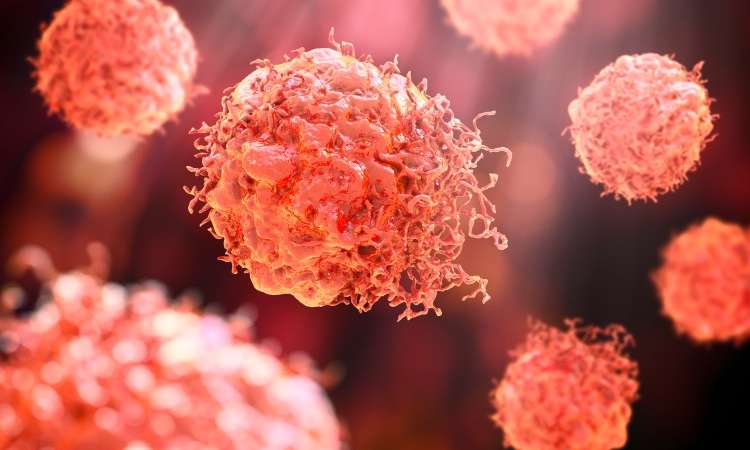

Hosted by Drug Discovery World and supported by Sartorius and BioIVT, this webinar will explore the opportunities and challenges that exist within cancer research drug discovery and development.
You will hear from Dr Sudha Rao, Chief Scientific Officer of Kazia Therapeutics, Karol Budzik, PhD, Business Development Associate at Vyriad Therapeutics and Lars van der Veen, Chief Scientific Officer at iOnctura.
Presentations will cover how cancer treatments have shifted towards reprogramming the biology driving tumour growth, immune escape and treatment resistance, the trajectory that in vivo CAR-T treatments are taking, and how challenging tumours burdened by stroma and immune-mediated resistance can be tackled.
Q&A with the speakers follows the presentations.
The post New webinar: Tackling drug discovery challenges in cancer research appeared first on Drug Discovery World (DDW).
Amid the rise of psychedelics in the mental health space, researchers have begun to explore psilocybin as a treatment for chemotherapy-induced peripheral neuropathy.
Uncategorized
New Spectrometry Technique Could Aid Formulation Development
New Spectrometry Technique Could Aid Formulation Development
A new technique combining two forms of spectrometry could help biopharmaceutical companies improve their choice of formulation buffer for antibody manufacturing by revealing how molecular forms and three-dimensional shapes of complex biologics respond to their environment. That’s the view of Christian Bleiholder, PhD, a professor at Florida State University who helped develop the technique.
According to Bleiholder, what happens structurally when a complex biological molecule, such as an antibody or viral spike protein, binds to its target is currently poorly understood.
“This is where [this approach] can help with the bioprocessing and formulation,” he says, as structural changes “can affect the lifespan [of the product] and lead to issues, such as aggregation.”
Because antibodies are complex, existing techniques tend to be powerful at different levels of complexity, he explains. Mass spectrometry is particularly powerful for distinguishing molecular composition, while structural approaches such as X-ray crystallography and cryo-electron microscopy can provide high-resolution structural information.
The challenge is understanding the link between these things within a heterogeneous sample, he says.
To overcome this, Bleiholder and his team worked with Bruker Daltonics to develop Tandem-Trapped Ion Mobility Spectrometry (Tandem-TIMS). This combines tandem ion mobility spectrometry with tandem mass spectrometry to disentangle three overlapping layers of molecular complexity: molecular form, three-dimensional shape, and binding or assembly state, he says.
He explains that, if the proteins have different structures, they can be characterized with tandem ion mobility spectrometry, and then mass spectrometry can be used to look at their molecular forms and binding states.
Going forward, Bleiholder hopes the technique can be used for formulation development but also earlier, during drug discovery of new products, such as multi-specific antibodies, to determine which molecular states are important and how those change when a biologic engages its target. He also plans to look at automating the technique.
Bleiholder spoke about using Tandem-TIMS at the Bioprocessing Summit in Boston earlier this year.
The post New Spectrometry Technique Could Aid Formulation Development appeared first on GEN – Genetic Engineering and Biotechnology News.


Citing Replimune approval, experts say localized cancer meds could redefine care

Mikhail, Davis on board with regulatory framework tailored to rare disease therapies

Telomerase and β-Catenin Join Forces to Drive Aggressive Liver Cancer

STAT+: Radiopharma companies merge after one receives surprise FDA rejection

Lilly’s GIP/GLP-1 Candidate Brenipatide Shows Early Clinical Promise in Substance, Psych Disorders

Fatal toxicities test autoimmune CAR T’s safety thesis
-
Fierce Biotech6 months ago
Scientists turn pig semen extract into eye drops that kill cancer in mice
-
Endpoints News6 months ago
Novartis to pay $2B upfront to take next-gen PI3Kα inhibitor from Synnovation
-

 Uncategorized6 months ago
Novartis buys Synnovation’s PI3Kα inhibitors for $3 billion
-
Nature Biotechnology6 months ago
Sustained nitric oxide production by engineered E. coli remodels the tumor microenvironment and potentiates immunotherapy
-

 Uncategorized5 months ago
Optical Pooled CRISPR Screen Reveals Regulators of NF-κB Dynamics in Human Cells
-
Uncategorized4 months ago
Relay’s PI3Kα inhibitor clears efficacy bar in Phase 2 vascular anomalies study
-

 STAT News – Biotech6 months ago
STAT+: In private meetings, White House works to win pharma companies’ support for drug pricing bill
-

 BioPharma Dive – AI / Data6 months ago
AstraZeneca lung drug gets ‘surprise’ win in COPD trials
 Scan to Read