

Uncategorized
African Trypanosomes Use a Molecular Shredder to Avoid Detection in the Bloodstream

In mammalian hosts, the African trypanosome parasite replicates freely in the bloodstream, despite being fully exposed to the immune system. To do this, the pathogen relies on the stochastic switching of a Variant Surface Glycoprotein (VSG) for immune evasion.
Now, a study presents the newly discovered ESB2 protein—an active RNA endonuclease—which acts as a “molecular shredder,” allowing the parasite to avoid detection by fine-tuning expression of virulence genes through specialized RNA decay.
Transmitted by the bite of the tsetse fly, if left untreated, the parasites invade the central nervous system, causing neurological issues including severe sleep disruptions, confusion, and coma. This understanding of a previously undescribed mechanism of how the parasite avoids detection with incredible precision may allow researchers to identify new vulnerabilities in its life cycle. It may open the door for future treatments for sleeping sickness—a disease that continues to have a devastating impact on communities across sub-Saharan Africa.
This work is published in Nature Microbiology in the paper, “Specialized RNA decay fine-tunes monogenic antigen expression in Trypanosoma brucei.”
“We’ve discovered that the parasite’s secret to staying invisible isn’t just what it prints, but what it chooses to redact,” noted Joana Faria, PhD, leader of the research group at the University of York. “By placing a ‘molecular shredder’ directly inside its ‘protein factory,’ the parasite can edit its genetic manual in real-time. This suggests a fundamental shift in how we view infection: survival for many organisms may depend less on how they issue genetic instructions and more on how they destroy them at the source.”
The discovery provides an answer to a lingering question in the parasite’s biology that has challenged scientists for 40 years. The genetic manual for the VSG also contains several genes needed for survival and immune evasion. Logic suggests that when the parasite follows these genetic instructions, it should produce equal amounts of each protein. However, the parasite somehow produces a mountain of cloak proteins but only a tiny amount of helper proteins.
By identifying the ESB2 protein, the York team discovered that the parasite controls its genetic messages through destruction rather than just production. ESB2 sits directly inside the parasite’s protein factory, known as the Expression Site Body (ESB). ESB2 acts as a “molecular blade,” ensuring the parasite expresses exactly what it needs to remain hidden from the host’s immune system.
The researchers applied TurboID-mediated proximity labelling mass spectrometry (PL-MS) to “map the ESB post-transcriptional network, identifying three new components: ESB-
associated protein 1 (ESAP1) and ESB-specific proteins 2 and 3 (ESB2 and 3).” They then characterized ESB2 as an RNA endonuclease that negatively regulates ESAG transcripts.
Crucially, they write, they demonstrate that “ESB2 recruitment depends on both its own catalytic activity and a hierarchy involving VEX2, ESAP1, and ESB3.”
“This discovery is a real full-circle moment for me,” added Faria. “The mystery of how this parasite manages the asymmetric expression of its genetic manual has been a cold case in the back of my mind since my days as a postdoc. To finally solve it now, as the first major output of my own lab here at York, is incredibly rewarding. It’s a testament to what a fresh lab and a diverse group of scientists can achieve when they look at an old problem from a completely new angle.”
The post African Trypanosomes Use a Molecular Shredder to Avoid Detection in the Bloodstream appeared first on GEN – Genetic Engineering and Biotechnology News.

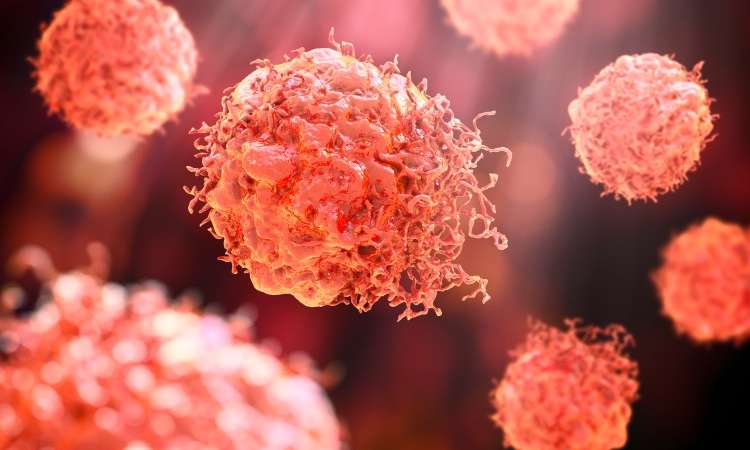

Hosted by Drug Discovery World and supported by Sartorius and BioIVT, this webinar will explore the opportunities and challenges that exist within cancer research drug discovery and development.
You will hear from Dr Sudha Rao, Chief Scientific Officer of Kazia Therapeutics, Karol Budzik, PhD, Business Development Associate at Vyriad Therapeutics and Lars van der Veen, Chief Scientific Officer at iOnctura.
Presentations will cover how cancer treatments have shifted towards reprogramming the biology driving tumour growth, immune escape and treatment resistance, the trajectory that in vivo CAR-T treatments are taking, and how challenging tumours burdened by stroma and immune-mediated resistance can be tackled.
Q&A with the speakers follows the presentations.
The post New webinar: Tackling drug discovery challenges in cancer research appeared first on Drug Discovery World (DDW).
Amid the rise of psychedelics in the mental health space, researchers have begun to explore psilocybin as a treatment for chemotherapy-induced peripheral neuropathy.
Uncategorized
New Spectrometry Technique Could Aid Formulation Development
New Spectrometry Technique Could Aid Formulation Development
A new technique combining two forms of spectrometry could help biopharmaceutical companies improve their choice of formulation buffer for antibody manufacturing by revealing how molecular forms and three-dimensional shapes of complex biologics respond to their environment. That’s the view of Christian Bleiholder, PhD, a professor at Florida State University who helped develop the technique.
According to Bleiholder, what happens structurally when a complex biological molecule, such as an antibody or viral spike protein, binds to its target is currently poorly understood.
“This is where [this approach] can help with the bioprocessing and formulation,” he says, as structural changes “can affect the lifespan [of the product] and lead to issues, such as aggregation.”
Because antibodies are complex, existing techniques tend to be powerful at different levels of complexity, he explains. Mass spectrometry is particularly powerful for distinguishing molecular composition, while structural approaches such as X-ray crystallography and cryo-electron microscopy can provide high-resolution structural information.
The challenge is understanding the link between these things within a heterogeneous sample, he says.
To overcome this, Bleiholder and his team worked with Bruker Daltonics to develop Tandem-Trapped Ion Mobility Spectrometry (Tandem-TIMS). This combines tandem ion mobility spectrometry with tandem mass spectrometry to disentangle three overlapping layers of molecular complexity: molecular form, three-dimensional shape, and binding or assembly state, he says.
He explains that, if the proteins have different structures, they can be characterized with tandem ion mobility spectrometry, and then mass spectrometry can be used to look at their molecular forms and binding states.
Going forward, Bleiholder hopes the technique can be used for formulation development but also earlier, during drug discovery of new products, such as multi-specific antibodies, to determine which molecular states are important and how those change when a biologic engages its target. He also plans to look at automating the technique.
Bleiholder spoke about using Tandem-TIMS at the Bioprocessing Summit in Boston earlier this year.
The post New Spectrometry Technique Could Aid Formulation Development appeared first on GEN – Genetic Engineering and Biotechnology News.


Navigating ultralarge virtual screening
Suppressor tRNA rescues cystic fibrosis
Covalent BAX inhibitor confers cytoprotection
Targeting norovirus RNA structures

Compass vows to press on with FDA application despite new trial request

Open-Source Machine Learning Workflow Accelerates Discovery of Small-Molecule PD-L1 Cancer Inhibitors
-
Fierce Biotech6 months ago
Scientists turn pig semen extract into eye drops that kill cancer in mice
-
Endpoints News6 months ago
Novartis to pay $2B upfront to take next-gen PI3Kα inhibitor from Synnovation
-

 Uncategorized6 months ago
Novartis buys Synnovation’s PI3Kα inhibitors for $3 billion
-
Nature Biotechnology6 months ago
Sustained nitric oxide production by engineered E. coli remodels the tumor microenvironment and potentiates immunotherapy
-

 Uncategorized5 months ago
Optical Pooled CRISPR Screen Reveals Regulators of NF-κB Dynamics in Human Cells
-
Uncategorized4 months ago
Relay’s PI3Kα inhibitor clears efficacy bar in Phase 2 vascular anomalies study
-

 STAT News – Biotech6 months ago
STAT+: In private meetings, White House works to win pharma companies’ support for drug pricing bill
-

 BioPharma Dive – AI / Data6 months ago
AstraZeneca lung drug gets ‘surprise’ win in COPD trials
 Scan to Read