

Uncategorized
UCSF QBI Awarded $46M to Translate Landmark Autism Map Into Precision Therapies
UCSF QBI Awarded $46M to Translate Landmark Autism Map Into Precision Therapies

A landmark study published this week in Science could help scientists answer some fundamental questions about the genetic basis of autism spectrum disorder including how mutations in ASD risk genes lead directly to changes in brain development, and how that knowledge can be translated into more effective therapies.
The study was led by scientists at the Quantitative Biosciences Institute (QBI) and the department of psychiatry and behavioral sciences at the University of California, San Francisco (UCSF). The paper presents findings from more than a decade of work to build what the scientists claim is the largest molecular interaction map of autism. The map reveals how hundreds of genes and dozens of mutations converge within a small number of shared protein networks. Their paper is titled “A foundational autism protein interaction atlas reveals molecular convergence.”
Besides the paper’s publication, UCSF’s QBI has received $46 million in grant funding from Aligning Research to Impact Autism (ARIA) that it will use to expand its work into the molecular mechanisms of autism spectrum disorder. According to the institution, this award represents one of the most significant investments in QBI’s history and builds on more than a decade of collaborative research from QBI and UCSF’s department of psychiatry and behavioral sciences, known as the Psychiatric Cell Map Initiative (PCMI).
Digging into the details of the funding, the grant will support QBI’s work in ARIA’s Protein-Protein Interactions Hub, one of six research hubs in ARIA’s scientific ecosystem. This particular hub brings together international, multidisciplinary research teams to map disrupted protein complexes and develop small molecules that can modulate their activity.
The funds will allow the UCSF scientists and their collaborators to build on the work reported in the Science study. According to the paper, the scientists used affinity purification-mass spectrometry that mapped the proteins encoded by 100 autism-linked genes to discover how individual mutations can rewire the molecular machinery of the developing brain. Their analysis revealed more than 1,800 protein interactions, 87% of which had not been reported previously. Furthermore, by integrating the interaction maps with AlphaFold structural modeling predictions and functional studies in Xenopus and human forebrain organoids, the scientists were able to pinpoint exactly where mutations disrupt protein interfaces.
The scientists also analyzed 54 patient-derived autism mutations and identified how distinct genetic variants rewire protein interaction networks in the brain. One of the findings reported in the paper is that distinct mutations in different autism genes produced similar changes in how proteins interact. For instance, separate mutations in FOXP1 and FOXP2 converge on disrupting the same FOXP1-FOXP4 protein interaction, leading to premature development of cortical neurons and increased neural circuit excitability in lab-grown brain organoids.
That finding points to one of the most important discoveries reported in the paper, which is that several genetically distinct forms of autism disrupt the same protein complexes. In one example, FOXP1 mutations that sit at entirely different locations within the protein all converge on disrupting the same FOXP1-FOXP4 interaction. Shared networks like these could be targeted therapeutically to directly address multiple molecular factors associated with autism. Instead of developing distinct therapies for every mutation, scientists could develop single medicines capable of treating multiple genetic forms of autism simultaneously.
“This study maps the exact molecular machinery that is altered, including the specific protein interactions, down to the interfaces we can target with a drug,” noted Nevan Krogan, PhD, professor at UCSF, director of QBI, and senior investigator at Gladstone Institutes. “Further, what we’ve built here isn’t limited to autism. It’s a blueprint for translating the genetics of almost any disease from neurodegeneration to cancer, into a real therapeutic strategy.”
The findings are directly relevant to the approximately 30% of individuals with profound autism, many of whom carry rare, high-impact mutations in established autism risk genes. “After the initial excitement of discovering rare mutations that cause common forms of autism, the reality of how hard it would be to develop medicines to target the most severe end of the autism spectrum became abundantly clear,” said Matthew State, MD, PhD, a senior author and chair of the department of psychiatry and behavioral sciences at UCSF. “This current work opens up a whole new world of possibilities for therapeutic targets and promises a generation of novel drugs that can transform what we are able to do in the clinic.”
Commenting on QBI’s grant funding from ARIA, Krogan added that “translating fundamental science into medicines that help patients requires not just the right ideas, but the sustained investment to follow those ideas all the way through. ARIA’s commitment does exactly that. It accelerates our ability to move from molecular insight to therapeutic impact, for autism and ultimately for many other diseases.”
The post UCSF QBI Awarded $46M to Translate Landmark Autism Map Into Precision Therapies appeared first on GEN – Genetic Engineering and Biotechnology News.

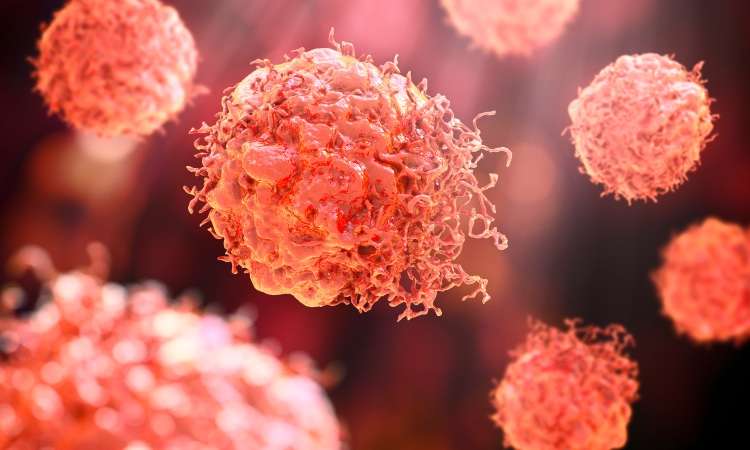

Hosted by Drug Discovery World and supported by Sartorius and BioIVT, this webinar will explore the opportunities and challenges that exist within cancer research drug discovery and development.
You will hear from Dr Sudha Rao, Chief Scientific Officer of Kazia Therapeutics, Karol Budzik, PhD, Business Development Associate at Vyriad Therapeutics and Lars van der Veen, Chief Scientific Officer at iOnctura.
Presentations will cover how cancer treatments have shifted towards reprogramming the biology driving tumour growth, immune escape and treatment resistance, the trajectory that in vivo CAR-T treatments are taking, and how challenging tumours burdened by stroma and immune-mediated resistance can be tackled.
Q&A with the speakers follows the presentations.
The post New webinar: Tackling drug discovery challenges in cancer research appeared first on Drug Discovery World (DDW).
Amid the rise of psychedelics in the mental health space, researchers have begun to explore psilocybin as a treatment for chemotherapy-induced peripheral neuropathy.
Uncategorized
New Spectrometry Technique Could Aid Formulation Development
New Spectrometry Technique Could Aid Formulation Development
A new technique combining two forms of spectrometry could help biopharmaceutical companies improve their choice of formulation buffer for antibody manufacturing by revealing how molecular forms and three-dimensional shapes of complex biologics respond to their environment. That’s the view of Christian Bleiholder, PhD, a professor at Florida State University who helped develop the technique.
According to Bleiholder, what happens structurally when a complex biological molecule, such as an antibody or viral spike protein, binds to its target is currently poorly understood.
“This is where [this approach] can help with the bioprocessing and formulation,” he says, as structural changes “can affect the lifespan [of the product] and lead to issues, such as aggregation.”
Because antibodies are complex, existing techniques tend to be powerful at different levels of complexity, he explains. Mass spectrometry is particularly powerful for distinguishing molecular composition, while structural approaches such as X-ray crystallography and cryo-electron microscopy can provide high-resolution structural information.
The challenge is understanding the link between these things within a heterogeneous sample, he says.
To overcome this, Bleiholder and his team worked with Bruker Daltonics to develop Tandem-Trapped Ion Mobility Spectrometry (Tandem-TIMS). This combines tandem ion mobility spectrometry with tandem mass spectrometry to disentangle three overlapping layers of molecular complexity: molecular form, three-dimensional shape, and binding or assembly state, he says.
He explains that, if the proteins have different structures, they can be characterized with tandem ion mobility spectrometry, and then mass spectrometry can be used to look at their molecular forms and binding states.
Going forward, Bleiholder hopes the technique can be used for formulation development but also earlier, during drug discovery of new products, such as multi-specific antibodies, to determine which molecular states are important and how those change when a biologic engages its target. He also plans to look at automating the technique.
Bleiholder spoke about using Tandem-TIMS at the Bioprocessing Summit in Boston earlier this year.
The post New Spectrometry Technique Could Aid Formulation Development appeared first on GEN – Genetic Engineering and Biotechnology News.


Recipe for one of the world’s most important cancer drugs uncovered: Tobacco plants could produce the medicine

Poxvirus Machinery Mapped with Electron Microscopy Shows “Paired Engines”

Engineered Exosomes Show Promise for Precision Delivery but Face Significant Preclinical Bottlenecks

Gastric Cancer Multi-Omics Subtyping Algorithms Disagree Despite Shared Molecular Signals

Tezepelumab Reduces Severe Asthma Exacerbations Across Body Mass Index Groups

Patient-Facing AI Models Diverge in Accuracy and Safety for Anal Fissure Inquiries
-

 Uncategorized8 months ago
Novartis buys Synnovation’s PI3Kα inhibitors for $3 billion
-
Endpoints News8 months ago
Novartis to pay $2B upfront to take next-gen PI3Kα inhibitor from Synnovation
-
 Uncategorized7 months ago
Optical Pooled CRISPR Screen Reveals Regulators of NF-κB Dynamics in Human Cells
-
Uncategorized6 months ago
Relay’s PI3Kα inhibitor clears efficacy bar in Phase 2 vascular anomalies study
-
Uncategorized6 months ago
Hybrid solid−liquid optics enable scalable, high-resolution light-sheet microscopy across diverse immersion media
-
Fierce Biotech8 months ago
Scientists turn pig semen extract into eye drops that kill cancer in mice
-
Nature Biotechnology8 months ago
Sustained nitric oxide production by engineered E. coli remodels the tumor microenvironment and potentiates immunotherapy
-
Nature Biotechnology8 months ago
Mapping cis-regulatory mutations at scale in sorghum enables modulation of gene expression
 Scan to Read