
Helixgate

Helixgate

Uncategorized

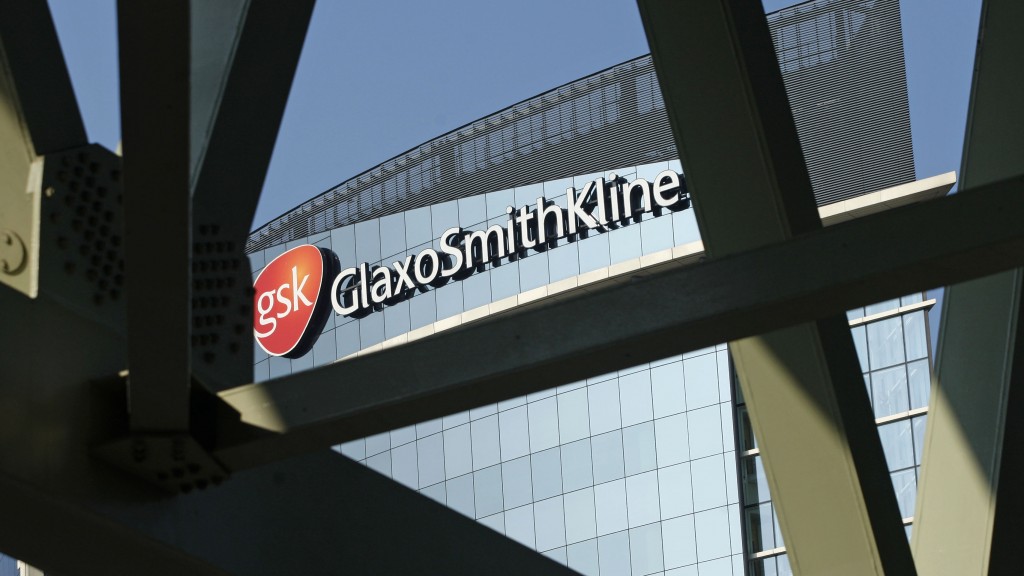
STAT+: GSK advancing ovarian cancer drug mo-rez

Want to stay on top of the science and politics driving biotech today? Sign up to get our biotech newsletter in your inbox.

It’s been a minute since I’ve wished you a good morning. Morning!

We’ve got some big news on Revolution Medicines’ pancreatic cancer treatment. But don’t miss GSK’s move to push an ovarian cancer ADC into five Phase 3 trials after striking early data. And Spyre Therapeutics released some competitive ulcerative colitis results. 

Continue to STAT+ to read the full story…

Read More

Published

on

Want to stay on top of the science and politics driving biotech today? Sign up to get our biotech newsletter in your inbox.

It’s been a minute since I’ve wished you a good morning. Morning!

We’ve got some big news on Revolution Medicines’ pancreatic cancer treatment. But don’t miss GSK’s move to push an ovarian cancer ADC into five Phase 3 trials after striking early data. And Spyre Therapeutics released some competitive ulcerative colitis results. 
Continue to STAT+ to read the full story…

Read More

Continue Reading
Click to comment

Leave a Reply

Your email address will not be published. Required fields are marked *

Uncategorized

StockWatch: Revolution’s Phase III Pancreatic Cancer Data Dazzles Investors, Analysts

Published

on

Pancreatic cancer is one of the most difficult cancers to treat, with an overall five-year survival rate of 13%, according to the American Cancer Society, stretching from 3% for metastatic (Stage 4) to 44% for localized (Stages 1 and 2).

Dismal odds such as these explain the enthusiastic response of investors when Revolution Medicine (NASDAQ: RVMD), a developer of RAS-addicted cancer therapies, announced dazzling data from its Phase III RASolute 302 trial (NCT06625320) evaluating its once-daily oral daraxonrasib in patients with metastatic pancreatic ductal adenocarcinoma (PDAC) who had been previously treated.

In the trial’s overall (intent-to-treat) study population, daraxonrasib showed a median overall survival (OS) of 13.2 months, nearly double the 6.7 months demonstrated for standard-of-care chemotherapy, with a hazard ratio (HR) of 0.40 (p < 0.0001). Daraxonrasib also presented what Revolution called a manageable safety profile and no new safety signals.

“These results represent a potentially transformative advance for patients and underscore daraxonrasib’s potential to redefine the treatment landscape. We are moving with urgency toward global regulatory submissions and remain committed to rapidly advancing this therapy for patients with a broad range of RAS-addicted cancers, Revolution’s CEO and chairman Mark A. Goldsmith, MD, PhD, said in a statement.

Investors and analysts largely agreed with Goldsmith. Revolution’s stock reacted to the data release by soaring 54% this past week, starting with a 41% surge that sent the share price soaring from $96.43 on April 10 to $136.30 on April 13. Since then, the stock has jumped another 12%, reaching $152.54 at Wednesday’s closing bell. Profit-taking by investors led to a 2% slide on Thursday (to $149.27) and a 0.43% dip on Friday (to $148.63).

“Our base case from stats sim [statistics simulation] was 11 vs. 7 mos, and based on our investor discussions, OS >12 months (and/or >6 mos delta vs. chemo) should drive meaningful stock upside,” Faisal Khurshid, an equity analyst with Jefferies, correctly predicted in an April 13 research note.

A “clear win” scenario, Khurshid explained, would show daraxonrasib with an OS of greater than 11 to 12 months, and/or a daraxonrasib difference vs. chemo of >4–6 months, and/or an HR of <0.5–0.6.

“Best-case outcome”

“The disclosed data materially exceeds these expectations,” Khurshid declared. “This is by any measure a best-case outcome for RVMD [emphasis in original]. Darax’s performance was roughly in line with the Ph1 experience, and chemo only slightly outperformed historical benchmarks.”

Revolution’s positive data sets the bar high for other cancer treatment developers—including Erasca (NASDAQ: ERAS), which is expected by the end of the first half to announce initial monotherapy data from its Phase I trial (NCT06983743) assessing ERAS-0015, a RAS-targeting molecule, in patients with RAS-mutant solid tumors.

Khurshid’s colleague at Jefferies, Maury Raycroft, PhD, noted Erasca has said it believes a >10% improvement in response rates in PDAC or non-small cell lung cancer compared to daraxonrasib could support ERAS-0015 as being differentiated from Revolution’s candidate, as would improvement in two or more safety/tolerability attributes, such as rash, gastrointestinal diseases, and stomatitis.

“Given the efficacy seen in ERAS’ 8 mg cohort and escalation to 40 mg, we remain (+)ve on the pot’l for stronger activity at higher doses,” Raycroft wrote in an April 13 research note. “That said, improved safety may be a key differentiator, particularly to enable combinations, especially as the competitive benchmark in PDAC continues to move higher.”

At Leerink Partners, Jonathan Chang, PhD, senior managing director, emerging oncology, and a senior research analyst, raised the firm’s 12-month share price target 28%, from $115 to $147, “to reflect greater conviction in pipeline opportunities.”

“Although RAS pathway drug development is highly competitive, we continue to believe encouraging clinical data from the innovative RAS(ON) platform, coupled with the large addressable population of RAS-dependent cancers, support a positive long-term outlook for RVMD,” Chang wrote.

Leerink colleague Andrew Berens, MD, senior managing director, targeted oncology, and a senior research analyst, observed that daraxonrasib could set a standard for positive data that several RAS-based cancer drug developers are working to improve upon, citing:

  • Adlai Nortye (NASDAQ: ANL): Its panRAS inhibitor AN9025 shares the same method of action as daraxonrasib but with potentially greater potency and durability. The company’s pipeline also includes AN4035, a panRAS antibody-drug conjugate.
  • BridgeBio Oncology Therapeutics (NASDAQ: BBOT): Its BBO-11818, a pan KRAS ON/OFF inhibitor, has shown efficacy signals in early PDAC clinical studies. “The more targeted ON/OFF approach may lead to greater potency and less toxicity.”
  • Immuneering (NASDAQ: IMRX): Its atebimetinib showed 64% OS at 12 months as a first-line pancreatic cancer treatment in updated data announced January 7.

“Not insurmountable”

“Dara[xonrasib] sets a high bar that is not insurmountable. The data for dara look encouraging, with a clear benefit over SOC [standard-of-care] chemo, but could leave room for other novel approaches to improve on efficacy and/or tolerability,” Berens wrote. “We think dara could be the first targeted therapy for RAS mutant PDAC patients and potentially become the 2L SOC, establishing RAS inhibitors as key backbone therapies in PDAC.”

That could lead to more RAS-based combination therapies, which Berens said has favorable implications for Tango Therapeutics (NASDAQ: TNGX)’s vopimetostat, an oral, selective PRMT5 inhibitor being studied in combinations with either daraxonrasib and another Revolution RAS(ON) cancer candidate, zoldonrasib, in a Phase I/II trial (NCT05732831).

Revolution said it plans to present its data at the American Society of Clinical Oncology’s 2026 ASCO Annual Meeting, set for May 29–June 2 in Chicago. Data will also be presented to regulators as Revolution files a New Drug Application (NDA) with the FDA, which has selected daraxonrasib for its Commissioner’s National Priority Voucher (CNPV).

Launched in October by FDA Commissioner Martin A. Makary, MD, CNPV is a pilot program that awards vouchers to drug developers whose work is deemed to address a health crisis in the United States, deliver more innovative cures, address unmet public health needs, and increase domestic drug manufacturing as a national security issue. In return, the vouchers entitle companies to reviews of their final applications within a target timeframe of 1–2 months rather than the current 10–12 months.

The stock surge boosted Revolution’s market capitalization (share price times the number of outstanding shares) to approximately $30 billion. That’s the midpoint of the $28 billion to $32 billion acquisition that Merck & Co. (NYSE: MRK) was pursuing for Revolution in January, according to the Financial Times. That prospective deal reportedly collapsed after the companies failed to agree on the value of daraxonrasib and Revolution’s other cancer-fighting candidates.

Merck never commented on its pursuit of Revolution, while AbbVie (NYSE: ABBV) flatly denied an earlier report that it sought to acquire the cancer drug developer. All the acquisition talk surrounding Revolution landed the company on GEN’s updated A-List Top 10 Takeover Targets of 2026, published March 9.

Cashing in

Revolution quickly cashed in on its positive data and stock surge, first proposing a $1 billion public offering of stock and debt, then doubling the size to $2 billion. The $2 billion offering consisted of concurrent public offerings of 10,563,381 shares of common stock at $142 per share (approximately $1.5 billion in gross proceeds) and $500 million of 0.50% convertible senior notes due 2033. Revolution also granted underwriters of the common stock offering a 30-day option to purchase up to an additional 1,584,506 shares.

J.P. Morgan, TD Cowen, and Guggenheim Securities are book-running managers for the stock and note offering, with LifeSci Capital acting as lead manager.

Daraxonrasib (formerly RMC-6236) is an oral RAS(ON) multi-selective, non-covalent inhibitor designed to target cancers driven by a variety of common RAS mutations, including PDAC, non-small cell lung cancer (NSCLC), and colorectal cancer. It is now under study in four global Phase III registrational trials—three in PDAC, the other in NSCLC. Daraxonrasib has been granted the FDA’s Breakthrough Therapy and Orphan Drug designations for the treatment of patients with previously treated metastatic PDAC harboring G12 mutations.

The RASolute 302 trial is a 501-patient global, randomized, registrational clinical study designed to evaluate the efficacy and safety of daraxonrasib as a monotherapy in patients with previously treated metastatic PDAC. Patients were randomized to receive either an oral dose of 300 mg daraxonrasib once daily or investigator’s choice of standard of care cytotoxic chemotherapy. The trial enrolled patients with metastatic PDAC harboring a wide range of RAS variants, including those with RAS G12 mutations (such as G12D, G12V, and G12R), as well as patients without an identified tumor RAS mutation (wild type).

Primary endpoints of RASolute 302 are OS and progression-free survival (PFS), as well as OS in patients with tumors harboring RAS G12 mutations. Secondary endpoints include PFS and OS in all enrolled patients (the intent-to-treat population) encompassing patients with and without identified tumor RAS mutations, as well as objective response rate, duration of response, and patient-reported quality of life.

Kailera makes history with $625M IPO

The “sign of life” StockWatch reported on last week when Avalyn Pharma filed paperwork for an initial public offering (IPO) is blooming this spring into a full blown comeback for IPOs, paced by what market watchers called the largest-ever public offering for a U.S. biotech—the eye-popping $625 million IPO carried out by Kailera Therapeutics—with at least two other companies submitting paperwork for filings of their own.

Kailera is a developer of therapies for obesity and weight management based on glucagon-like peptide receptor 1 (GLP-1) agonists, alone or in combination with glucose-dependent insulinotropic polypeptide (GIP) receptor agonists. The company priced an IPO on Thursday that generated $489.7 million in net proceeds through the sale of 39,062,500 shares of common stock at $16 per share—the high end of the pricing range of $14–$16.

On Kailera’s first full day of trading on Friday, investors showered the company with buys, propelling a 72% leap that sent shares to a high of $27.50 before the stock settled for a 62.5% gain, closing at an even $26.

The company earlier anticipated $458.7 million in net proceeds based on a $15 per share IPO price—though any $1 increase to the IPO price would increase what Kailera netted from the offering by an additional $31 million, according to an amended Form S-1 registration statement filed April 13 with the U.S. Securities and Exchange Commission (SEC).

Net proceeds could ultimately be even higher, since Kailera has granted its underwriters a 30-day option to purchase up to an additional 5,859,375 shares at the IPO price minus underwriting discounts and commissions. J.P. Morgan, Jefferies, Leerink Partners, TD Cowen, and Evercore ISI are joint book-running managers for the offering, with William Blair acting as lead manager.

Pipeline development

Kailera said the IPO plus its cash, cash equivalents, and marketable securities would give the company resources that it intended to spend on developing its four clinical-phase pipeline candidates, all in-licensed for $100 million upfront from Jiangsu Hengrui Pharmaceuticals (Shanghai Stock Exchange: 600276):

  • Ribupatide, the company’s lead product and a once-weekly injectable GLP-1/GIP receptor dual agonist peptide, including to fund three ongoing global Phase III KaiNETIC clinical trials into the second quarter of 2028 (more than $625 million, the estimate based on the $15 share price)
  • Oral ribupatide, a once-daily oral tablet formulation of ribupatide, including the funding of planned Phase III trials into the second quarter of 2028 (more than $150 million)
  • KAI-7535, a once-daily oral small molecule GLP-1 receptor agonist, including through the completion of a planned Phase II clinical trial (more than $50 million)
  • Other R&D activities, including development of KAI-4729, a once-weekly injectable GLP-1/GIP/glucagon receptor tri-agonist, as well as for working capital and other general corporate purposes (Remaining proceeds, not quantified)

Kailera gained exclusive global rights outside Greater China to Jiangsu Hengrui’s GLP-1 portfolio in 2024. That year, Kailera was launched with a $400 million Series A financing co-led by Atlas Venture, Bain Capital Life Sciences, and RTW Investments. Last October, Kailera garnered an additional $600 million in Series B financing led by a new investor, Bain Capital Private Equity.

“Our obesity-first approach seeks to capitalize on and improve upon proven science to advance product candidates which have the potential to maximize weight loss and address other critical needs in the current therapeutic landscape and to provide options, including oral options and alternative mechanisms, for people living with obesity no matter where they are in their treatment journey,” Kailera stated in its amended registration statement.

Kailera has adjusted the value of its cash and equivalents plus marketable securities from $652.728 million to a pro forma $1.142 billion in assets, reflecting the conversion of all outstanding preferred shares into common stock upon closing of the offering, plus an amended and restated certificate of incorporation.

Kailera’s IPO has surpassed the previous record-high among U.S. biotechs, the $604 million offering of Moderna (NASDAQ: MRNA) in December 2018, two years before the messenger RNA (mRNA) vaccine developer won FDA emergency authorization for its COVID-19 vaccine.

In the works

At least two other biotechs have filed Form S-1 registration statements for future IPOs in recent days, without disclosing how many shares they plan to raise or their offering prices.

  • Seaport Therapeutics is a developer of treatments for depression, anxiety, and other debilitating neuropsychiatric disorders based on its GlyphTM platform, a lymphatic-targeting prodrug technology designed to enhance a drug’s oral bioavailability and reduce side effects by bypassing first-pass metabolism. “Through our differentiated approach, we identify clinically validated mechanisms with established efficacy and safety profiles that have historically been limited by high first-pass metabolism, low bioavailability, and/or side effects,” Seaport stated in its Form S-1
  • Hemab Therapeutics, a developer of subcutaneous treatments for rare blood coagulation disorders, said its lead candidate, sutacimig (HMB-001), is a bispecific antibody in Phase I/II trials for the prophylactic treatment of Glanzmann thrombasthenia and Phase II studies for the prophylactic treatment of Factor VII deficiency. Another therapeutic candidate, HMB-002, is a monovalent antibody in Phase I/II trials for the subcutaneous prophylactic treatment of Von Willebrand disease. “We are building a franchise designed to address select coagulation disorders where we believe advances in biology, drug modality, and care delivery have the potential to meaningfully improve disease management,” Hemab stated in its Form S-1.

Leaders and laggards

  • MeiraGTx (NASDAQ: MGTX) shares yo-yoed, rising 26% from $8.97 to $11.29 Tuesday, after the company announced plans to present three-year data from its Phase I AQUAx trial (NCT04043104) evaluating AAV-hAQP1 in Grade 2/3 radiation-induced xerostomia. MeiraGTx reported “clinically meaningful” improvements in xerostomia symptoms, such as the average XQ score improving by 17 points (39.5%) at month 12, bilaterally treated participants reporting greater improvement than those treated unilaterally (21 points vs 13 points), and 75% of bilaterally-treated patients reporting transformative (≥10 point) improvement at month 12. After dipping 0.4% to $11.25 Wednesday, shares slumped 16% to $9.48 Thursday as MeiraGTx priced an approximately $100 million offering of 11,111,111 shares at $9 per share. Proceeds plus existing cash and cash equivalents are expected to fund commercial launches of AAV-hAQP1 and botaretigene sparoparvovec (“bota-vec”), a gene therapy for XLRP that MeiraGTx agreed to acquire from Johnson & Johnson (NYSE: JNJ) for $25 million cash upfront, a $50 million one-time payment tied to achieving specified regulatory and commercial milestones, plus a “mid-teens” royalty on global net sales starting on or after July 1, 2029.
  • Travere Therapeutics (NASDAQ: TVTX) shares soared 37% from $30.70 to $42.13 Tuesday after the rare disease drug developer won full FDA approval for Filspari® (sparsentan) in a second rare kidney disease. Filspari has become the first and only treatment for focal segmental glomerulosclerosis (FSGS), specifically to reduce proteinuria in adults and younger patients ages eight years and older with FSGS without nephrotic syndrome. Filspari won FSGS approval based on positive data from the Phase III DUPLEX trial (NCT03493685), where researchers reported a statistically significant 46% reduction in proteinuria from baseline to Week 108 in patients treated with Filspari vs. 30% for those treated with standard of care maximum labeled dose irbesartan, marketed by Sanofi (Euronext Paris: SAN) as Avapro®. Filspari first won FDA approval in 2023 to slow kidney function decline in adults with primary immunoglobulin A nephropathy (IgAN) who are at risk for disease progression.

The post StockWatch: Revolution’s Phase III Pancreatic Cancer Data Dazzles Investors, Analysts appeared first on GEN – Genetic Engineering and Biotechnology News.

Continue Reading

Uncategorized

STAT+: The race to catch KRAS, pancreatic cancer’s ‘greasy ball,’ and create the most promising drug in decades

Leanna Stokes had gotten into the habit of asking her oncologist what might be next for her treatment, and for good reason. Stokes, a 36-year-old gymnastics manager from New Rochelle, New York, had received one of the most difficult diagnoses in oncology: metastatic pancreatic cancer. Her oncologist kept mentioning two syllables, KAY-ras, referring to her cancer’s mutation on the KRAS gene. Mutations in this gene can make cancers more aggressive. But for Stokes, it was a possible key to extending her life.

“She always mentioned this — KRAS, KRAS, KRAS,” Stokes said of her oncologist. As Stokes proceeded to receive line after line of chemotherapy, she would remind herself, “It’s there. It’s there. It’s there. Then finally, it was my turn.”

Just a few years ago, such a refrain might have sounded odd to pancreatic cancer experts. For most of the nearly 50 years since KRAS was first discovered, scientists struggled to effectively drug the cancer protein. When Kevan Shokat, a biochemist at University of California, San Francisco, finally discovered how to drug a rare subset of KRAS mutant cancers, the first-generation drugs were a clinical disappointment. For the roughly 1% of pancreatic cancer patients who could receive them, the drugs improved outcomes only marginally, with resistance forming rapidly.

“We did not have a home run on the first effort,” said Channing Der, a pancreatic cancer researcher at the University of North Carolina, Chapel Hill. “It’s fair to say we’ve been disappointed by the durability of the responses.”

But once Shokat had shown it could be done at all, more and more companies jumped into developing drugs for KRAS, with new agents now regularly moving into clinical trials. The company leading the field has been Revolution Medicines, with the drug daraxonrasib, which targets KRAS and related proteins.

This was the drug that Stokes got on her clinical trial. It transformed her life, she said, enabling her to live far longer than most patients with her diagnosis. It’s also generating immense excitement among oncologists and drug developers, who say it heralds a new era for pancreatic cancer medicine and could bring new treatments for other cancer types with KRAS mutations including lung, colorectal, endometrial, and more. Beyond Revolution Medicines, dozens of other companies are also testing promising KRAS inhibitors in the clinic.

Continue to STAT+ to read the full story…

Read More

Published

on

Leanna Stokes had gotten into the habit of asking her oncologist what might be next for her treatment, and for good reason. Stokes, a 36-year-old gymnastics manager from New Rochelle, New York, had received one of the most difficult diagnoses in oncology: metastatic pancreatic cancer. Her oncologist kept mentioning two syllables, KAY-ras, referring to her cancer’s mutation on the KRAS gene. Mutations in this gene can make cancers more aggressive. But for Stokes, it was a possible key to extending her life.

“She always mentioned this — KRAS, KRAS, KRAS,” Stokes said of her oncologist. As Stokes proceeded to receive line after line of chemotherapy, she would remind herself, “It’s there. It’s there. It’s there. Then finally, it was my turn.”

Just a few years ago, such a refrain might have sounded odd to pancreatic cancer experts. For most of the nearly 50 years since KRAS was first discovered, scientists struggled to effectively drug the cancer protein. When Kevan Shokat, a biochemist at University of California, San Francisco, finally discovered how to drug a rare subset of KRAS mutant cancers, the first-generation drugs were a clinical disappointment. For the roughly 1% of pancreatic cancer patients who could receive them, the drugs improved outcomes only marginally, with resistance forming rapidly.

“We did not have a home run on the first effort,” said Channing Der, a pancreatic cancer researcher at the University of North Carolina, Chapel Hill. “It’s fair to say we’ve been disappointed by the durability of the responses.”

But once Shokat had shown it could be done at all, more and more companies jumped into developing drugs for KRAS, with new agents now regularly moving into clinical trials. The company leading the field has been Revolution Medicines, with the drug daraxonrasib, which targets KRAS and related proteins.

This was the drug that Stokes got on her clinical trial. It transformed her life, she said, enabling her to live far longer than most patients with her diagnosis. It’s also generating immense excitement among oncologists and drug developers, who say it heralds a new era for pancreatic cancer medicine and could bring new treatments for other cancer types with KRAS mutations including lung, colorectal, endometrial, and more. Beyond Revolution Medicines, dozens of other companies are also testing promising KRAS inhibitors in the clinic.

Continue to STAT+ to read the full story…

Read More

Continue Reading

Uncategorized

10x Genomics Unveils Atera Spatial Platform at AACR Meeting

Published

on

The genomics community’s long wait for 10x Genomics’ highly anticipated news is finally over. On Saturday night, at the Hard Rock Café Hotel in San Diego—across the street from the American Association for Cancer Research (AACR) conference—the company hosted the “Impossible” party to announce its new spatial instrument—the Atera.

Serge Saxonov, PhD, CEO of 10x Genomics, walking onto the stage to thunderous applause, noted that there is “a gap between what we need to see and what we have been able to measure.” The Atera, which enables whole-transcriptome spatial biology at scale, “obliterates the typical trade offs” that come with existing spatial tools, he said.

“This is the biggest launch in our history. I am the most excited I’ve ever been about any product, or any product category, across the board,” Saxonov told GEN. “It has been a long time in development, and it is what we have known the world needs for a long time. I think it will fundamentally change how we measure and understand biology, and it really puts research on a new trajectory. It is really exciting to be at a place now where we can deliver it to the world.”

Nuts and bolts

Atera offers more plex, throughput, and sensitivity than 10x Genomics’ Xenium—enabling whole-transcriptome at scale. More specifically, when compared to Xenium, Atera has four times the throughput, six times higher plex capacity for targeted assays, 3.6x higher plex, and 2–3x sensitivity for whole transcriptome assays.

10x Genomics Atera
10x Genomics Atera

The price for Atera is $495,000, and the instrument measures roughly 53” x 36” x 64” or (4.42 ft × 3 ft × 5.33 ft). Orders are currently being taken, and the instrument will be available in the second half of this year.

The instrument can run up to 800 1 cm2 whole transcriptome samples (FFPE and fresh frozen) per year, with flexible run configurations, and a greater than 5 cm² imageable area per slide (for greater than 2,000 mm² total tissue per run when using all four slides.)

There are 18,000-genes on the Atera WTA (whole transcriptome) with stackable customization of 1,000-gene Atera Select panels available now, and optional stacking of up to three 1,000-gene panels coming in the future.

“Spatial genomics with whole-transcriptome profiling capabilities is the ultimate approach to measure single cells in their tissue context,” Holger Heyn, PhD, ICREA professor at the Centro Nacional de Análisis Genómico (CNAG) and member of the Human Cell Atlas, added. “All other lower-plexity approaches have been just a warm-up phase leading to this application.”

Jasmine Plummer, PhD, associate member of the St. Jude Faculty and director of the Center for Spatial OMICs points out that the whole transcriptome, while exciting, can bring a big “sticker shock” for many researchers because it will require a lot more probes in contrast to a sequencing-based platform, where a library accesses all of the genes.

The instrument uses standard glass microscopy slides, which is exciting to Plummer. In the past, she said, slides have posed a challenge when coordinating with other researchers, and using regular slides will be more “pathology friendly.”

An end to tradeoffs? 

Existing spatial technologies, which are still relatively nascent in genomics, have been constrained by tradeoffs between plex, resolution, and throughput. Researchers have had to make choices and prioritize.

“In general, with the landscape as it is today, there is a tradeoff,” Nick Banovich, PhD, VP of scientific development at TGen, and professor of bioinnovation and genome sciences division and director of the Center for Spatial Multi-Omics (COSMO), told GEN. “The closer you walk toward whole transcriptome, the lower the per gene sensitivity.”

“The most exciting thing [about Atara],” he continued, “is that there is still quite good sensitivity with whole transcriptome breadth. That’s the huge advantage of this system; there is no tradeoff anymore.”

However, this launch comes just over three years after Xenium’s launch. Purchasing a new instrument so soon may pose a challenge. Plummer notes: “In this economy, with the uncertainty of scientific funding, it is concerning to ask customers—many of whom just landed a machine—to spend another several hundred thousand dollars.”

Why AACR?

Oncology is one of the most exciting, most promising applications of spatial, especially in the near term, noted Saxonov. This is, in large part, because the work exists across the spectrum—from basic discovery to translation to clinical applications. Spatial is unambiguously important, he asserted.

Unveiling at AACR “just made a lot of sense.”

In addition to the party, the company will host a digital launch event on Tuesday, April 21. Within the AACR program, a presentation from the German Cancer Research Center (DKFZ) will include data generated on the platform, highlighting Atera’s ability to uncover cancer biology not accessible with legacy approaches. Researchers distinguished multiple malignant and stem cell states across disease stages, within a single colorectal tumor sample, and mapped how these populations interact with the surrounding immune microenvironment. The data reveal a more complex immune landscape that could inform future therapeutic strategies and drug development. In addition, two posters (#7116, #6216) will include data from Atera.

The future

10x Genomics said that Atera will play a role in advancing large data studies. For example, the company noted that Atera will enable the goal of the Human Cell Atlas (HCA) as it continues its mission to map every cell type in the human body.

“With the Human Cell Atlas entering its next phase of generating spatially resolved atlases, whole-transcriptome approaches will be the workhorse for data generation,” Heyn told GEN.

“I am excited to see the Atara platform being launched now,” he added. “It is very timely as we ramp up production for the Human Cell Atlas 2.0 phase.”

Atera’s future

The company presented a roadmap with future plans at the AACR event, highlighting spatial proteomics, automation, base by base sequencing (a de novo sequencing assay) and software improvements.

Atera, Saxonov told GEN, is a fundamental platform that the company will continue enabling. It lays the groundwork for the next decade of research and work. This point in time, he said, feels similar to the early days of next generation sequencing (NGS). And although the company will continue to develop its other platforms and product lines, Atera has “massive amounts of headroom to keep building on top of it. It is the convergence of all these different technology stacks and different fields onto one.”

“What the platform can do right out of the gate is exciting. And all the things that it can do in the future will be really, really exciting,” he asserted.

The post 10x Genomics Unveils Atera Spatial Platform at AACR Meeting appeared first on GEN – Genetic Engineering and Biotechnology News.

Continue Reading
Advertisement

Trending