
Uncategorized
StockWatch: Price War Dampens Lilly Surge After Oral GLP-1 Wins FDA Nod

Eli Lilly (NYSE: LLY) won the approval it sought when the FDA authorized the company’s oral obesity drug Foundayo (orforglipron), but the pharma giant’s post-approval stock bounce was short-lived.
Lilly shares rose 4% from $919.77 to $954.52 on the day of the announcement. But the momentum reversed into a 2% loss to $935.58 on Thursday, and for one important reason beyond simply the overall market decline triggered by investors losing confidence in a speedy end to the Iran war.
Investors (as reflected in analysts’ mixed observations) appeared divided on how quickly Lilly can generate sales this year for Foundayo, a small molecule glucagon-like peptide-1 (GLP-1) receptor agonist. That division results from the competition shaping up on the drug’s price with obesity arch-rival Novo Nordisk (shares traded on Nasdaq Copenhagen as NOVO-B; ADRs traded on NYSE as NVO).
Novo Nordisk got a jump on Lilly in the oral obesity drug front in December when the Danish biotech giant won FDA approval for oral Wegovy® (semaglutide), a once-daily 25 mg tablet indicated for chronic weight management. Analysts consider oral Wegovy sales to have started strong, with total prescriptions reaching 577,000 and 52,000 filled during the week ending March 20.
Lilly is expected to make Foundayo available directly to patients through its LillyDirect direct-to-consumer services and support platform starting Monday. There, a starting dose of 0.8 mg is being priced at $149/month, rising to $199/month for 2.5 mg, $299/month for the 5.5 mg and 9 mg doses, and up to $349/month for the highest doses of 14.5 mg and 17.2 mg. However, high-dose patients will automatically receive the $299/month price on their first purchases and keep it if they refill their prescription within 45 days of their previous prescription.
Patients paying through commercial insurance plans will be eligible for discounts that reduce Foundayo’s out-of-pocket cost to patients for 1-, 2-, or 3-month prescription fills to $5 a month.
“A positive surprise is that the approval was for a tablet formulation, which is less expensive to manufacture” than the capsule versions studied by Lilly during clinical trials, David Risinger, a senior managing director and senior research analyst covering diversified biopharmaceuticals at Leerink Partners, shared in a research note.
Lilly told Risinger that it conducted a bioequivalence study comparing capsules to tablets, which, according to the company, can be manufactured more efficiently than capsules and use less active pharmaceutical ingredient. The high dose studied in Lilly’s Phase III trials of orforglipron, 36 mg, corresponds to the highest capsule dose of 17.2 mg.
Price competition
Lilly has sought to price its oral obesity drug competitively with Novo Nordisk’s oral Wegovy, which starts at $149/month for the lowest dose of 1.5 mg, then rises to $199/month for the 4 mg dose, with new patients paying $149/month through August 31. Prices rise to $299/month for 9 mg and 25 mg doses.
However, patients who sign up for a 12-month subscription to oral Wegovy through Novo Nordisk’s telemedicine partner-providers enjoy a $50 discount that brings their monthly cost down to $249. And commercial insurance patients who agree to local pharmacy pickup with a savings offer can pay as little as $25/month, subject to a maximum savings of $100/month.
The price competition explains why buyers of securities for themselves or clients—the “buy side” in Wall Street jargon—have lowered their 2026 forecasts for Foundayo sales by more than half, from about $4 billion to less than $2 billion, Trung Huynh, an analyst with RBC Capital Markets, wrote in a research note. Huynh cited a consensus of analysts which is projecting approximately $1.6 billion in 2026 sales, though a Reuters spot check of investment brokerages found a range for this year’s projected sales of $1.5 billion to $2.8 billion.
“Although there have been headwinds on pricing erosion in the GLP-1 space, we believe there is substantial upside with the expected Medicare Part D expansion later this year,” Huynh added. The expansion of sales to the Medicare Part D program would cap patient copays at $50 per month.
Huynh and RBC Capital have projected Foundayo will reach peak-year sales of $36 billion—14% above the $31.68 billion racked up by last year’s best-selling prescription drug, the multi-indication cancer immunotherapy blockbuster Keytruda® (pembrolizumab) marketed by Merck & Co. (NYSE: MRK).
The highest peak sales forecast comes from Citi Research, where Geoff Meacham, PhD, the firm’s head of healthcare research and a managing director specializing in U.S. pharma and biotech research, has projected more than $40 billion. At the low end, a consensus of analysts surveyed by Bloomberg News expects Foundayo peak sales to reach $18 billion by 2030.
$50M upfront
Both ends are a far, far cry from the $50 million upfront that Lilly paid in 2018 to license orforglipron, then called OWL833, from Chugai Pharmaceutical, which discovered the drug and is owned by Roche Holding (SIX Swiss Exchange: ROP and RO; OTCQX: RHHBY). Lilly also agreed to pay Chugai up to $390 million in potential payments tied to achieving milestones.
At the time, OWL833 was deemed Phase I ready for clinical studies in type 2 diabetes—the indication for which Lilly markets its GLP-1/GIP (glucose-dependent insulinotropic polypeptide) receptor agonist tirzepatide as Mounjaro®, and Novo Nordisk markets its GLP-1 receptor agonist semaglutide as Ozempic®.
“Overall, we continue to believe that injectable anti-obesity medications will retain the majority of market share (roughly 80%, based on our estimates) in the United States due to the high potency of injectables coupled with a more elevated U.S. BMI population,” Andy T. Hsieh, PhD, a partner and biotechnology analyst with William Blair, wrote in a research note.
Beyond competitive pricing and lower manufacturing costs, Lilly has emphasized a convenience advantage over oral Wegovy—starting with its public announcement of the approval, whose headline referred to Foundayo as “the only GLP-1 pill for weight loss that can be taken any time of day without food or water restrictions.”
While Foundayo can be taken morning, afternoon, or evening, oral Wegovy, by contrast, requires patients to take the pill with up to 4 ounces of water on an empty stomach as soon as they wake up, then fast for 30 minutes before they can eat or drink.
“Accordingly, we expect Foundayo to blunt the uptake of oral Wegovy upon its availability (starting on April 6), though oral Wegovy retains a pricing advantage,” Hsieh concluded.
Huynh of RBC Capital agreed, citing a survey by his firm of about 200 patients, payers, and prescribers: “Our recent survey indicated that Foundayo would be a preferred oral option amongst patients since it has no dosing restrictions.”
Not so, Novo Nordisk CEO Maziar (Mike) Doustdar told CNBC last month: “People are really interested because it’s the most efficacious pill right now in the market.”
Novo Nordisk cites efficacy
Novo Nordisk sought to reinforce that message via an announcement trumpeting that its 25 mg dose of oral Wegovy showed “significantly” greater mean weight loss than the 36 mg dose of Foundayo, according to a population-adjusted indirect treatment comparison using data from two clinical trials:
- OASIS 4 (NCT05564117), a 307-patient randomized study which evaluated once-daily oral Wegovy 25 mg in overweight or obese adults with at least one self-reported unsuccessful dietary effort to lose body weight, to measure their percentage change in body weight and whether it was ≥5% at the end of treatment at week 64.
- ATTAIN-1 (NCT05869903), a 72-week, randomized, double-blind, placebo-controlled trial comparing the efficacy and safety of orforglipron (6 mg, 12 mg, and 36 mg) as monotherapy vs. placebo in 3,127 adults with obesity, or overweight with at least one of the following comorbidities: hypertension, dyslipidemia, OSA, or cardiovascular disease, who did not have diabetes.
Novo Nordisk plans to present details of its study, called ORION, at the Obesity Medicine Association’s annual Obesity Medicine 2026 conference, set for April 10-12 in San Diego.
News of the FDA approval for Foundayo caused Novo Nordisk shares to dip 0.1% Wednesday from DKK 231.15 ($35.65) to DKK 230.90 ($35.61). But the shares finished the trading week climbing nearly 3% Thursday to DKK 236.90 ($36.53).
U.S. and major European markets were closed on Friday in observance of Good Friday.
Foundayo is the fifth prescription drug to be authorized under the FDA’s Commissioner’s National Priority Voucher program, through which the agency awards vouchers to drug developers whose work will address a health crisis in the United States, deliver more innovative cures, address unmet public health needs, and increase domestic drug manufacturing as a national security issue.
The approval came nearly 10 months ahead of Foundayo’s target decision date of January 20, 2027, under the PDUFA (Prescription Drug User Fee Act) program, and just 50 days after Lilly filed a new drug application (NDA) for the oral obesity drug with the FDA.
Leaders and laggards
- Inovio Pharmaceuticals (NASDAQ: INO) shares nosedived 35% from $1.74 to $1.13 Thursday after the developer of DNA therapies to treat and prevent HPV-related diseases, cancer, and infectious diseases announced that it priced at $1.40 a share an underwritten public offering of 12.5 million shares of common stock, plus accompanying Series A and Series B warrants, each series enabling potential purchase of up to 12.5 million shares (or pre-funded warrants in lieu thereof). The dilutive offering is projected to raise $17.5 million in gross proceeds—$16 million in net proceeds, rising to $18.4 million if underwriter Piper Sandler exercises in full its 30-day option to purchase up to 1.875 million additional shares and all Series A and Series B warrants (1.875 million shares each series). Net proceeds are intended to fund a potential commercial launch of INO-3107, a recurrent respiratory papillomatosis candidate under FDA review with a target decision date of October 30, as well as a confirmatory trial for INO-3107 if required, pipeline development, and general corporate purposes.
- Oric Pharmaceuticals (NASDAQ: ORIC) shares tumbled 19% from $12.67 to $7.47 Wednesday after the cancer drug developer said it will advance rinzimetostat (ORIC-944) into a 600-patient Phase III trial (Himalaya-1 ) after generating positive data from its Phase Ib trial (NCT05413421) assessing rinzimetostat plus the Bayer (XETRA: BAYN)-marketed Nubeqa® (darolutamide) as a once-daily treatment for metastatic castration-resistant prostate cancer (mCRPC) in patients previously treated with abiraterone acetate (abiraterone). At a median follow-up of 4.9 months, the combination showed radiographic progression-free survival (rPFS) rates of 93% at 3 months, 84% at 4 months, and 84% at 5 months—rates consistent, Oric said, with the competitor PRC2 inhibitor currently in Phase III in post-abiraterone mCRPC patients and superior to available standard-of-care therapies showing rPFS rates of approximately 60% to 75%. Also, 47% of patients (7/15) achieved a PSA50 response, with 33% (5/15) confirmed, while 71% of patients (10/14) achieving >50% circulating tumor (ctDNA) reduction. Jefferies analyst Maury Raycroft, PhD, reported that some investors viewed rinzimetstat as “a better fit strategically” with Johnson & Johnson (NYSE: JNJ)-marketed Erleada® (apalutamide).
- Sangamo Therapeutics (NASDAQ: SGMO) shares climbed 20% from 25 cents to 30 cents between Tuesday and Thursday after the genetic medicine developer said it expects to complete this summer its rolling Biologics License Application (BLA) submission seeking FDA approval for isaralgagene civaparvovec (ST-920), a gene therapy candidate being developed to treat Fabry disease, subject to securing adequate additional funding, while continuing business development discussions for a potential Fabry commercialization agreement. Sangamo said it is advancing the chemistry, manufacturing, and controls (CMC) module ahead of completion of the rolling BLA submission. Since launching its rolling BLA submission in December under an Accelerated Approval pathway, Sangamo has submitted preclinical and clinical modules, as well as submitted its antibody assay companion diagnostic, designed to screen patients for eligibility with isaralgagene civaparvovec, to the FDA’s Center for Devices and Radiological Health (CDRH), seeking Premarket Approval (PMA).
The post StockWatch: Price War Dampens Lilly Surge After Oral GLP-1 Wins FDA Nod appeared first on GEN – Genetic Engineering and Biotechnology News.

Uncategorized
Opinion: STAT+: Former Geisinger CEO: U.S. health systems must replace huge numbers of people with AI
About 20 years ago, I stepped on stage at one of our Geisinger town halls and looked out upon a sea of people: thousands of full-time employees at an integrated health system charged with the health and well-being of millions of Pennsylvanians.
Only a fraction of the people in that room were clinicians.
That was the first time I fully visualized the problem: We employed more people in our revenue cycle department to process bills and reconcile data than we did doctors. And we weren’t alone. It’s the same story at every health system in America, large and small, and over the past two decades, the ratio has become dramatically more disparate.

About 20 years ago, I stepped on stage at one of our Geisinger town halls and looked out upon a sea of people: thousands of full-time employees at an integrated health system charged with the health and well-being of millions of Pennsylvanians.
Only a fraction of the people in that room were clinicians.
That was the first time I fully visualized the problem: We employed more people in our revenue cycle department to process bills and reconcile data than we did doctors. And we weren’t alone. It’s the same story at every health system in America, large and small, and over the past two decades, the ratio has become dramatically more disparate.
Uncategorized
A star scientist showed that better genetics lessons could reduce racism. It was the death knell for his career
Every year, the Genetics Society of America bestows the Elizabeth W. Jones Award for Excellence in Education, recognizing someone who has helped the public better understand the science of DNA. It’s understood to be a lifetime achievement award; past recipients tend toward retirement age with decades of work behind them and stacks of textbooks to their names.
When this year’s winner, Brian Donovan, was announced at the end of February, many geneticists and science educators found it hard to celebrate the news. Not because he’s undeserving of the honor. Far from it. But because it seemed to confirm what many feared: that Donovan’s incandescent research career was over before it had barely begun.

Every year, the Genetics Society of America bestows the Elizabeth W. Jones Award for Excellence in Education, recognizing someone who has helped the public better understand the science of DNA. It’s understood to be a lifetime achievement award; past recipients tend toward retirement age with decades of work behind them and stacks of textbooks to their names.
When this year’s winner, Brian Donovan, was announced at the end of February, many geneticists and science educators found it hard to celebrate the news. Not because he’s undeserving of the honor. Far from it. But because it seemed to confirm what many feared: that Donovan’s incandescent research career was over before it had barely begun.
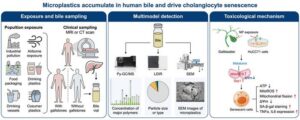
Microplastics have become a defining environmental signature of modern life, turning up in oceans, soil, food, drinking water, and even the air. But their biological fate inside the human body remains far less understood. A new study suggests that these particles may be doing more than simply passing through. Instead, they may be accumulating in one of the body’s most overlooked fluids—bile—and leaving behind measurable cellular damage that could shape future thinking about environmentally driven biliary injury and long‑term health effects. As the authors noted in their abstract, “the long-term accumulation patterns and chronic toxic effects of microplastics within the human biliary system are largely unknown,” underscoring the need for deeper investigation into how these particles behave in the enterohepatic circulation.
Researchers from the Tenth Affiliated Hospital of Southern Medical University (Dongguan People’s Hospital), Sun Yat-sen University, Guilin Medical University, and collaborating institutions reported the findings in Environmental Science and Ecotechnology. Their study, “Microplastics accumulate in human bile and drive cholangiocyte senescence,” provides the first direct evidence that microplastics are not only present in bile but may also contribute to mitochondrial dysfunction and premature aging in cholangiocytes, the epithelial cells that line the bile ducts.
The team collected bile from 14 surgical patients (five without gallstones and nine with gallstones) and used a multimodal analytical approach—pyrolysis–gas chromatography–mass spectrometry, laser direct infrared spectroscopy, and scanning electron microscopy—to characterize the particles. According to the paper, “we show the universal presence of microplastics in human bile,” identifying six polymer types dominated by polyethylene terephthalate and polyethylene, with most particles measuring 20–50 μm. Patients with gallstones carried substantially higher microplastic burdens, raising questions about whether biliary stasis or altered bile composition may influence microplastic retention.

To probe biological effects, the researchers exposed cultured human cholangiocytes to low-dose polystyrene nanoplastics for seven days, simulating chronic exposure. The cells exhibited mitochondrial dysfunction, elevated reactive oxygen species, reduced ATP, Drp1‑mediated mitochondrial fission, and G1 cell‑cycle arrest—hallmarks of senescence. As the authors wrote, chronic exposure “induces mitochondrial dysfunction-associated senescence in cholangiocytes,” suggesting a mechanistic link between environmental microplastics and biliary aging.
One of the most intriguing findings is that melatonin, a widely used antioxidant, partially reversed the mitochondrial and inflammatory damage. While far from a therapeutic recommendation, the result hints at a potential intervention point and gives the study translational relevance.
The work reframes the biliary system as something far more active than a simple transit channel. The data indicate that bile can serve as a reservoir for microplastics and that prolonged exposure may age cholangiocytes by driving mitochondrial dysfunction. The partial rescue with melatonin adds a mechanistic foothold for future intervention, even as the authors caution that broader human studies are essential.
For biotech, the implications are broad. The work highlights bile as a clinically accessible matrix for exposure assessment, opening the door to new diagnostics for environmental toxicology. The mitochondrial stress signature aligns with pathways already being targeted by companies developing senolytics, mitoprotective agents, and anti‑inflammatory therapeutics. The authors wrote that the research provides “a mechanistic foundation for assessing the health risks of plastic pollution and developing therapeutic interventions for environmentally driven biliary disorders.”
The post Microplastics in Human Bile Drive Mitochondrial Dysfunction and Senescence appeared first on GEN – Genetic Engineering and Biotechnology News.


Illinois’ financial crisis could bring the state to a halt
The final 6 ‘Game of Thrones’ episodes might feel like a full season
New Season 8 Walking Dead trailer flashes forward in time
Mod turns ‘Counter-Strike’ into a ‘Tekken’ clone with fighting chickens
Meet Superman’s grandfather in new trailer for Krypton
Disney’s live-action Aladdin finally finds its stars

A star scientist showed that better genetics lessons could reduce racism. It was the death knell for his career

Opinion: STAT+: Former Geisinger CEO: U.S. health systems must replace huge numbers of people with AI

Microplastics in Human Bile Drive Mitochondrial Dysfunction and Senescence

STAT+: Health insurers score major win with higher 2027 Medicare Advantage rates

CRISPR at 25: The Past, Present, and Future of Genome Editing
Immunotherapy Enhanced by Restoring Mitochondrial Function in Dendritic Cells
Illinois’ financial crisis could bring the state to a halt
The final 6 ‘Game of Thrones’ episodes might feel like a full season
New Season 8 Walking Dead trailer flashes forward in time
Mod turns ‘Counter-Strike’ into a ‘Tekken’ clone with fighting chickens
Meet Superman’s grandfather in new trailer for Krypton
Disney’s live-action Aladdin finally finds its stars
-
 Uncategorized9 years ago
These ’90s fashion trends are making a comeback in 2017
-
Contributors9 years ago
The final 6 ‘Game of Thrones’ episodes might feel like a full season
-
Uncategorized9 years ago
According to Dior Couture, this taboo fashion accessory is back
-
Uncategorized9 years ago
The old and New Edition cast comes together to perform
-
Uncategorized9 years ago
Phillies’ Aaron Altherr makes mind-boggling barehanded play
-
Uncategorized9 years ago
Uber and Lyft are finally available in all of New York State
-
Uncategorized9 years ago
Disney’s live-action Aladdin finally finds its stars
-
Uncategorized9 years ago
Steph Curry finally got the contract he deserves from the Warriors