
Uncategorized
New drug displays anti-inflammatory and neuroprotective effects in ALS

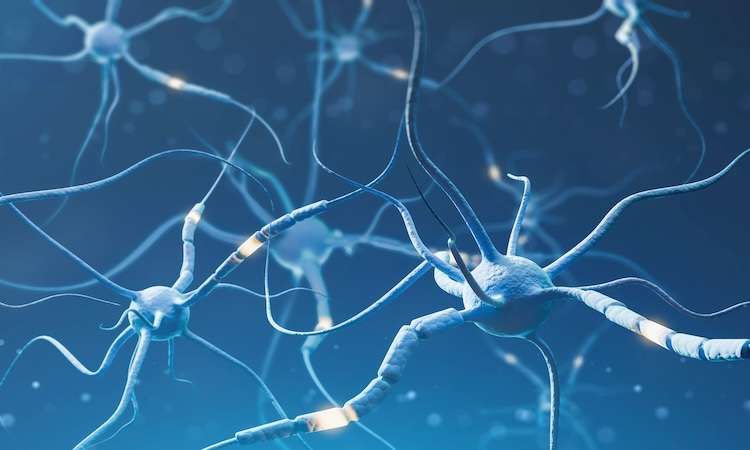

NRG Therapeutics has shared preclinical and mechanistic data of its lead clinical asset NRG5051, a treatment for amyotrophic lateral sclerosis (ALS), also known as motor neuron disease (MND), and Parkinson’s.
NRG disclosed that NRG5051, a first-in-class, orally bioavailable and CNS-penetrant next-generation inhibitor of the mitochondrial permeability transition pore (mPTP), acts through a novel NLRX1-mediated mechanism of action.
The scientists at NRG and their collaborators at WEHI are among the first to demonstrate that NLRX1 is essential for mPTP opening, establishing it as a key component or regulator of pore function.
NLRX1 belongs to the NOD-like receptor family, a group of proteins that sense cellular stress and regulate immune responses. NLRX1 is unique within this family in being localised to the mitochondria.
The mPTP is a key inner mitochondrial membrane channel implicated in the toxic effects of misfolded TDP43, which accumulates in mitochondria and triggers energetic failure and a damaging interferon response.
Data presented confirmed that NRG5051 displays profound anti-inflammatory and neuroprotective effects in acute NLS-TDP43 ALS mouse models, including reduced plasma neurofilament light (NfL) chain, a translatable fluid biomarker of neuronal damage.
Disease modifying ALS treatment
NRG5051 is currently in a Phase I clinical trial in healthy volunteers. Dosing in ALS patients is scheduled for later this year which will inform dose selection for future Phase II trials in ALS patients planned for 2027.
NRG Therapeutics’ Co-Founder and CEO Neil Miller said: “Alongside advancing NRG5051 through preclinical studies and now into human clinical trials, we are pleased to have unravelled its novel mode of action in modulating the mPTP. Prevention of mPTP opening, via NLRX1, restores mitochondrial integrity and protects the function of vulnerable neurons. NRG5051 has the potential to be a truly disease-modifying medicine, offering a major step forward in our goal to slow or prevent the progression of ALS and other neurodegenerative diseases.”
The post New drug displays anti-inflammatory and neuroprotective effects in ALS appeared first on Drug Discovery World (DDW).

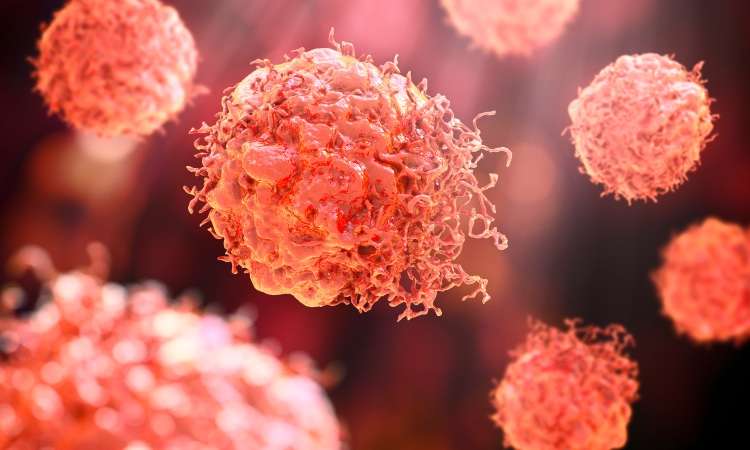

Hosted by Drug Discovery World and supported by Sartorius and BioIVT, this webinar will explore the opportunities and challenges that exist within cancer research drug discovery and development.
You will hear from Dr Sudha Rao, Chief Scientific Officer of Kazia Therapeutics, Karol Budzik, PhD, Business Development Associate at Vyriad Therapeutics and Lars van der Veen, Chief Scientific Officer at iOnctura.
Presentations will cover how cancer treatments have shifted towards reprogramming the biology driving tumour growth, immune escape and treatment resistance, the trajectory that in vivo CAR-T treatments are taking, and how challenging tumours burdened by stroma and immune-mediated resistance can be tackled.
Q&A with the speakers follows the presentations.
The post New webinar: Tackling drug discovery challenges in cancer research appeared first on Drug Discovery World (DDW).
Amid the rise of psychedelics in the mental health space, researchers have begun to explore psilocybin as a treatment for chemotherapy-induced peripheral neuropathy.
Uncategorized
New Spectrometry Technique Could Aid Formulation Development
New Spectrometry Technique Could Aid Formulation Development
A new technique combining two forms of spectrometry could help biopharmaceutical companies improve their choice of formulation buffer for antibody manufacturing by revealing how molecular forms and three-dimensional shapes of complex biologics respond to their environment. That’s the view of Christian Bleiholder, PhD, a professor at Florida State University who helped develop the technique.
According to Bleiholder, what happens structurally when a complex biological molecule, such as an antibody or viral spike protein, binds to its target is currently poorly understood.
“This is where [this approach] can help with the bioprocessing and formulation,” he says, as structural changes “can affect the lifespan [of the product] and lead to issues, such as aggregation.”
Because antibodies are complex, existing techniques tend to be powerful at different levels of complexity, he explains. Mass spectrometry is particularly powerful for distinguishing molecular composition, while structural approaches such as X-ray crystallography and cryo-electron microscopy can provide high-resolution structural information.
The challenge is understanding the link between these things within a heterogeneous sample, he says.
To overcome this, Bleiholder and his team worked with Bruker Daltonics to develop Tandem-Trapped Ion Mobility Spectrometry (Tandem-TIMS). This combines tandem ion mobility spectrometry with tandem mass spectrometry to disentangle three overlapping layers of molecular complexity: molecular form, three-dimensional shape, and binding or assembly state, he says.
He explains that, if the proteins have different structures, they can be characterized with tandem ion mobility spectrometry, and then mass spectrometry can be used to look at their molecular forms and binding states.
Going forward, Bleiholder hopes the technique can be used for formulation development but also earlier, during drug discovery of new products, such as multi-specific antibodies, to determine which molecular states are important and how those change when a biologic engages its target. He also plans to look at automating the technique.
Bleiholder spoke about using Tandem-TIMS at the Bioprocessing Summit in Boston earlier this year.
The post New Spectrometry Technique Could Aid Formulation Development appeared first on GEN – Genetic Engineering and Biotechnology News.


Revolution Medicines Presents Updated Phase 1/2 Data for Rasonque (daraxonrasib) Plus Chemotherapy in First-Line Metastatic Pancreatic Cancer at ENA 2026

StockWatch: Insmed Jumps on Report of Takeover Interest by Sanofi, as Analysts Conclude a Deal Would Make Sense

Single Hyaluronic Acid Injection Matches Three-Dose Therapy for Knee Osteoarthritis

Blood and Gut Cell Analyses Match 140 Inflammatory Bowel Disease Risk Loci

Study Details Chlamydia and Gonorrhea Co-Infection Rates in Hospital Patients

Ribociclib shows promise for specific recurrent endometrial cancer subtypes in clinical trial
-
 Uncategorized8 months ago
Novartis buys Synnovation’s PI3Kα inhibitors for $3 billion
-
Endpoints News8 months ago
Novartis to pay $2B upfront to take next-gen PI3Kα inhibitor from Synnovation
-

 Uncategorized7 months ago
Optical Pooled CRISPR Screen Reveals Regulators of NF-κB Dynamics in Human Cells
-
Uncategorized6 months ago
Relay’s PI3Kα inhibitor clears efficacy bar in Phase 2 vascular anomalies study
-
Uncategorized6 months ago
Hybrid solid−liquid optics enable scalable, high-resolution light-sheet microscopy across diverse immersion media
-
Fierce Biotech8 months ago
Scientists turn pig semen extract into eye drops that kill cancer in mice
-
Nature Biotechnology8 months ago
Sustained nitric oxide production by engineered E. coli remodels the tumor microenvironment and potentiates immunotherapy
-
Nature Biotechnology8 months ago
Mapping cis-regulatory mutations at scale in sorghum enables modulation of gene expression
 Scan to Read