
Uncategorized
The lightbulb moment behind a potential antiviral breakthrough



An unexpected observation by a University of Queensland (UQ) researcher could lead to a new treatment for deadly infectious diseases including Covid‑19, pneumonia in infants and children, or viral infections caused by Ebola and hantavirus.
UQ’s Australian Institute for Bioengineering and Nanotechnology neuroscientist and biochemist Dr Merja Joensuu said the idea came while working on unrelated research. “We were studying how certain processes work inside the human brain when I noticed a disruption in a pathway that numerous human viruses rely on to spread from one cell to the next. That was the lightbulb moment. We realised that if we interfere with that pathway, we might be able to stop viruses from forming properly.”
With her collaborator Professor Giuseppe Balistreri from the University of Helsinki, the research team searched for a compound that could inhibit this pathway and found one currently being trialled as a cancer treatment.
Human enzyme N‑myristoyltransferase 1 (NMT1), which helps direct where proteins are located and how they function within human cells, was the compound’s target.
“Viruses can’t reproduce on their own, so they hijack human cells to make new copies,” Professor Balistreri said. “This drug disrupts how the cell functions, causing new viruses to be assembled incorrectly. The virus doesn’t know this and keeps making and releasing less-effective versions of itself, which would give the immune system time to clean up the infection.”
Drug testing
In laboratory studies, the researchers tested the drug against a range of viruses in cell cultures including SARS‑CoV‑2 (which causes Covid‑19), respiratory syncytial virus, a major cause of pneumonia in infants, and vesicular stomatitis virus, which causes disease in cattle, horses and occasionally humans. They found infection levels dropped by about half after one day, and by up to 90% after two days.
“The reduction is quite striking,” Dr Joensuu said. “The study also suggests this strategy could potentially work on viruses with high mortality rates and long incubation time like Ebola and hantavirus. All viruses rely on exploiting host cell processes to replicate and spread. Because we are interfering with the host cell instead of directly targeting the virus, there is less chance of it mutating and building resistance to the drug.”
Researchers emphasised the drug is not yet approved for this use, with further studies needed to confirm safety and effectiveness, but Dr Joensuu said it showed a lot of promise. “You can imagine that this could be a very effective antiviral, for example with treating respiratory conditions, used in the form of a nasal spray or an inhaler,” she said.
The post The lightbulb moment behind a potential antiviral breakthrough appeared first on Drug Discovery World (DDW).

Uncategorized
STAT+: Michigan Supreme Court ruling allows probe into Lilly insulin pricing
A divided Michigan Supreme Court ruled on Friday that the state’s attorney general may investigate Eli Lilly over its pricing practices for insulin.
In its 4-to-3 decision, the court rejected a lower court decision that prevented Michigan Attorney General Dana Nesel from proceeding with a probe that began four years ago. At the time, Nessel cited state consumer protection laws, alleging the drug maker had artificially increased the price of its insulin medication.
Lilly was accused of charging “grossly” excessive prices for three different insulin products — Lispro, Humalog and Basaglar — that forced some patients to ration or forego insulin, restrict their diets or buy less-effective alternatives. These practices led to “serious disability and even death in some patients,” the state wrote in court documents at the time.
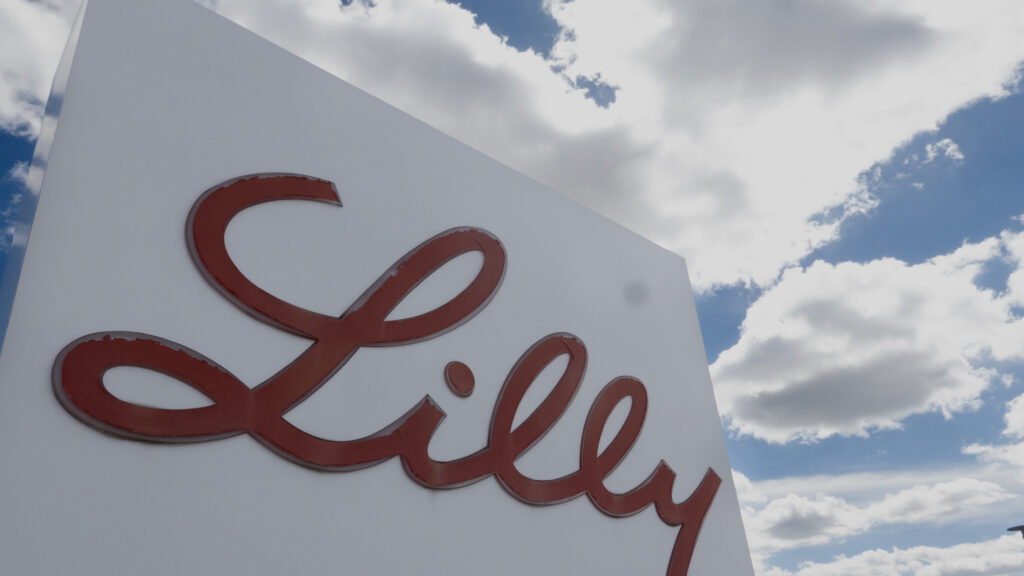
A divided Michigan Supreme Court ruled on Friday that the state’s attorney general may investigate Eli Lilly over its pricing practices for insulin.
In its 4-to-3 decision, the court rejected a lower court decision that prevented Michigan Attorney General Dana Nesel from proceeding with a probe that began four years ago. At the time, Nessel cited state consumer protection laws, alleging the drug maker had artificially increased the price of its insulin medication.
Lilly was accused of charging “grossly” excessive prices for three different insulin products — Lispro, Humalog and Basaglar — that forced some patients to ration or forego insulin, restrict their diets or buy less-effective alternatives. These practices led to “serious disability and even death in some patients,” the state wrote in court documents at the time.
Post Content
Uncategorized
Capricor CEO won’t rule out legal action against FDA after negative adcomm
Capricor CEO won’t rule out legal action against FDA after negative adcomm
After an FDA advisory committee voted 9-3 on Wednesday against recommending Capricor Therapeutics’ Duchenne muscular dystrophy cardiomyopathy drug for approval, stakeholders allege an “ulterior motive” and “biased intentions.” Read More


Illinois’ financial crisis could bring the state to a halt
The final 6 ‘Game of Thrones’ episodes might feel like a full season
New Season 8 Walking Dead trailer flashes forward in time
Mod turns ‘Counter-Strike’ into a ‘Tekken’ clone with fighting chickens
Meet Superman’s grandfather in new trailer for Krypton
Disney’s live-action Aladdin finally finds its stars

STAT+: Michigan Supreme Court ruling allows probe into Lilly insulin pricing
De novo L-(+)-tartaric acid biosynthesis in multi-modular engineered yeasts
Capricor CEO won’t rule out legal action against FDA after negative adcomm
Ketamine Triggers Sex-Specific Brain Recovery Responses

STAT+: Trump administration revises rebate pilot for 340B drug discount program, angering hospitals
Microbiota-Derived Metabolite Enhances HIV Therapy in Monkeys
Illinois’ financial crisis could bring the state to a halt
The final 6 ‘Game of Thrones’ episodes might feel like a full season
New Season 8 Walking Dead trailer flashes forward in time
Mod turns ‘Counter-Strike’ into a ‘Tekken’ clone with fighting chickens
Meet Superman’s grandfather in new trailer for Krypton
Disney’s live-action Aladdin finally finds its stars
-
Fierce Biotech4 months ago
Scientists turn pig semen extract into eye drops that kill cancer in mice
-
 Uncategorized9 years ago
These ’90s fashion trends are making a comeback in 2017
-
Endpoints News5 months ago
Novartis to pay $2B upfront to take next-gen PI3Kα inhibitor from Synnovation
-
 Uncategorized4 months ago
Novartis buys Synnovation’s PI3Kα inhibitors for $3 billion
-
Uncategorized9 years ago
According to Dior Couture, this taboo fashion accessory is back
-
Uncategorized9 years ago
Phillies’ Aaron Altherr makes mind-boggling barehanded play
-
Uncategorized9 years ago
Steph Curry finally got the contract he deserves from the Warriors
-
Uncategorized9 years ago
Uber and Lyft are finally available in all of New York State