

Uncategorized
Comprehensive Human Vagus Nerve Map Unveiled

Scientists at Northwell Health’s Feinstein Institutes for Medical Research said they have released the world’s first comprehensive human vagus nerve anatomical map. The achievement could change our understanding of the autonomic nervous system and accelerate the development of bioelectronic medicine and neuromodulation therapies, according to the researchers.
The first dataset release, collected over three years from 30 human donors encompassing 60 vagus nerves, is now available to the global scientific community via SPARC Science.
The vagus nerve is the longest cranial nerve and a critical “information superhighway,” consisting of two main bundles (one on the left side of the neck and the other on the right side of the neck) containing more than 200,000 individual nerve fibers stretching from the brainstem to all major organs.
The nerve manages automatic functions such as heart rate, breathing and digestion, and serves as the body’s “on/off switch” for immune response and inflammation. To better understand the function of each vagal fiber, this new dataset resource offers a 3D view into the intricate anatomy of the human vagus nerve, utilizing techniques such as microCT imaging, immunohistochemistry, and ultrasound.
By mapping the organization of fascicles and fibers, investigators expect to gain critical insights into how the vagus nerve communicates with various organs and influences human health and disease.
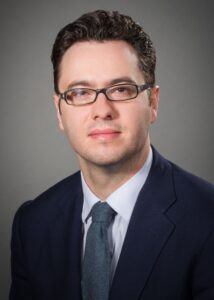
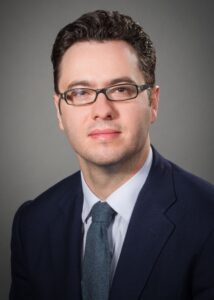
“This dataset represents a major step forward in bioelectronic medicine, offering the most detailed anatomical reconstruction of the human vagus nerve to date,” said Stavros Zanos, MD, PhD, associate professor in the Institute of Bioelectronic Medicine at the Feinstein Institutes and co-leader of the project. “For the first time, we can visualize the vagus nerve’s complex architecture that will allow us to design more precise, effective and safe neuromodulation therapies and devices.”
The accomplishment marks a milestone that began with a $6.7 million National Institutes of Health (NIH) grant awarded to the Feinstein Institutes in October 2022 for its Reconstructing Vagal Anatomy (REVA) project, part of the NIH Common Fund’s SPARC program. The successful delivery of the map was supported by Peter J. Pappas, Jr., whose donation provided philanthropic support towards the goals of this project.
![Kevin J. Tracey, MD [[Feinstein Institutes]](https://www.genengnews.com/wp-content/uploads/2026/07/web_Tracey_Kevin_FIMR-300x205.jpg)
“Decoding the vagus nerve’s intricate language is an important advance for science and medicine,” said Kevin J. Tracey, MD, president and CEO of the Feinstein Institutes, Karches Family Distinguished Chair in Medical Research and author of the book The Great Nerve: The New Science of the Vagus Nerve and How to Harness Its Healing Reflexes. “This knowledge will further empower researchers to re-engineer human biology and unlock novel therapies for future patients.”
The Feinstein Institutes for Medical Research is a global scientific leader in bioelectronic medicine and vagus nerve stimulation, where medical researchers use modern technology to develop new device-based therapies to treat disease and injury, according to a Feinstein spokesperson, who points out that the field of bioelectronic medicine integrates insights from neuroscience, molecular medicine and biomedical engineering, and researchers at the Feinstein Institutes leverage the connection between the brain and the immune system to develop bioelectronic medicine interventions.

The discovery that initiated the field of bioelectronic medicine—called the “inflammatory reflex”—was made more than 30 years ago by Tracey, continues the Feinstein official. This discovery emerged from studies on vagus nerve signaling and showed that the brain and body communicate to regulate inflammation and, if uncontrolled, inflammation could lead to disease, said Tracey.
It was the first FDA-approved vagus nerve stimulation device in July 2025 to treat rheumatoid arthritis. Northwell Health was the first in the nation to implant the newly approved treatment in patients in August 2025.
Today, engineers, computer scientists, immunologists, neuroscientists and clinicians develop cutting-edge medicine, including neuroimmune modulation, miniature implants for stimulating and recording the vagus nerve, noninvasive ultrasound neuromodulation to suppress inflammation, and novel brain-computer interfaces to overcome injuries of the nervous system, according to a Feinstein Institutes statement. These collaborative efforts are focused on converging to create personalized, precise treatments that hold promise in treating acute and chronic diseases, often with fewer side effects compared to current therapies.
Scientists believe these treatments have the potential to enhance or replace existing treatments across a range of conditions such as arthritis, heart disease, inflammatory bowel diseases, diabetes, cancer, and autoimmune disorders. By producing bioelectronic medicine knowledge, disease and injury could one day be treated by our own nerves without costly and potentially harmful pharmaceuticals, predict a number of researchers.
The post Comprehensive Human Vagus Nerve Map Unveiled appeared first on GEN – Genetic Engineering and Biotechnology News.



Hosted by Drug Discovery World and supported by Sartorius and BioIVT, this webinar will explore the opportunities and challenges that exist within cancer research drug discovery and development.
You will hear from Dr Sudha Rao, Chief Scientific Officer of Kazia Therapeutics, Karol Budzik, PhD, Business Development Associate at Vyriad Therapeutics and Lars van der Veen, Chief Scientific Officer at iOnctura.
Presentations will cover how cancer treatments have shifted towards reprogramming the biology driving tumour growth, immune escape and treatment resistance, the trajectory that in vivo CAR-T treatments are taking, and how challenging tumours burdened by stroma and immune-mediated resistance can be tackled.
Q&A with the speakers follows the presentations.
The post New webinar: Tackling drug discovery challenges in cancer research appeared first on Drug Discovery World (DDW).
Amid the rise of psychedelics in the mental health space, researchers have begun to explore psilocybin as a treatment for chemotherapy-induced peripheral neuropathy.
Uncategorized
New Spectrometry Technique Could Aid Formulation Development
New Spectrometry Technique Could Aid Formulation Development
A new technique combining two forms of spectrometry could help biopharmaceutical companies improve their choice of formulation buffer for antibody manufacturing by revealing how molecular forms and three-dimensional shapes of complex biologics respond to their environment. That’s the view of Christian Bleiholder, PhD, a professor at Florida State University who helped develop the technique.
According to Bleiholder, what happens structurally when a complex biological molecule, such as an antibody or viral spike protein, binds to its target is currently poorly understood.
“This is where [this approach] can help with the bioprocessing and formulation,” he says, as structural changes “can affect the lifespan [of the product] and lead to issues, such as aggregation.”
Because antibodies are complex, existing techniques tend to be powerful at different levels of complexity, he explains. Mass spectrometry is particularly powerful for distinguishing molecular composition, while structural approaches such as X-ray crystallography and cryo-electron microscopy can provide high-resolution structural information.
The challenge is understanding the link between these things within a heterogeneous sample, he says.
To overcome this, Bleiholder and his team worked with Bruker Daltonics to develop Tandem-Trapped Ion Mobility Spectrometry (Tandem-TIMS). This combines tandem ion mobility spectrometry with tandem mass spectrometry to disentangle three overlapping layers of molecular complexity: molecular form, three-dimensional shape, and binding or assembly state, he says.
He explains that, if the proteins have different structures, they can be characterized with tandem ion mobility spectrometry, and then mass spectrometry can be used to look at their molecular forms and binding states.
Going forward, Bleiholder hopes the technique can be used for formulation development but also earlier, during drug discovery of new products, such as multi-specific antibodies, to determine which molecular states are important and how those change when a biologic engages its target. He also plans to look at automating the technique.
Bleiholder spoke about using Tandem-TIMS at the Bioprocessing Summit in Boston earlier this year.
The post New Spectrometry Technique Could Aid Formulation Development appeared first on GEN – Genetic Engineering and Biotechnology News.


Staged Bone Grafts Enable Stock Joint Implants in Hemifacial Microsomia

Case Study Analyzes Recurrent Obstructing Nipple Duct Stones in Two Lactating Patients

Genotype D1 Hepatitis B Virus Protein Mutations Follow Phase-Dependent Structural Shifts

Routine PSA Machine Learning Model Improves Prostate Cancer Triage in Multicenter Study

Sanofi gains FDA clearance for Gaucher disease pill

STAT+: Peptide market poised to explode with new Hims and Noom launches
-

 Uncategorized8 months ago
Novartis buys Synnovation’s PI3Kα inhibitors for $3 billion
-
Endpoints News8 months ago
Novartis to pay $2B upfront to take next-gen PI3Kα inhibitor from Synnovation
-

 Uncategorized7 months ago
Optical Pooled CRISPR Screen Reveals Regulators of NF-κB Dynamics in Human Cells
-
Uncategorized6 months ago
Relay’s PI3Kα inhibitor clears efficacy bar in Phase 2 vascular anomalies study
-
Uncategorized5 months ago
Hybrid solid−liquid optics enable scalable, high-resolution light-sheet microscopy across diverse immersion media
-
Fierce Biotech8 months ago
Scientists turn pig semen extract into eye drops that kill cancer in mice
-
Nature Biotechnology8 months ago
Sustained nitric oxide production by engineered E. coli remodels the tumor microenvironment and potentiates immunotherapy
-
Nature Biotechnology8 months ago
Mapping cis-regulatory mutations at scale in sorghum enables modulation of gene expression
 Scan to Read