
Uncategorized
Single-Cell Atlas Simultaneously Maps 3D Genome Architecture and DNA Methylation
Single-Cell Atlas Simultaneously Maps 3D Genome Architecture and DNA Methylation


Scientists at the Salk Institute and the Arc Institute, along with their collaborators, unveiled the first body-wide single-cell atlas of two major epigenetic systems: three-dimensional genome folding and DNA methylation, measured simultaneously in the same cells.
The atlas spans 86,689 cells from 16 human tissues, revealing 35 major cell types and 206 subtypes, and is freely available online. The work is part of the National Institutes of Health’s 4D Nucleome (NIH 4DN) program, which aims to understand how the genome is organized in space and time to regulate gene expression in health and disease.
Because the two epigenetic layers were measured together, the researchers could compare what each layer says about a cell’s identity. And while often the two pictures agree, they found that sometimes they do not.
The Salk paper “Human body single-cell atlas of 3D genome organization and DNA methylation” was published alongside five other NIH 4DN papers in Science, and three others in Science Advances.
The Human Genome Project, completed in 2003, produced a linear read of the three billion DNA letters in the human body. But the letters alone don’t explain how a single genome produces hundreds of different cell types. That information lives in the epigenome in the form of chemical modifications and structural folds layered on top of the DNA sequence, where they can switch genes “on” and “off” in patterns specific to each cell type.
Two of the most consequential epigenetic features are 1) DNA methylation, where small chemical groups called methyl groups are attached to specific DNA bases, and 2) 3D genome organization, where intricate loops, folds, and compartments bring distant stretches of DNA into contact. Both influence gene expression, but they had never been measured together in single cells across the human body.
“There has been an appreciation for trying to understand, at the individual cell level, how the genome is organized, so that we can get a better idea of how genetic variants impact disease,” said co-corresponding author Joseph Ecker, PhD, a professor and Salk International Council Chair in Genetics at Salk and a Howard Hughes Medical Institute investigator. “Some cell types may be more vulnerable than others to genetic variants, because the genome is organized differently in different cell types—and whether a variant matters can depend on that organization.”
Why is noncoding DNA relevant in disease?
Most disease-associated genetic variants fall in the noncoding regions of the genome. That has made it difficult to figure out how a variant contributes to disease, which cell type it acts in, and what gene it ultimately affects.
The new atlas identifies more than 1.36 million differentially methylated regions and 283,606 differential chromatin loops across the human body’s cell types, using tissues from the heart, brain, lungs, stomach, skin, and more. When the researchers overlaid genetic variants known to raise disease risk, specific pairings emerged like variants for blood-glucose regulation concentrated in endocrine cells, atrial fibrillation variants in heart muscle cells, balding variants in skin fibroblasts, and bipolar disorder and schizophrenia variants in excitatory and inhibitory neurons.
“A lot of the genetic variation that predisposes someone to disease is in noncoding parts of the genome,” said co-corresponding author Jesse Dixon, MD, PhD, associate professor and Helen McLoraine Developmental Chair at Salk. “By adding in the 3D genome aspect, we can potentially bridge that gap—connecting noncoding variations with the genes they affect in specific cells and tissues.”
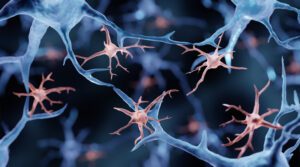
What happens when two epigenetic lenses disagree?
One of the study’s most surprising findings is that DNA methylation and 3D genome structure don’t always tell the same story about a cell. In skeletal muscle, the team found fibers that look like mature, differentiated muscle cells by their 3D genome folding, but still carry the methylation signature of muscle stem cells. The reverse almost never happens. The most plausible explanation, they explained, is that these cells are caught mid-differentiation, with 3D architecture updating first and methylation catching up.
Similar mismatches appeared in Schwann cells of the peripheral nervous system and in placental trophoblasts. The pattern suggests that different epigenetic features update on different time scales during cell state transitions—a finding that could reshape how researchers define “cell type” in adult tissues and how they track cells moving between states in disease.
The atlas also revises a long-standing assumption about “non-CG methylation,” an unusual form of methylation previously thought to be largely confined to brain cells and stem cells. The study shows that it carries cell-identity information across many human tissues, including muscle, pancreas, and immune cell types, at lower but biologically meaningful levels.
“The inconsistency between modalities may be further used to determine what cell populations are switching between each other in adult tissues and diseases, which could, for example, expand our understanding of cancer cell dynamics,” said co-first and co-corresponding author Jingtian Zhou, PhD, a former graduate researcher in Ecker’s lab who now leads his own lab at the Arc Institute.
A public resource for scientists and artificial intelligence
To make the atlas broadly usable, the team built an interactive web browser that lets researchers visualize DNA methylation and 3D chromatin contacts across every tissue, cell type, and subtype in the study. The underlying data, including 195 billion methylation measurements and 18 billion chromatin contacts, are freely available.
The resource arrives as artificial intelligence tools are increasingly used to predict the functional impact of genetic variants. Atlases like this one can provide the labeled, cell-type-resolved training data that models need to make accurate predictions—a bottleneck that has historically limited the field.
For example, in a companion paper in the same issue of Science, a study led by Bing Ren, PhD, from the New York Genome Center and Columbia University used the atlas’ cross-tissue methylation data to show that a substantial fraction of the brain’s resident immune cells, called microglia, are replaced by cells resembling blood monocytes between roughly ages 50 and 75. The finding challenges the long-held view that microglia persist from embryonic development throughout the life span.
“DNA methylation patterns are specific to each cell type and analogous to a cellular barcode,” said Ren, who also co-authored the Salk-led study. “The comprehensive cross-tissue DNA methylation atlases show that the aging microglia in the human hippocampus more closely match the monocytes from peripheral blood than microglia from young adults, providing a crucial clue for the biological identity of these cells.”
The NIH 4D Nucleome consortium, of which this study is a part, aims to extend this kind of mapping into the fourth dimension: time. A 4D understanding of the genome—how its structure and chemistry change as cells develop, age, and respond to disease—remains a major goal, and the cross-tissue atlas provides reference scaffolding that future time-course studies will build on.
Along with scientists from the Salk Institute and Arc Institute, investigators from the University of California, San Diego, Columbia University, New York Genome Center, University of California, Los Angeles, Harvard, Henan University in China, Vanderbilt University, Stanford University, Broad Institute, University of Sheffield in the U.K., Yale, University of Florida, University of Freiburg in Germany, University of Graz in Austria, and Nanchang University in China; and Chongyuan Luo also contributed to the Science paper.
The post Single-Cell Atlas Simultaneously Maps 3D Genome Architecture and DNA Methylation appeared first on GEN – Genetic Engineering and Biotechnology News.

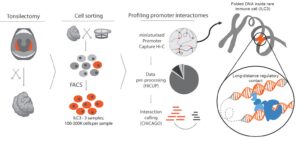
A new study published in Nature Genetics suggests that looking beyond the nearest gene may be essential for understanding how immune disease risk variants act in rare immune cells.
The paper, “High-resolution promoter interaction analysis implicates genes involved in activation of type 3 innate lymphoid cells in immune disease risk,” was co-led by researchers at Cincinnati Children’s Hospital, the MRC Laboratory of Medical Sciences, Imperial College London, along with collaborators. The team mapped long-distance DNA interactions in type 3 innate lymphoid cells, or ILC3s, a rare population of tissue-resident immune cells enriched in the gut, airways, and mucosal lymphoid tissues.
ILC3s help regulate inflammation and maintain barrier integrity, but their rarity has made them difficult to study with conventional genome-organization methods. Many approaches for mapping chromosomal contacts require millions of cells, limiting their use in cell types that may be particularly relevant to disease.
“This work opens the door to studying long-distance DNA interactions in rare immune cells,” says Stephen Waggoner, PhD, scientist in the Center of Autoimmune Genomics and Etiology at Cincinnati Children’s. “Until now, most methods required millions of cells, which limited what we could learn from the cell types most relevant to disease.”
To address that limitation, the investigators used a low-input, high-resolution Promoter Capture Hi-C (PCHi-C) approach to map promoter-anchored chromosomal contacts in primary human ILC3s, alongside CD4+ T cells. They then combined those maps with genome-wide association study data using a Bayesian framework, multiCOGS, to connect Crohn’s disease risk variants with the genes they are most likely to regulate.
![Researchers mapped long-range DNA interactions in rare tonsil-derived ILC3 immune cells to identify regulatory mechanisms linked to autoimmune disease risk. [Cincinnati Children's]](https://www.genengnews.com/wp-content/uploads/2026/08/ILC3-in-autoimmune-risk-graphic_v2-300x141.jpg)
The analysis linked Crohn’s disease risk variants to more than 100 candidate genes in ILC3s, including both known inflammatory bowel disease genes and less expected candidates. Among the latter was CLN3, a gene best known for its role in Batten disease, a rare neurodegenerative disorder.
“While some disease risk variants act on the genes nearest to them, others do not, so if we only look at the nearest gene, we may get the underlying mechanisms wrong,” says Mikhail Spivakov, PhD, head of the Functional Gene Control Research Group at MRC Laboratory of Medical Sciences. “What is more, the patterns of genome folding differ across cell types, so it is important to study the 3D connections between variants and the genes they control in the cells that are relevant for the disease.”
Follow-up experiments in a mouse ILC3-like cell line supported a possible role for CLN3 in regulating inflammatory activity. According to the paper, CLN3 was downregulated after cytokine stimulation, while increasing CLN3 expression altered stimulation-induced transcriptional programs and cytokine secretion. The findings do not establish CLN3 as a causal gene in Crohn’s disease, but they point to a potential immune-related function for a gene more commonly discussed in the context of neurodevelopmental disease.
The researchers also extended the approach to five additional autoimmune conditions, generating a catalog of ILC3-linked risk genes. These genes were enriched for regulators of the ILC3 inflammatory response identified in a CRISPR interference screen.
The next steps appear to include clarifying how CLN3 influences immune-cell function, testing whether the pathways identified in ILC3s can help explain disease mechanisms, and applying the low-input mapping strategy to other rare cell types that have been difficult to study. “Studying genetic regulation in rare cell types allows us to move closer to mechanism, not just association, and that’s essential for making genetic findings meaningful across medicine,” says Waggoner.
The post Genome Mapping Reveals Autoimmune Disease Risk Genes in Innate Lymphoid Cells appeared first on GEN – Genetic Engineering and Biotechnology News.
Uncategorized
STAT+: As Trump administration pushes court-ordered mental health care, a new report raises questions
In the last three decades, as involuntary outpatient treatment for people with serious mental health conditions like schizophrenia have expanded to almost every state, the evidence for these programs’ efficacy has remained murky.
A new evaluation of New York’s involuntary outpatient treatment program adds another wrinkle to the complex existing scientific literature on this type of care. Assisted outpatient treatment (AOT) reduced hospitalizations, arrests, and more. So did voluntary treatment. The independent authors concluded that the state should funnel more money toward voluntary services, especially after hearing about the coercion and harms that people experienced under AOT orders.
“When people are engaged in services, they have better outcomes,” said Bevin Croft, director of Human Services Research Institute’s Behavioral Health team and one of the study’s authors. “Whether or not that engagement is voluntary doesn’t seem to make a huge difference.”

In the last three decades, as involuntary outpatient treatment for people with serious mental health conditions like schizophrenia have expanded to almost every state, the evidence for these programs’ efficacy has remained murky.
A new evaluation of New York’s involuntary outpatient treatment program adds another wrinkle to the complex existing scientific literature on this type of care. Assisted outpatient treatment (AOT) reduced hospitalizations, arrests, and more. So did voluntary treatment. The independent authors concluded that the state should funnel more money toward voluntary services, especially after hearing about the coercion and harms that people experienced under AOT orders.
“When people are engaged in services, they have better outcomes,” said Bevin Croft, director of Human Services Research Institute’s Behavioral Health team and one of the study’s authors. “Whether or not that engagement is voluntary doesn’t seem to make a huge difference.”

The California Supreme Court sided with Gilead Sciences in a closely watched case brought by thousands of patients who argued the company was negligent for slow-walking development of an HIV medicine that was safer than another drug it was already selling.
In a 6-1 decision, the court overturned a state appeals court ruling two years ago that Gilead could be held liable, raising alarm in the pharmaceutical industry that drug development decisions could be influenced by the fear of legal liability.
The case began after more than 24,000 people claimed in federal and state court lawsuits that they unnecessarily suffered kidney injury and bone loss from the older drug. They maintained that Gilead cynically managed its product pipeline at the expense of people who should have been treated with a safer medicine.


Illinois’ financial crisis could bring the state to a halt
The final 6 ‘Game of Thrones’ episodes might feel like a full season
New Season 8 Walking Dead trailer flashes forward in time
Mod turns ‘Counter-Strike’ into a ‘Tekken’ clone with fighting chickens
Meet Superman’s grandfather in new trailer for Krypton
Disney’s live-action Aladdin finally finds its stars

Genome Mapping Reveals Autoimmune Disease Risk Genes in Innate Lymphoid Cells

STAT+: As Trump administration pushes court-ordered mental health care, a new report raises questions

STAT+: California Supreme Court sides with Gilead in ‘duty’ to innovate case
Combined Phage Therapy and FMT Reduces Recurrent UTIs and Antibiotic Use in First Human Case Series

STAT+: After Eli Lilly granted one man special access to obesity drug, doctors struggle to get answers

Michigan reports first two U.S. deaths in outbreak of cyclospora
Illinois’ financial crisis could bring the state to a halt
The final 6 ‘Game of Thrones’ episodes might feel like a full season
New Season 8 Walking Dead trailer flashes forward in time
Mod turns ‘Counter-Strike’ into a ‘Tekken’ clone with fighting chickens
Meet Superman’s grandfather in new trailer for Krypton
Disney’s live-action Aladdin finally finds its stars
-
Fierce Biotech4 months ago
Scientists turn pig semen extract into eye drops that kill cancer in mice
-
 Uncategorized9 years ago
These ’90s fashion trends are making a comeback in 2017
-
Endpoints News5 months ago
Novartis to pay $2B upfront to take next-gen PI3Kα inhibitor from Synnovation
-

 Uncategorized4 months ago
Novartis buys Synnovation’s PI3Kα inhibitors for $3 billion
-
Uncategorized9 years ago
According to Dior Couture, this taboo fashion accessory is back
-
Uncategorized9 years ago
Steph Curry finally got the contract he deserves from the Warriors
-
Uncategorized9 years ago
Phillies’ Aaron Altherr makes mind-boggling barehanded play
-
Uncategorized9 years ago
Uber and Lyft are finally available in all of New York State