

Uncategorized
Text Mining Culture Conditions and Glycosylation Relationships

A novel data gathering approach that relies on “text mining” can help process developers better understand the complex relationships between culture conditions and glycosylation, say the authors of new research.
A protein’s glycosylation profile—the pattern of glycan residues that bind to the core molecule during production—dictates its therapeutic function and efficacy. A reproducible profile is key to achieving quality and consistency goals.
And, for the most part, biopharma is good at using experimentation to understand how changes to culture conditions are likely to impact glycosylation processes for a given developmental manufacturing process.
Industry has been less adept at using these experimental findings to develop generalized glycosylation relationship models, says Chuming Chen, PhD, a professor at the Delaware Biotechnology Institute at the University of Delaware.
“Despite the extensive body of published work, general relationships between different cell culture conditions and glycosylation profiles remain fragmented across diverse studies. Fragmentation in our knowledge of causes of specific glycan profiles is partially a result of variables and conditions changing from one context to another, and these are not always easily tracked,” he tells GEN.
Test mining and knowledge graphs
With this in mind, Chen, colleagues, and scientists at Waters who co-authored the study, developed an automated way of gathering data from multiple sources—using a technique called “text mining”—and elucidating relationships between various conditions and glycosylation.
“First, we designed a specialized text mining pipeline to automatically extract relationships between cell culture conditions and glycosylation profiles with an 88% accuracy from unstructured scientific literature, eliminating the need for manual curation,” Chen explains.
The researchers then used a normalization strategy to reconcile inconsistencies in the extracted information to ensure consistency.
“These standardized entities and the relationships among them were used to build a unified Knowledge Graph [called the Bioprocess Knowledge Graph Database], which captures both direct and hidden, indirect associations between process parameters and therapeutic glycan outcomes.
“Finally, we developed a web interface that enables researchers to dynamically query, explore, and visualize these complex relationships, ultimately facilitating more informed decision-making in therapeutic protein manufacturing,” he says.
The approach has application in biopharmaceutical manufacturing, according to Chen, who suggests it can be used to guide early-phase process development.
“The benefit to biopharmaceutical manufacturing process researchers is to identify specific contexts and conditions that may increase or decrease the target glycan structure. Because glycan structure can sometimes impact the mechanism of action or drug-patient interactions, this can be highly useful information,” he adds.
Looking forward, Chen and his co-authors plan to expand their system to include more information that is relevant to production.
“Our final product is an interface that is queryable and visualizable. Although it has been developed as a prototype, this is automated and can be extended to incorporate more information related to biopharmaceutical manufacturing. We are currently extending our project to include deep learning and LLM for relation extraction,” he says.
The post Text Mining Culture Conditions and Glycosylation Relationships appeared first on GEN – Genetic Engineering and Biotechnology News.

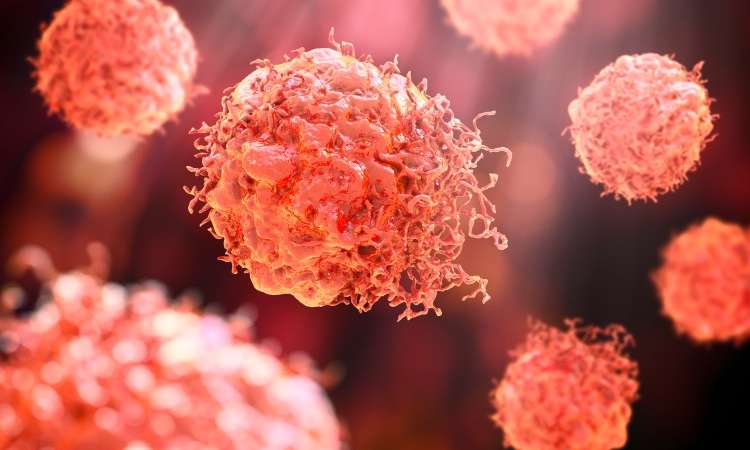

Hosted by Drug Discovery World and supported by Sartorius and BioIVT, this webinar will explore the opportunities and challenges that exist within cancer research drug discovery and development.
You will hear from Dr Sudha Rao, Chief Scientific Officer of Kazia Therapeutics, Karol Budzik, PhD, Business Development Associate at Vyriad Therapeutics and Lars van der Veen, Chief Scientific Officer at iOnctura.
Presentations will cover how cancer treatments have shifted towards reprogramming the biology driving tumour growth, immune escape and treatment resistance, the trajectory that in vivo CAR-T treatments are taking, and how challenging tumours burdened by stroma and immune-mediated resistance can be tackled.
Q&A with the speakers follows the presentations.
The post New webinar: Tackling drug discovery challenges in cancer research appeared first on Drug Discovery World (DDW).
Amid the rise of psychedelics in the mental health space, researchers have begun to explore psilocybin as a treatment for chemotherapy-induced peripheral neuropathy.
Uncategorized
New Spectrometry Technique Could Aid Formulation Development
New Spectrometry Technique Could Aid Formulation Development
A new technique combining two forms of spectrometry could help biopharmaceutical companies improve their choice of formulation buffer for antibody manufacturing by revealing how molecular forms and three-dimensional shapes of complex biologics respond to their environment. That’s the view of Christian Bleiholder, PhD, a professor at Florida State University who helped develop the technique.
According to Bleiholder, what happens structurally when a complex biological molecule, such as an antibody or viral spike protein, binds to its target is currently poorly understood.
“This is where [this approach] can help with the bioprocessing and formulation,” he says, as structural changes “can affect the lifespan [of the product] and lead to issues, such as aggregation.”
Because antibodies are complex, existing techniques tend to be powerful at different levels of complexity, he explains. Mass spectrometry is particularly powerful for distinguishing molecular composition, while structural approaches such as X-ray crystallography and cryo-electron microscopy can provide high-resolution structural information.
The challenge is understanding the link between these things within a heterogeneous sample, he says.
To overcome this, Bleiholder and his team worked with Bruker Daltonics to develop Tandem-Trapped Ion Mobility Spectrometry (Tandem-TIMS). This combines tandem ion mobility spectrometry with tandem mass spectrometry to disentangle three overlapping layers of molecular complexity: molecular form, three-dimensional shape, and binding or assembly state, he says.
He explains that, if the proteins have different structures, they can be characterized with tandem ion mobility spectrometry, and then mass spectrometry can be used to look at their molecular forms and binding states.
Going forward, Bleiholder hopes the technique can be used for formulation development but also earlier, during drug discovery of new products, such as multi-specific antibodies, to determine which molecular states are important and how those change when a biologic engages its target. He also plans to look at automating the technique.
Bleiholder spoke about using Tandem-TIMS at the Bioprocessing Summit in Boston earlier this year.
The post New Spectrometry Technique Could Aid Formulation Development appeared first on GEN – Genetic Engineering and Biotechnology News.


Novo’s Denecimig Demonstrates Tolerability After Switch from Emicizumab in FRONTIER5 Study of People with Haemophilia A as Published in the Journal of Thrombosis and Haemostasis

Animal Rule Information

Non-Compliance Letters under 505B(d)(1) of the Federal Food, Drug, and Cosmetic Act

Korea Filler Experts – 718706 – 11/03/2025

Verified Clinical Benefit | Cancer Accelerated Approvals

Novo notches up to $1.4B pact with Orbis to develop oral macrocycle cardiometabolic drugs
-
Fierce Biotech6 months ago
Scientists turn pig semen extract into eye drops that kill cancer in mice
-
Endpoints News6 months ago
Novartis to pay $2B upfront to take next-gen PI3Kα inhibitor from Synnovation
-

 Uncategorized6 months ago
Novartis buys Synnovation’s PI3Kα inhibitors for $3 billion
-
Nature Biotechnology6 months ago
Sustained nitric oxide production by engineered E. coli remodels the tumor microenvironment and potentiates immunotherapy
-

 Uncategorized5 months ago
Optical Pooled CRISPR Screen Reveals Regulators of NF-κB Dynamics in Human Cells
-
Uncategorized4 months ago
Relay’s PI3Kα inhibitor clears efficacy bar in Phase 2 vascular anomalies study
-

 STAT News – Biotech6 months ago
STAT+: In private meetings, White House works to win pharma companies’ support for drug pricing bill
-
Nature Biotechnology6 months ago
Mapping cis-regulatory mutations at scale in sorghum enables modulation of gene expression
 Scan to Read