
Uncategorized
Amazon adds Ozempic pill to same-day prescription drug kiosks


Uncategorized
Sarepta tumbles as its gene therapy sales decline further
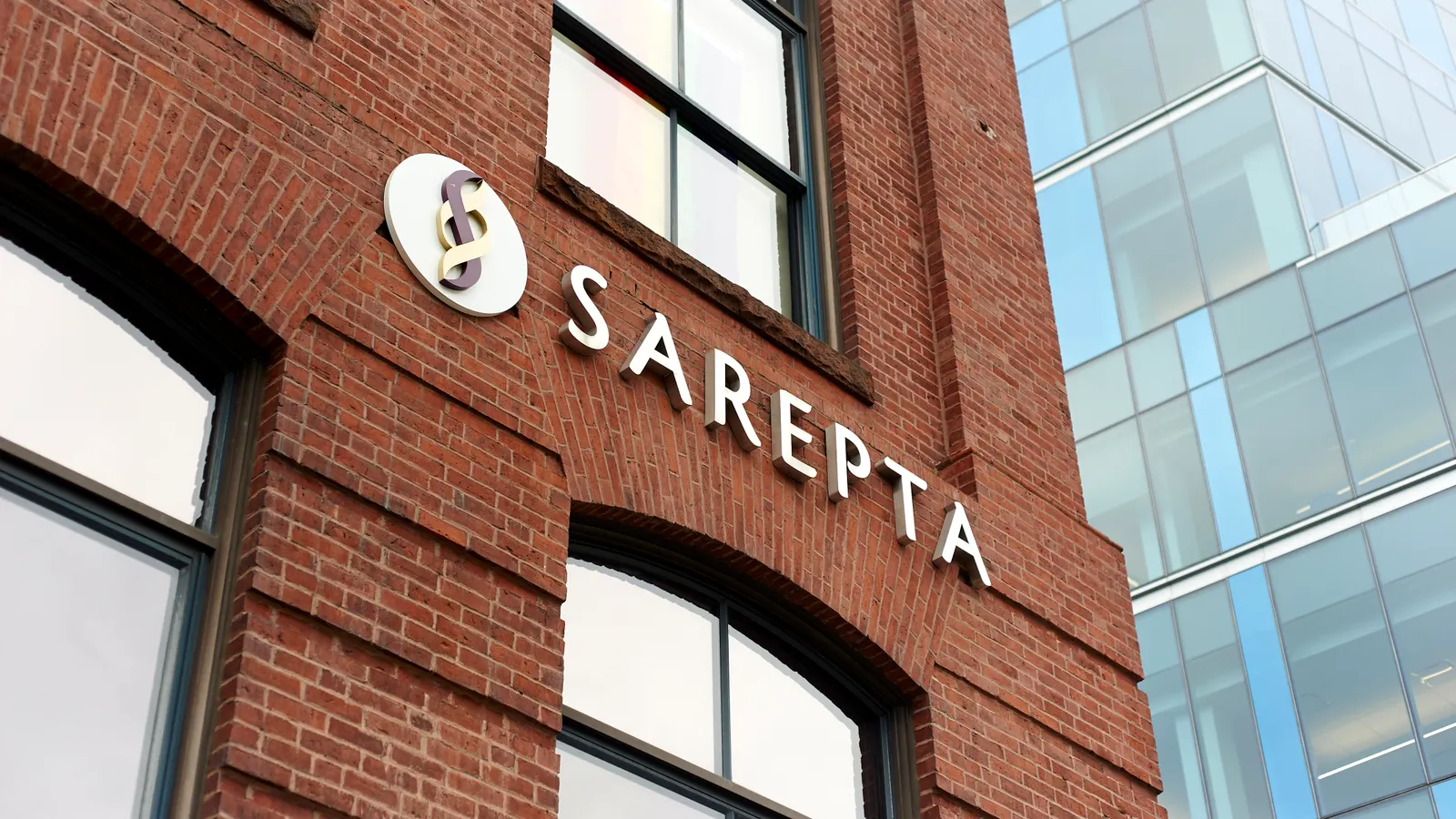
Even though Elevidys beat Wall Street expectations, analysts expect investor focus to shift toward Sarepta’s early-stage RNA drugs.
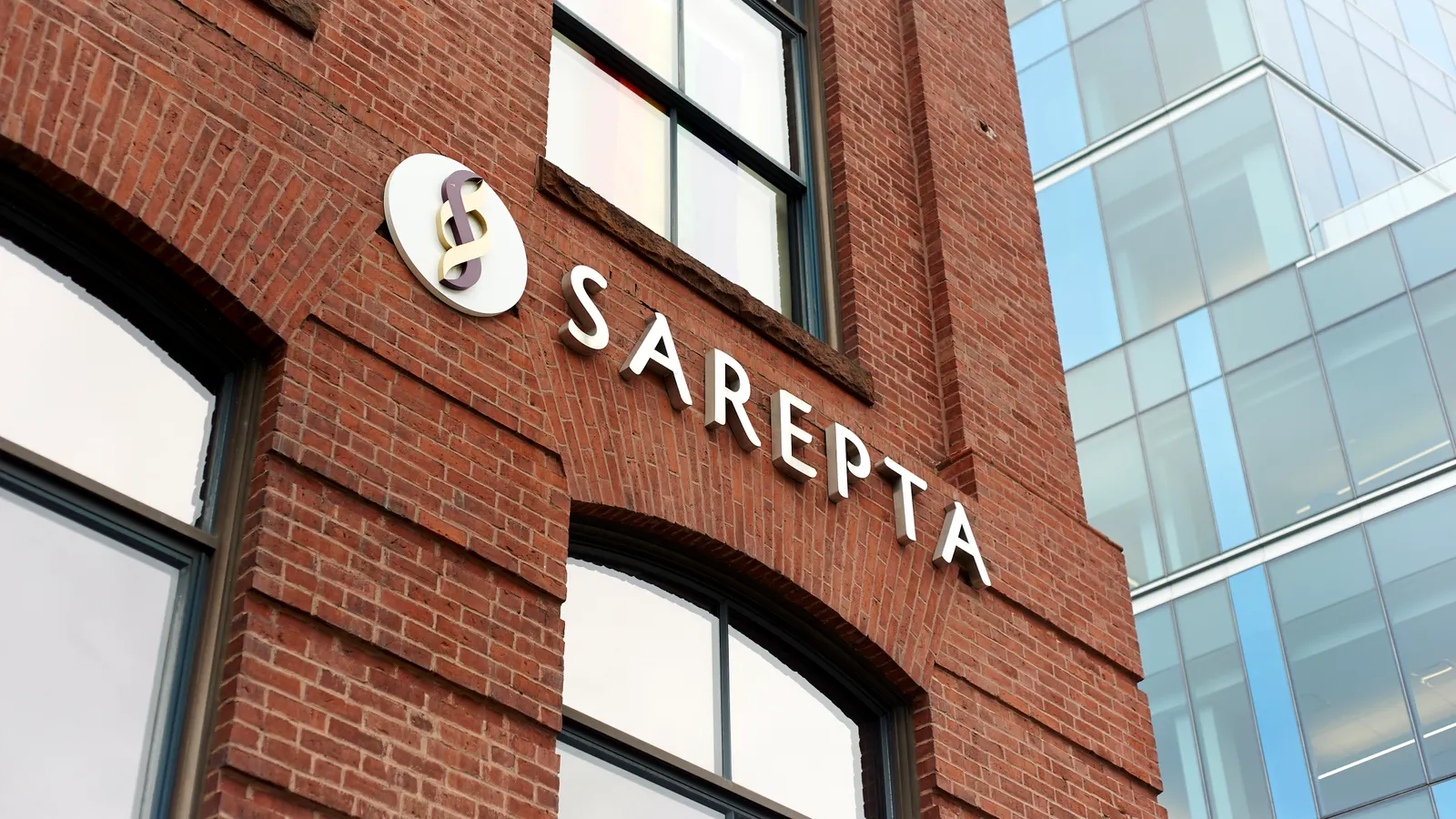
Even though Elevidys beat Wall Street expectations, analysts expect investor focus to shift toward Sarepta’s early-stage RNA drugs.
Scientists at La Jolla Institute for Immunology (LJI) say they are the first in the world to characterize human monoclonal antibodies (mAbs) capable of neutralizing measles virus (MeV). The antibodies, derived from the memory B immune cells of an individual who had previously received the MMR vaccine years previously, bind to key hemaggglutinin (H) and fusion (F) surface virus proteins, preventing viral entry into host cells.
The researchers, headed by Erica Ollmann Saphire, PhD, LJI professor, president, and CEO, say the new panel of human antibodies may form the basis for future medical therapies against measles infection. In their newly reported study the team showed that an infusion of the antibodies resulted in 500-fold lower viral load in a rodent model of measles infection.
“These antibodies work as prophylaxis—to protect from initial infection—and they work after viral exposure as a treatment to fight measles infection, said Saphire. “It may be possible to give someone an infusion of these antibodies and deliver the immune response they wish they had.”
In their study (“Human neutralizing antibodies targeting the measles virus hemagglutinin and fusion surface proteins”) reported in Cell Host & Microbe, the team concluded “Characterization of these fully human mAbs provides avenues for prophylactic or therapeutic intervention against re-emerging MeV.”
Measles virus is “… a highly transmissible paramyxovirus, can cause severe complications and death, particularly in infants and young children,” the authors wrote. “A live-attenuated vaccine derived from a genotype A MeV strain provides vaccinees with lifelong immunity and protective antibodies against all 24 MeV genotypes in circulation.”
However, in recent years, decreased vaccination rates have led to deadly measles outbreaks across the U.S. and around the world. This sharp rise in measles cases is especially dangerous for the millions of people who cannot receive a measles vaccine. While the measles vaccine is incredibly safe and effective, it does contain a live, weakened virus. This means that people who have compromised immune systems, such as those who are pregnant or receiving chemotherapy, including children, cannot receive the vaccine. The very young are also at risk. Infants must wait until they are 12 months old to be vaccinated, and most children in the U.S. aren’t fully vaccinated against measles until they are six years of age.
“There are a growing number of people that can’t be vaccinated or haven’t been fully vaccinated,” said Saphire. “The very same people who can’t be vaccinated or can’t be vaccinated yet, are the same people for whom a measles virus infection would be the most severe—or be lethal.”
Until recently, enough people were vaccinated against measles virus that the risk of exposure for this unvaccinated group was very low. Unfortunately, that community protection—herd immunity, is no longer. LJI scientists are on a mission to find treatment options for the most vulnerable.
There are currently no measles-specific therapies to help patients. The new study shows that monoclonal antibody therapies may may be a feasible option. Monoclonal antibody treatments contain many copies of a neutralizing antibody, and are widely used for a variety of infectious diseases. Even infants receive monoclonal antibody therapies each year to prevent respiratory syncytial virus (RSV).
To design a monoclonal antibody treatment for measles, researchers need a clear picture of how human antibodies fight the virus. However, as they noted, “Despite the global presence of MeV and widespread use of the vaccine, few studies have mapped the human antibody response. We do not yet know how human antibodies, from either measles vaccination or natural infection, recognize and protect against the virus.”
Saphire and her colleagues began by harnessing an imaging technique, cryo-electron microscopy (cryo-EM), to capture the first-ever glimpses of how antibodies bind to the measles virus. They started by examining mouse antibodies, and published that work in a recent paper. That initial study showed where measles virus is vulnerable to antibody attack. The mouse antibodies, the researchers showed, latched onto the virus fusion protein, to block viral entry into a cell.
To find out whether human antibodies could do the same thing, the researchers analyzed blood from a clinical research volunteer. “We evaluated 15 MMR-vaccinated donors for their polyclonal MeV responses to identify individuals with vaccine-induced, protective, circulating antibodies,” they explained. The 56-year-old female volunteer they selected had been vaccinated against measles many years before, and already had antibodies ready to fight measles virus. This individual “… demonstrated the highest polyclonal response and the most H- and F-reactive memory B cells.”
From the one blood sample, the LJI scientists isolated antibodies that bind to the measles virus fusion protein, along with other antibodies that bind to the virus hemagglutinin protein. They then captured 3D images of these antibodies bound together with the measles virus. “We found that these antibodies are exceptionally potent,” said study first author, LJI Instructor Dawid Zyla, PhD. “Two orders of magnitude better than comparable molecules reported at conferences.”
Measles virus is a shape-shifting virus. When it meets a human cell, it unfolds to reveal viral machinery that fuses with the host cell membrane. The new study shows that antibodies targeting the fusion protein work by locking the protein in place, leaving the virus unable to shape shift and infect a host cell. The next step was to test these antibodies in a preclinical animal model. Study collaborators at The Ohio State University carried out key experiments in cotton rats. They found that all four lead antibodies reduced viral load when given either before measles exposure or within 24 to 48 hours after measles virus infection. One antibody, designated 3A12, which binds to a site on the F protein, rendered the circulating virus actually undetectable.
While more work needs to be done, the researchers see these antibodies as promising tools in the fight against measles. Their new images of the antibody structures provide the materials needed to make the world’s first before- or after exposure treatment for measles virus. “Now we know what we’re aiming for, and we have the antibodies we need,” said Saphire.
In their paper the authors stated, “The protective mAbs identified here target four distinct, non-competing epitopes, and may be combined as cocktail therapies to enhance treatment potency, maintain durable protection, and reduce the risk of viral escape.… these human mAbs themselves, which recognize conserved sites and inhibit measles by complementary mechanisms, represent a basis to develop a treatment that is urgently needed as measles virus infections surge globally.”
The post Human Antibodies Identified That Have Potential To Prevent and Treat Measles Virus appeared first on GEN – Genetic Engineering and Biotechnology News.


Alex Zevin, PhD
Director, Genomics Shared Resource
Fred Hutchinson Cancer Center
Panelist
Alex Zevin, PhD
Alex Zevin, PhD, began serving as the director of the Genomics Shared Resource at Fred Hutch in December 2022. Before that, he was a research scientist at ArcherDX where he developed NGS in vitro diagnostic devices including several clinical trial assays and an approved companion diagnostic. He also previously worked at InBios International and developed a rapid test for detection of anthrax.
Zevin has a bachelor’s degree in biochemistry from Colorado State University and a PhD in molecular biology from Arizona State University where he developed methods to characterize bacterial communities in engineered systems and conducted postdoctoral research at the University of Washington studying host-microbe interactions in non-human primate models.
- Time:
Digital PCR has emerged as a powerful approach for precise nucleic acid quantification, but it is constrained by limited dynamic range and the difficulty of multiplexing. Newer platforms, like Countable Labs’ single-molecule counting PCR, address both by offering precise quantification across a broad range of target abundances while simplifying multiplexing through single-molecule isolation and fluorescent imaging across millions of spatially fixed compartments.
In this GEN webinar, Alex Zevin, PhD, director of Fred Hutchinson Cancer Center’s Genomics Shared Resource, draws on hands-on experience with managing a suite of nucleic acid quantification technologies, including standard qPCR, digital droplet PCR, and Countable PCR, to share practical guidance for labs considering or expanding their PCR quantification capabilities. Key insights from the webinar include:
- How single-molecule counting differs from conventional digital PCR—and the sensitivity, precision, and multiplexing advantages it enables
- Real-world applications suited to single-molecule counting PCR, including validating NGS results, replacing or supplementing existing assays, and generating clinically actionable data
- Common challenges for converting qPCR and dPCR assays to single-molecule counting PCR, and how to overcome them
A live Q&A session will follow the presentations offering you a chance to pose questions to our expert panelist.
Produced with support from:

The post Digital PCR Playbook: Applications and Challenges Across Research and Clinical Labs appeared first on GEN – Genetic Engineering and Biotechnology News.


Illinois’ financial crisis could bring the state to a halt
The final 6 ‘Game of Thrones’ episodes might feel like a full season
New Season 8 Walking Dead trailer flashes forward in time
Mod turns ‘Counter-Strike’ into a ‘Tekken’ clone with fighting chickens
Meet Superman’s grandfather in new trailer for Krypton
Disney’s live-action Aladdin finally finds its stars

Sarepta tumbles as its gene therapy sales decline further
Human Antibodies Identified That Have Potential To Prevent and Treat Measles Virus

Digital PCR Playbook: Applications and Challenges Across Research and Clinical Labs

Seaport’s IPO adventure, obesity pill battles, and Makary’s troubles

Science is becoming less disruptive. Is an aging workforce to blame?
FDA pilots AI-informed one-day facility inspections
Illinois’ financial crisis could bring the state to a halt
The final 6 ‘Game of Thrones’ episodes might feel like a full season
New Season 8 Walking Dead trailer flashes forward in time
Mod turns ‘Counter-Strike’ into a ‘Tekken’ clone with fighting chickens
Meet Superman’s grandfather in new trailer for Krypton
Disney’s live-action Aladdin finally finds its stars
-
 Uncategorized9 years ago
These ’90s fashion trends are making a comeback in 2017
-
Contributors9 years ago
The final 6 ‘Game of Thrones’ episodes might feel like a full season
-
Uncategorized9 years ago
According to Dior Couture, this taboo fashion accessory is back
-
Uncategorized9 years ago
Uber and Lyft are finally available in all of New York State
-
Uncategorized9 years ago
Phillies’ Aaron Altherr makes mind-boggling barehanded play
-
Uncategorized9 years ago
The old and New Edition cast comes together to perform
-
Uncategorized9 years ago
Steph Curry finally got the contract he deserves from the Warriors
-
Uncategorized9 years ago
Disney’s live-action Aladdin finally finds its stars