
Uncategorized
STAT+: Will bargain-basement telehealth visits help pharma drive drug scripts?
The little pink pill recently got a retail boost. Addyi, a drug that treats low libido in premenopausal women, has been on the market for more than a decade after a controversial approval. But in December the Food and Drug Administration expanded its use, approving the daily drug for all women under 65.
More women than ever now could qualify for the pill — and its maker, Sprout Pharmaceuticals, made it easy for them to find out. On its Instagram account, in Facebook ads, and on its website, Sprout shared how women could get a quick consult for an Addyi prescription: With a special code, PINKPILL, they could get a telehealth visit for just $10.
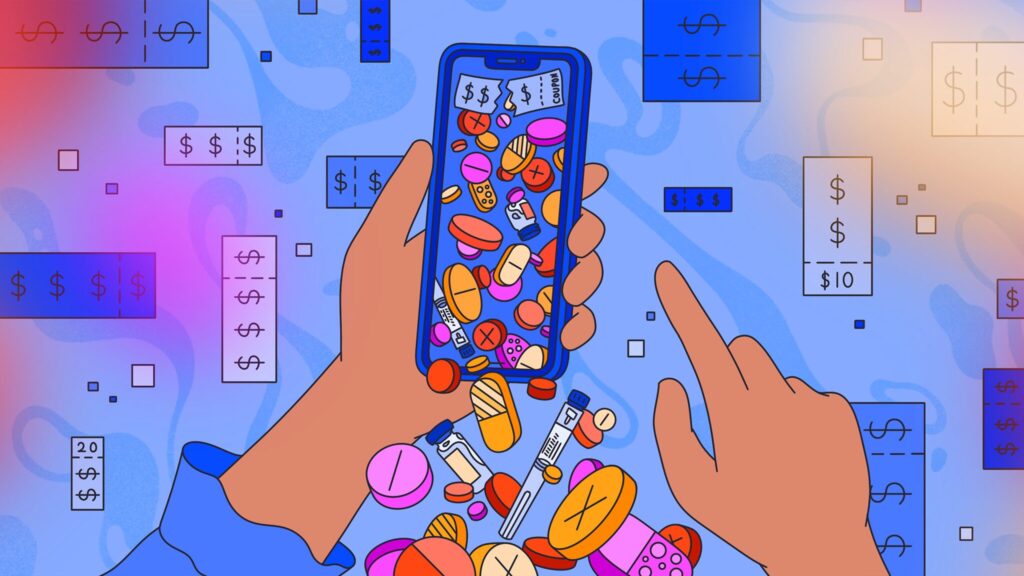
Drugmakers have long used discount coupons to encourage patients to use their high-cost medications. Now, coupons can influence not just a drug’s out-of-pocket price, but the cost of consulting with a clinician who can prescribe it.
For Addyi, those consultations and discounts are managed by a telehealth company called Prescribery — one of several that work with drugmakers to help patients “talk to a doctor now” about their products. “We give them the coupon codes that they can use, and they get to market it to drive additional business,” said Prescribery’s CEO and CFO Ross Pope. “That’s sort of our arrangement, where they’re driving more business, both for them and for us.”
As links between pharmaceutical companies and telehealth providers grow, health policy experts and legislators have sounded alarms. Telehealth companies can receive hundreds of thousands of dollars in pharma fees a year. Critics have questioned whether those partnerships break federal laws prohibiting financial kickbacks to induce prescribing, highlighting their potential to promote uncoordinated care and overprescription of unnecessary, and often expensive, branded medications.
The same questions, they say, apply to coupons extended for a drug-specific telehealth visit. “These discount structures are one more piece of the same puzzle,” said Daniel Eisenkraft Klein, a postdoctoral fellow at the Program on Regulation, Therapeutics, and Law at Brigham and Women’s Hospital and Harvard Medical School. “It’s this big financial architecture that’s every step of the way designed to move patients toward the specific drug cheaply and quickly.”

The little pink pill recently got a retail boost. Addyi, a drug that treats low libido in premenopausal women, has been on the market for more than a decade after a controversial approval. But in December the Food and Drug Administration expanded its use, approving the daily drug for all women under 65.
More women than ever now could qualify for the pill — and its maker, Sprout Pharmaceuticals, made it easy for them to find out. On its Instagram account, in Facebook ads, and on its website, Sprout shared how women could get a quick consult for an Addyi prescription: With a special code, PINKPILL, they could get a telehealth visit for just $10.
Drugmakers have long used discount coupons to encourage patients to use their high-cost medications. Now, coupons can influence not just a drug’s out-of-pocket price, but the cost of consulting with a clinician who can prescribe it.
For Addyi, those consultations and discounts are managed by a telehealth company called Prescribery — one of several that work with drugmakers to help patients “talk to a doctor now” about their products. “We give them the coupon codes that they can use, and they get to market it to drive additional business,” said Prescribery’s CEO and CFO Ross Pope. “That’s sort of our arrangement, where they’re driving more business, both for them and for us.”
As links between pharmaceutical companies and telehealth providers grow, health policy experts and legislators have sounded alarms. Telehealth companies can receive hundreds of thousands of dollars in pharma fees a year. Critics have questioned whether those partnerships break federal laws prohibiting financial kickbacks to induce prescribing, highlighting their potential to promote uncoordinated care and overprescription of unnecessary, and often expensive, branded medications.
The same questions, they say, apply to coupons extended for a drug-specific telehealth visit. “These discount structures are one more piece of the same puzzle,” said Daniel Eisenkraft Klein, a postdoctoral fellow at the Program on Regulation, Therapeutics, and Law at Brigham and Women’s Hospital and Harvard Medical School. “It’s this big financial architecture that’s every step of the way designed to move patients toward the specific drug cheaply and quickly.”

Uncategorized
Rezdiffra is exceeding Wall Street’s expectations as the MASH market takes shape
Rezdiffra is exceeding Wall Street’s expectations as the MASH market takes shape
It seems there’s room for two in the MASH market.
When Novo Nordisk’s blockbuster weight loss drug Wegovy won approval in August 2025 to treat the fatty liver disease, some investors thought it would put … Read More
Uncategorized
STAT+: Trump pivots on kratom derivative 7-OH, floating approval for some forms
President Trump on Monday suggested the federal government could move to approve some forms of 7-OH, an opioid derived from the naturally occurring kratom plant.
“We’re looking very seriously at natural 7-OH and getting that approved,” Trump said.
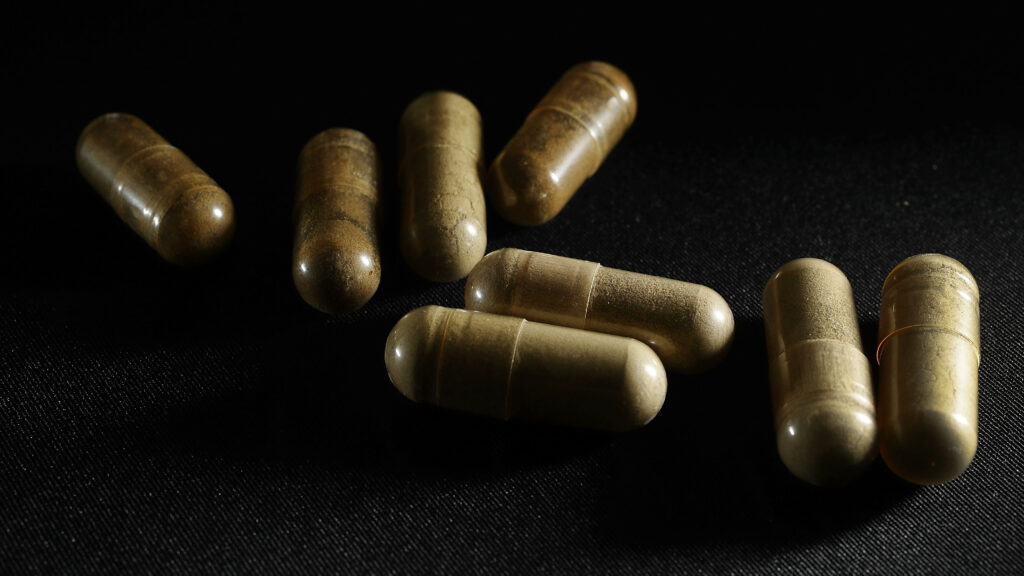
It was not clear what Trump meant by “natural 7-OH.” Small amounts of the compound, shorthand for 7-hydroxymitragynine, occur naturally in kratom, which is increasingly used as a recreational drug and an unapproved pain treatment. While kratom is significantly less dangerous than potent synthetic opioids like fentanyl or prescription pain pills, it can still cause addiction and overdose.
President Trump on Monday suggested the federal government could move to approve some forms of 7-OH, an opioid derived from the naturally occurring kratom plant.
“We’re looking very seriously at natural 7-OH and getting that approved,” Trump said.
It was not clear what Trump meant by “natural 7-OH.” Small amounts of the compound, shorthand for 7-hydroxymitragynine, occur naturally in kratom, which is increasingly used as a recreational drug and an unapproved pain treatment. While kratom is significantly less dangerous than potent synthetic opioids like fentanyl or prescription pain pills, it can still cause addiction and overdose.
Uncategorized
No FDA permission, no problem: New flavored vape policy worries experts
The tobacco industry chalked up another win on Friday with a new policy announced by the Food and Drug Administration that gives what one expert called a “get-out-of-jail-free card” to some manufacturers illegally selling e-cigarettes and nicotine pouches.
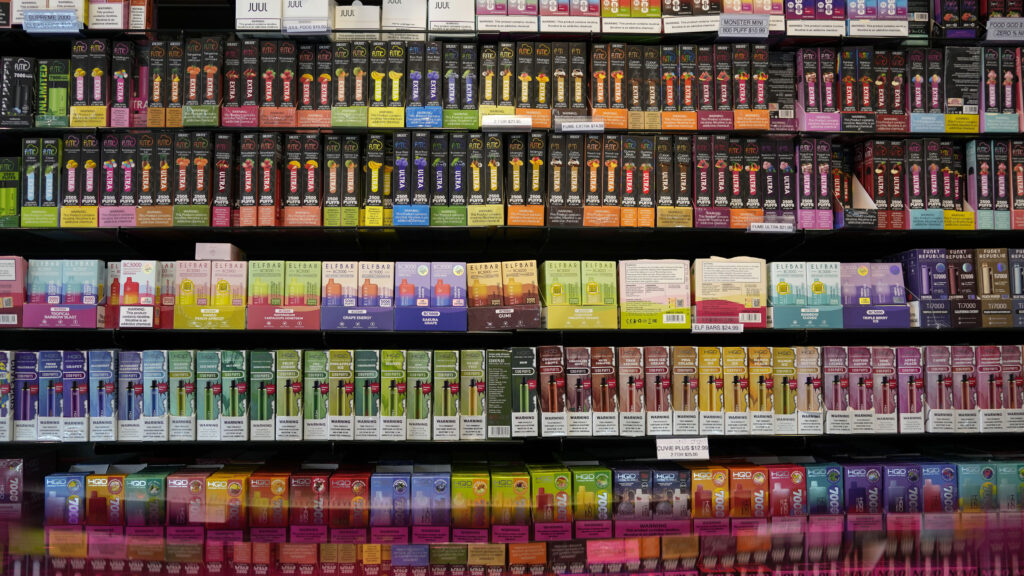
The FDA has a significant backlog of applications from the makers of vapes and nicotine pouches seeking authorization to sell their products. Some have gone ahead and put their products on sale anyway while awaiting word from the agency. In the new guidance, first reported by the New York Times, the agency said it will not prioritize cracking down on illegal sales under two conditions.
The tobacco industry chalked up another win on Friday with a new policy announced by the Food and Drug Administration that gives what one expert called a “get-out-of-jail-free card” to some manufacturers illegally selling e-cigarettes and nicotine pouches.
The FDA has a significant backlog of applications from the makers of vapes and nicotine pouches seeking authorization to sell their products. Some have gone ahead and put their products on sale anyway while awaiting word from the agency. In the new guidance, first reported by the New York Times, the agency said it will not prioritize cracking down on illegal sales under two conditions.


Illinois’ financial crisis could bring the state to a halt
The final 6 ‘Game of Thrones’ episodes might feel like a full season
New Season 8 Walking Dead trailer flashes forward in time
Mod turns ‘Counter-Strike’ into a ‘Tekken’ clone with fighting chickens
Meet Superman’s grandfather in new trailer for Krypton
Disney’s live-action Aladdin finally finds its stars
Rezdiffra is exceeding Wall Street’s expectations as the MASH market takes shape

STAT+: Trump pivots on kratom derivative 7-OH, floating approval for some forms

No FDA permission, no problem: New flavored vape policy worries experts

GSK cuts deal with Sino to broaden reach of hepatitis B drug
Daiichi eyes almost $15B in oncology sales by 2030 in ADC franchise push
New home for Novo’s Parkinson’s cell therapy; GSK turns to China for hep B drug
Illinois’ financial crisis could bring the state to a halt
The final 6 ‘Game of Thrones’ episodes might feel like a full season
New Season 8 Walking Dead trailer flashes forward in time
Mod turns ‘Counter-Strike’ into a ‘Tekken’ clone with fighting chickens
Meet Superman’s grandfather in new trailer for Krypton
Disney’s live-action Aladdin finally finds its stars
-
 Uncategorized9 years ago
These ’90s fashion trends are making a comeback in 2017
-
Uncategorized9 years ago
According to Dior Couture, this taboo fashion accessory is back
-
Contributors9 years ago
The final 6 ‘Game of Thrones’ episodes might feel like a full season
-
Uncategorized9 years ago
Uber and Lyft are finally available in all of New York State
-
Uncategorized9 years ago
Phillies’ Aaron Altherr makes mind-boggling barehanded play
-
Uncategorized9 years ago
The old and New Edition cast comes together to perform
-
Uncategorized9 years ago
Steph Curry finally got the contract he deserves from the Warriors
-
Uncategorized9 years ago
Disney’s live-action Aladdin finally finds its stars